African Art
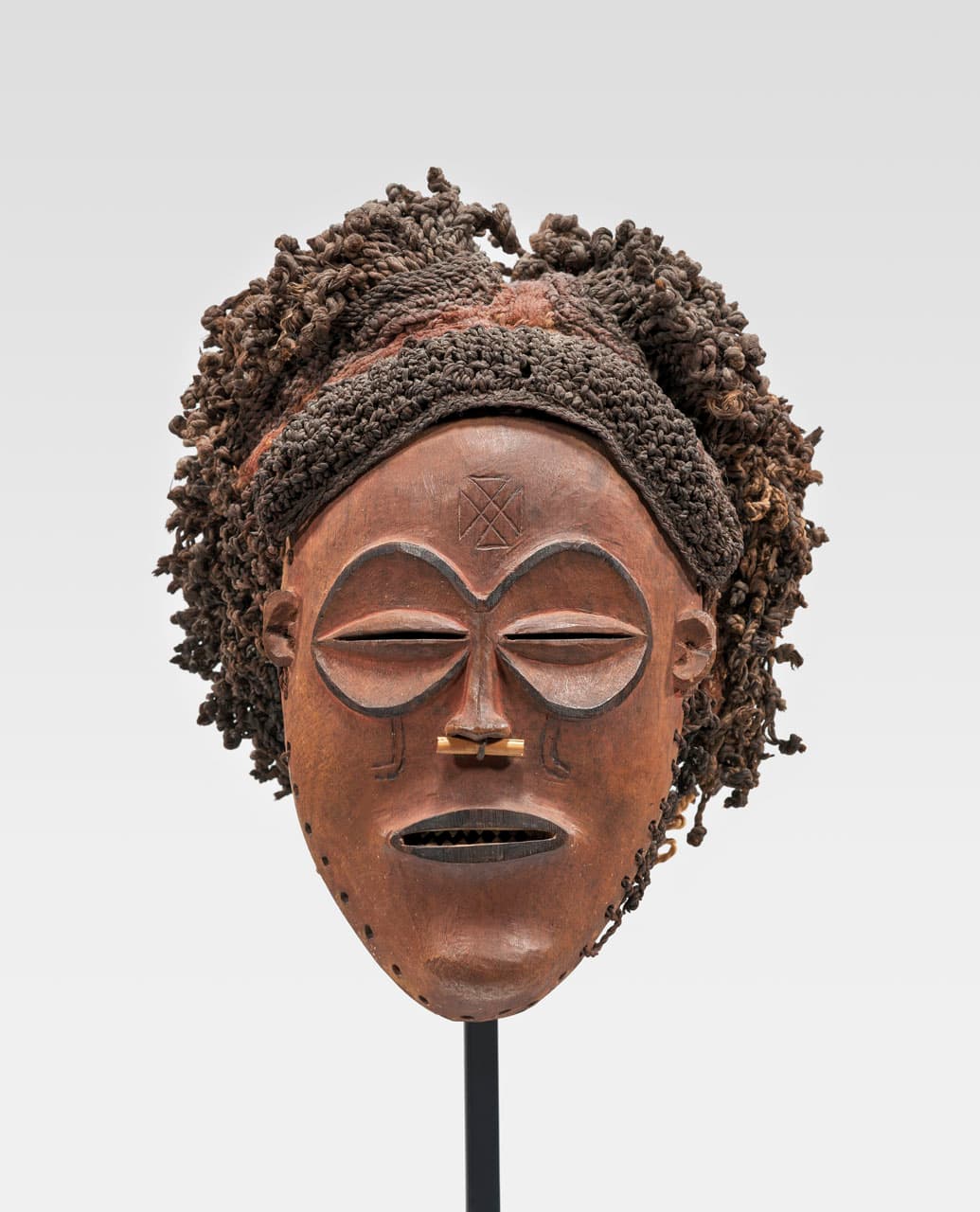
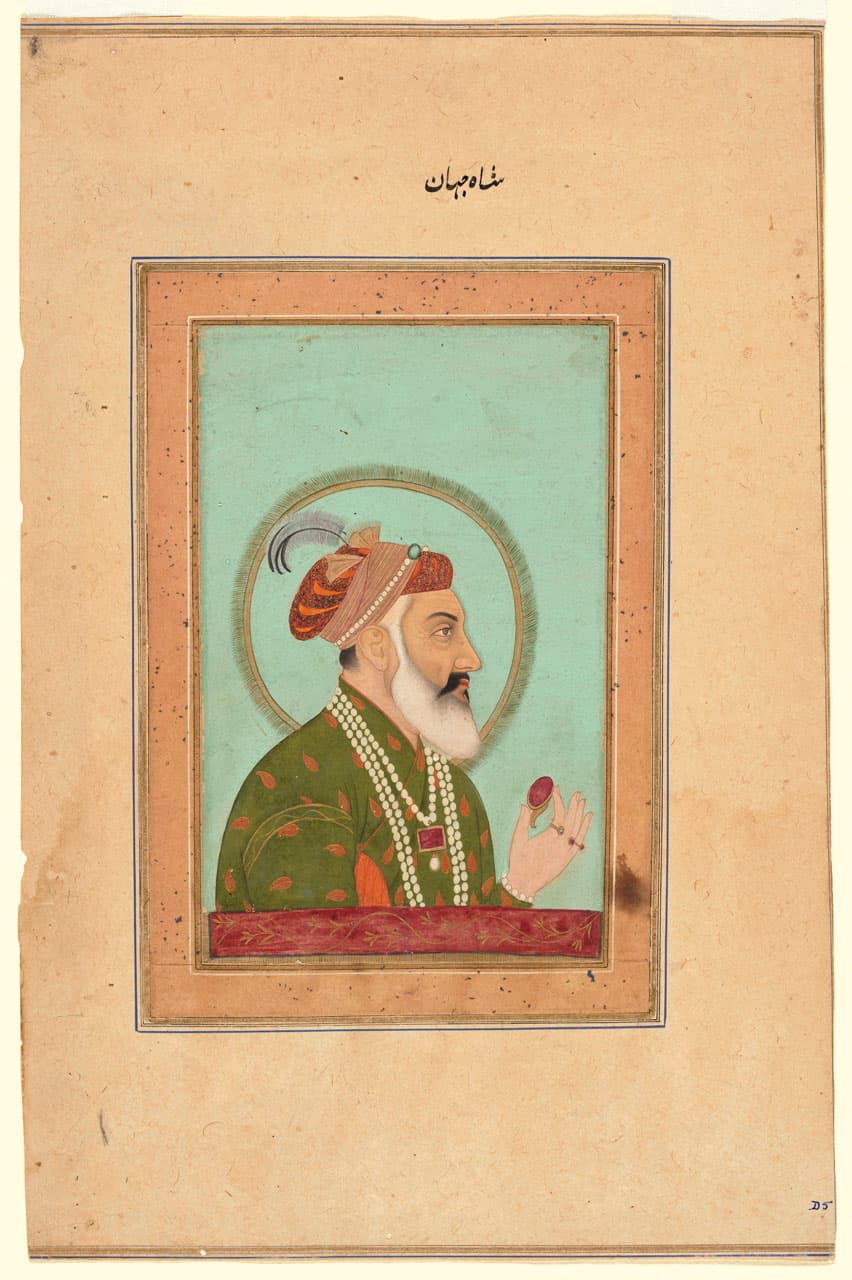
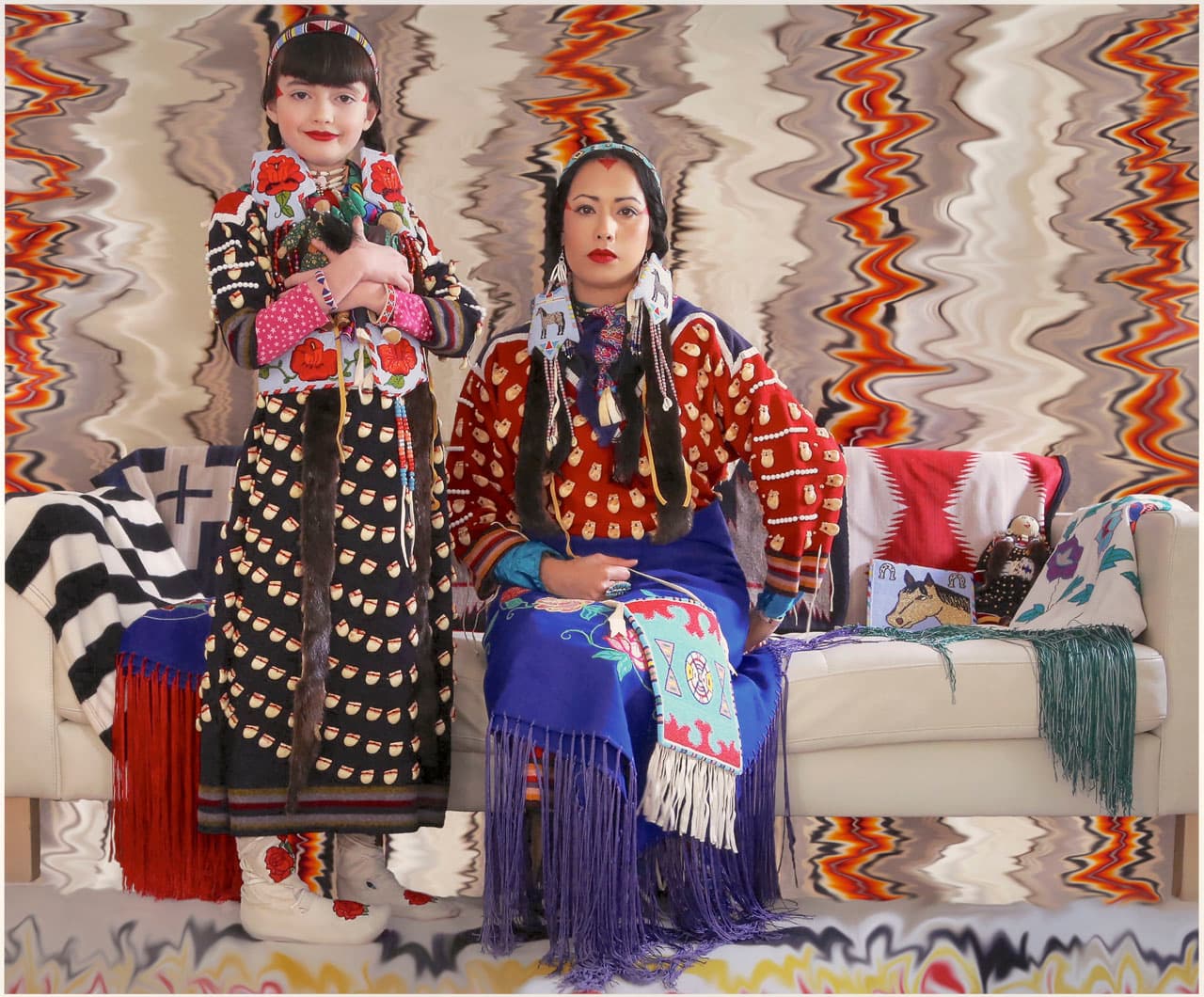
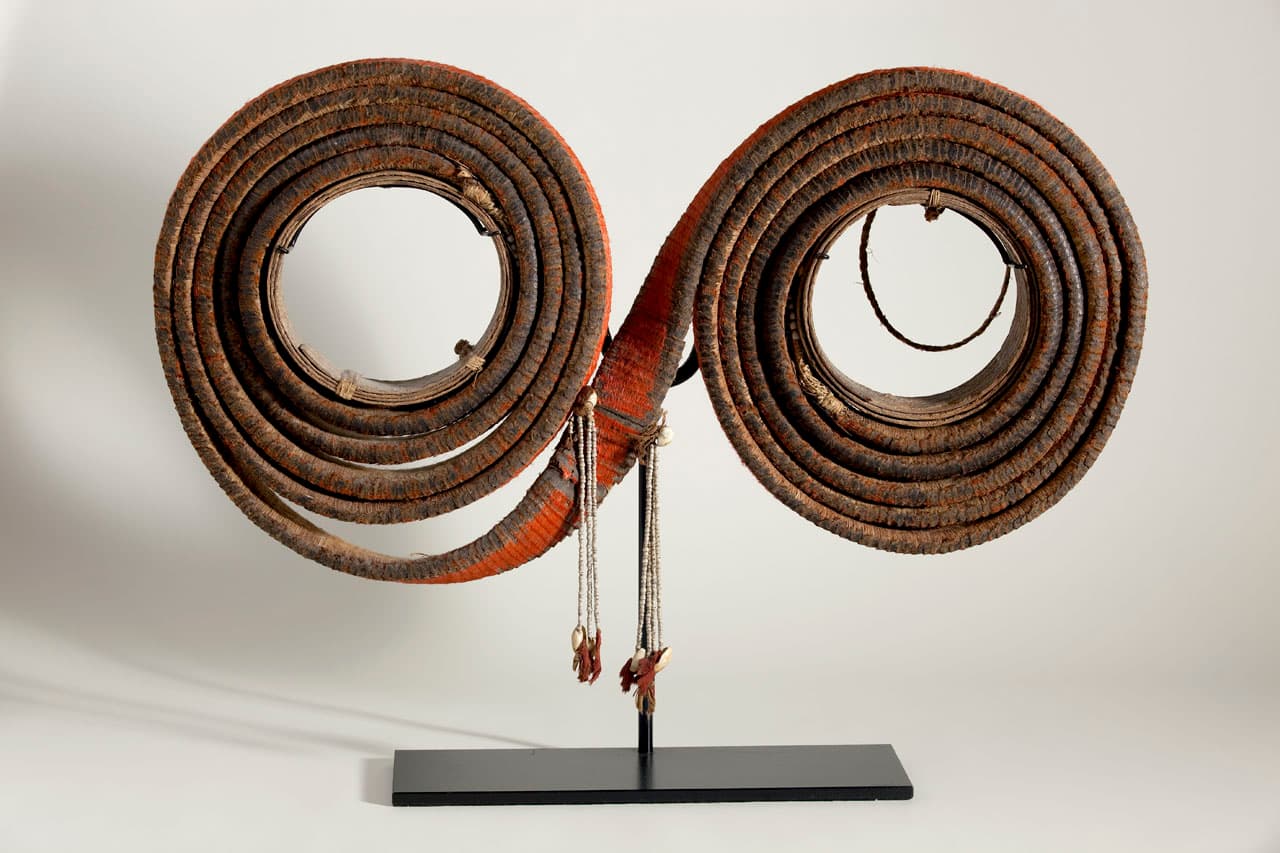
The Crocker’s collection of sculpture, pottery, textiles, and paintings from Africa, Oceania, and the Americas, brings together work form many geographic and cultural regions. The collection spans four continents and features a wide array of objects that demonstrate the craftsmanship, histories, and rich traditions of these artists and cultures.
About the African Art Collection
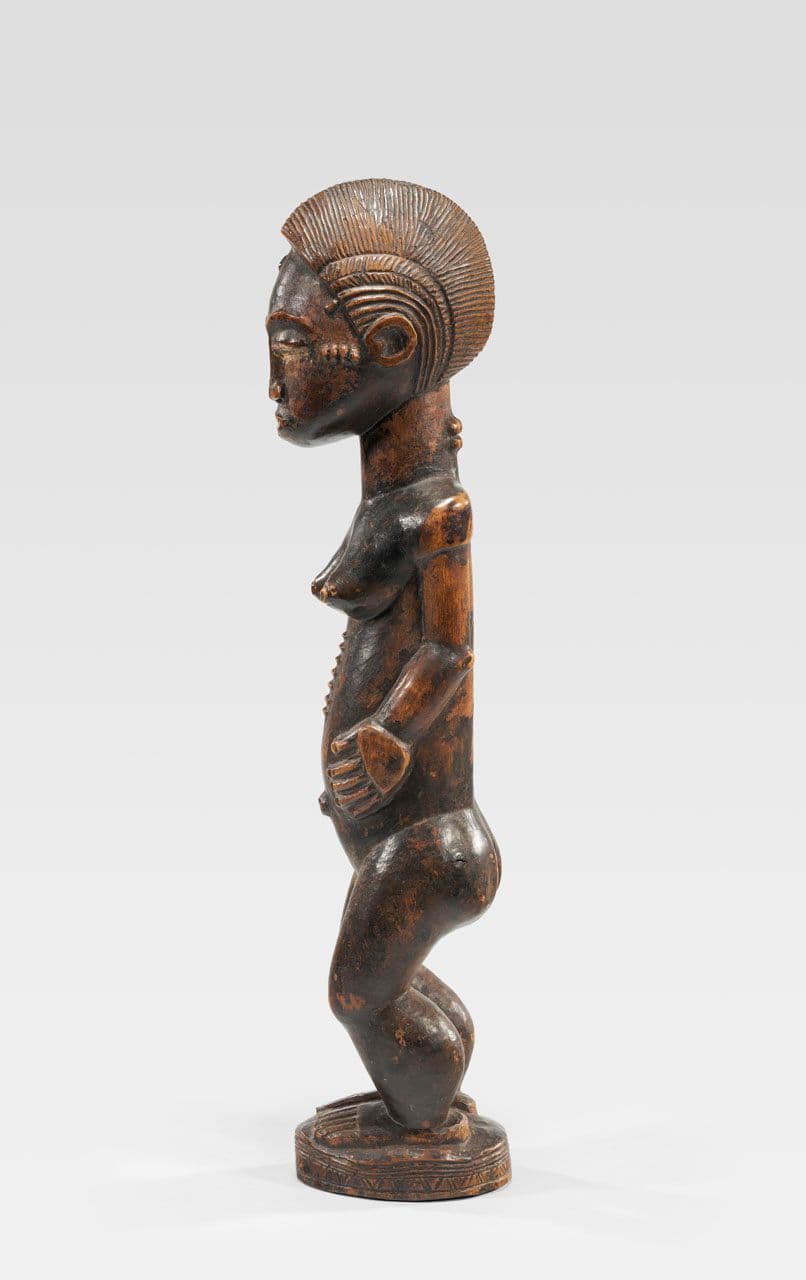
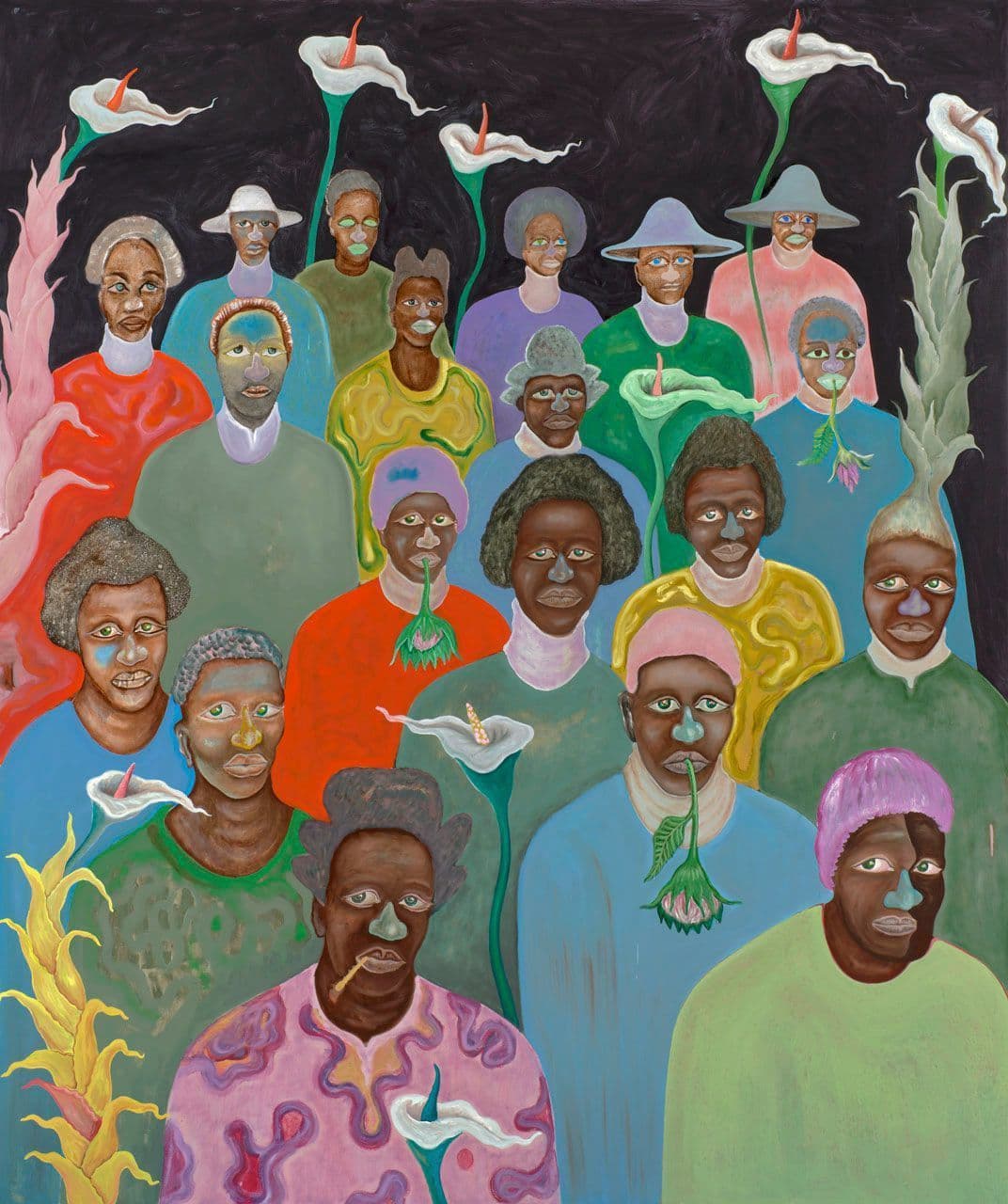
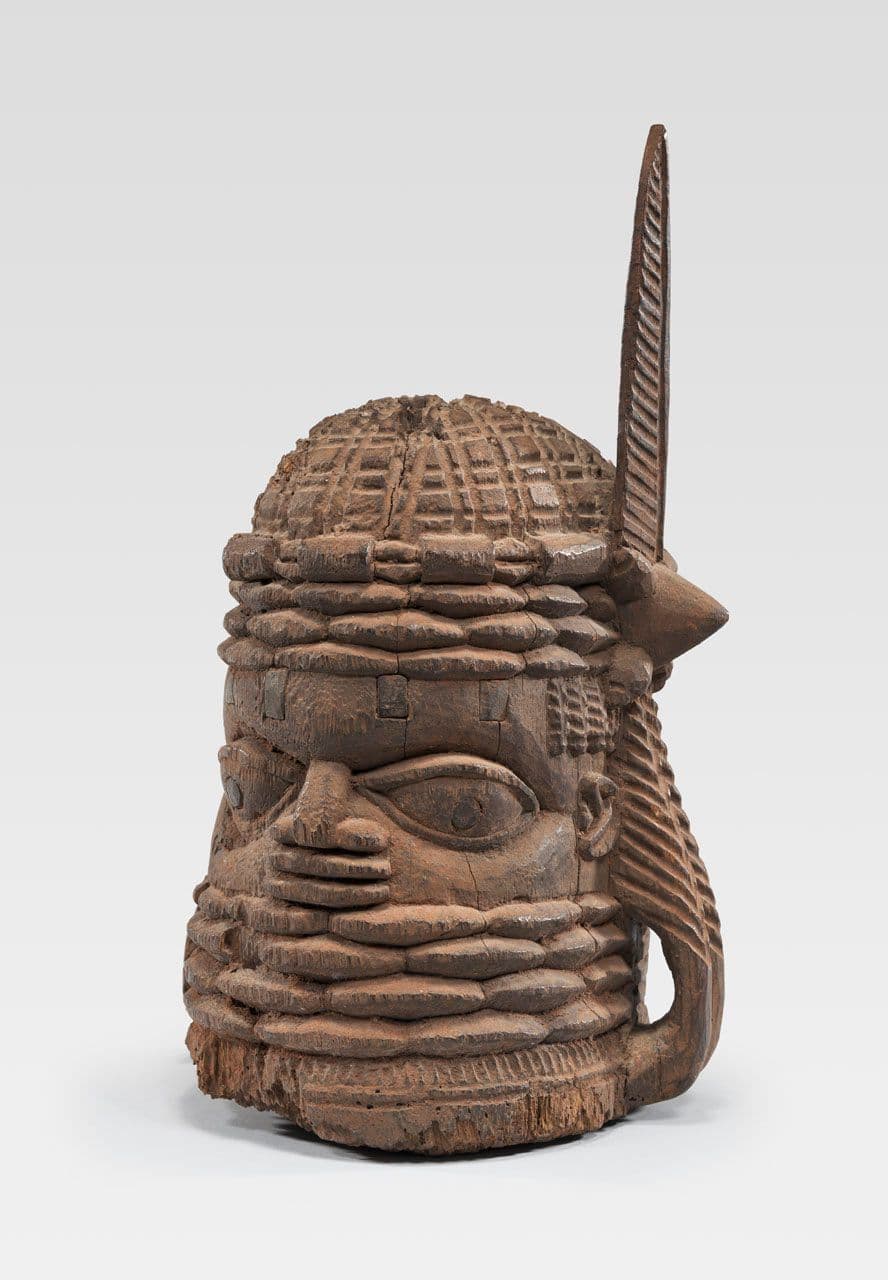
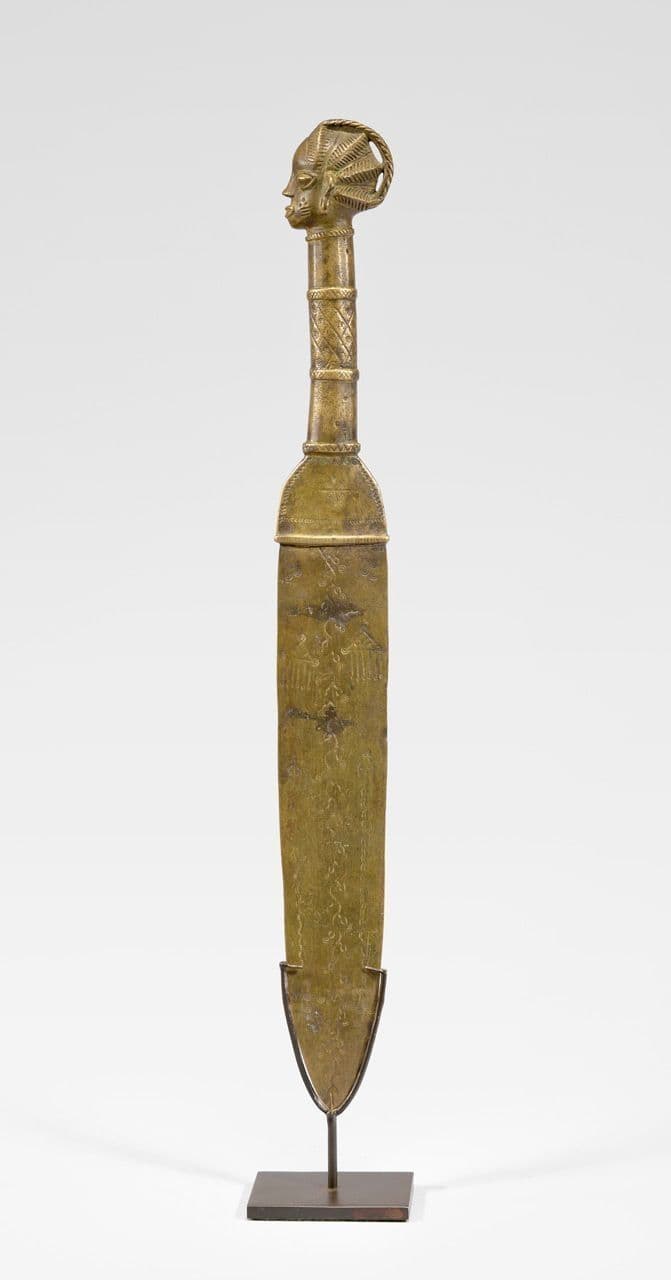
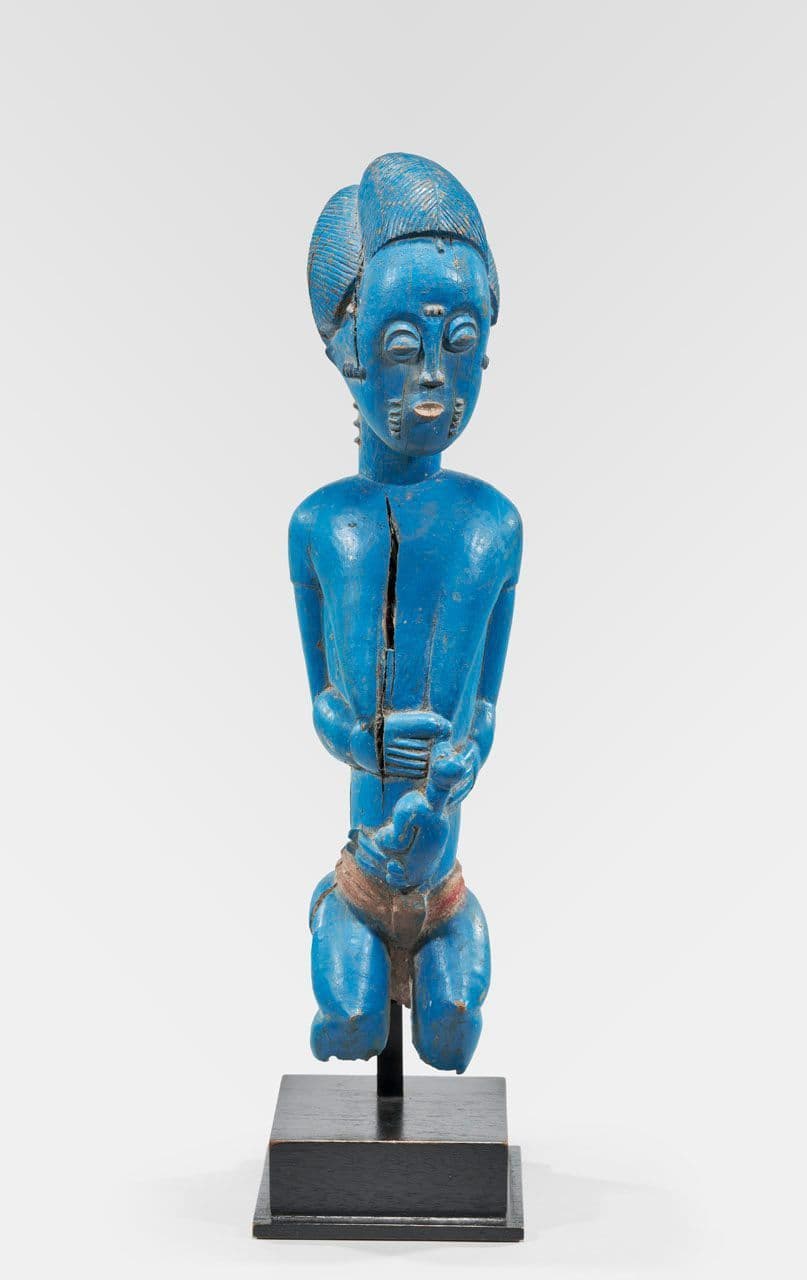
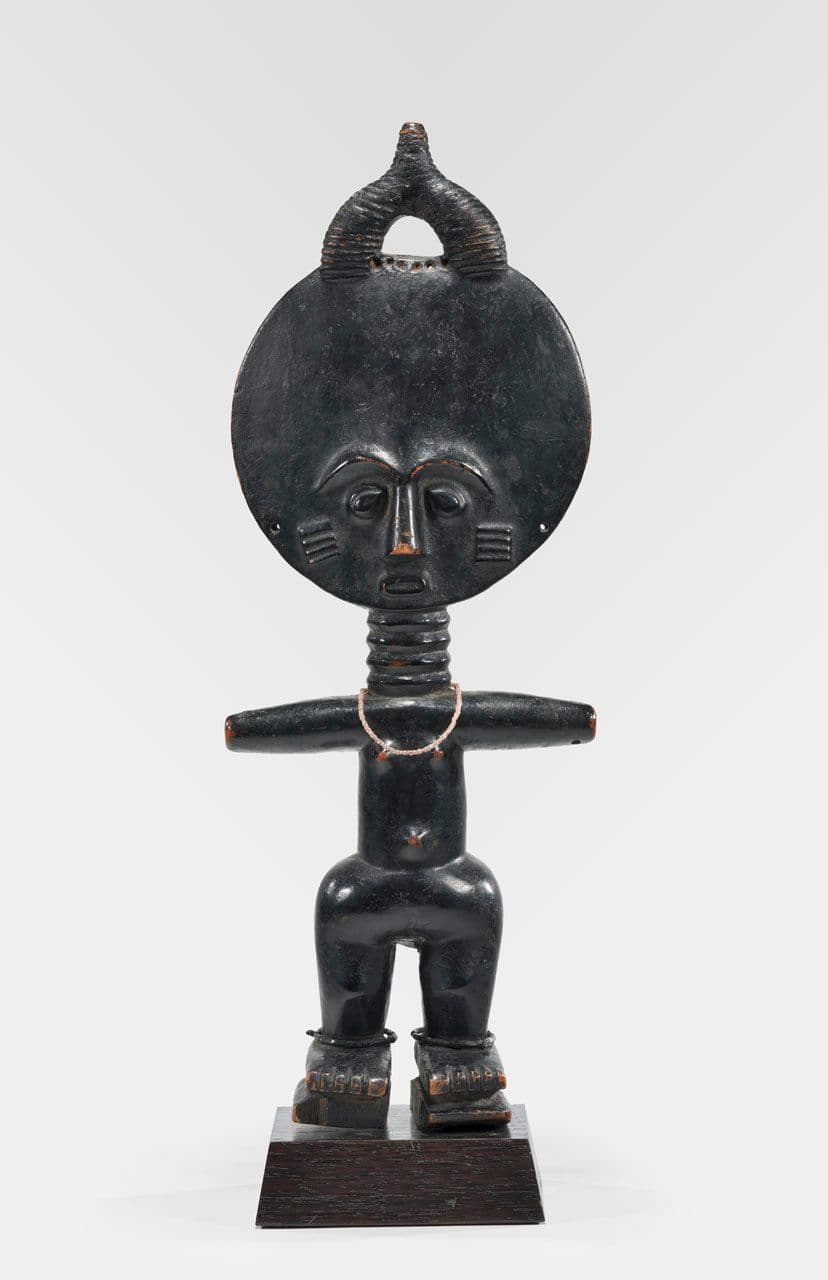
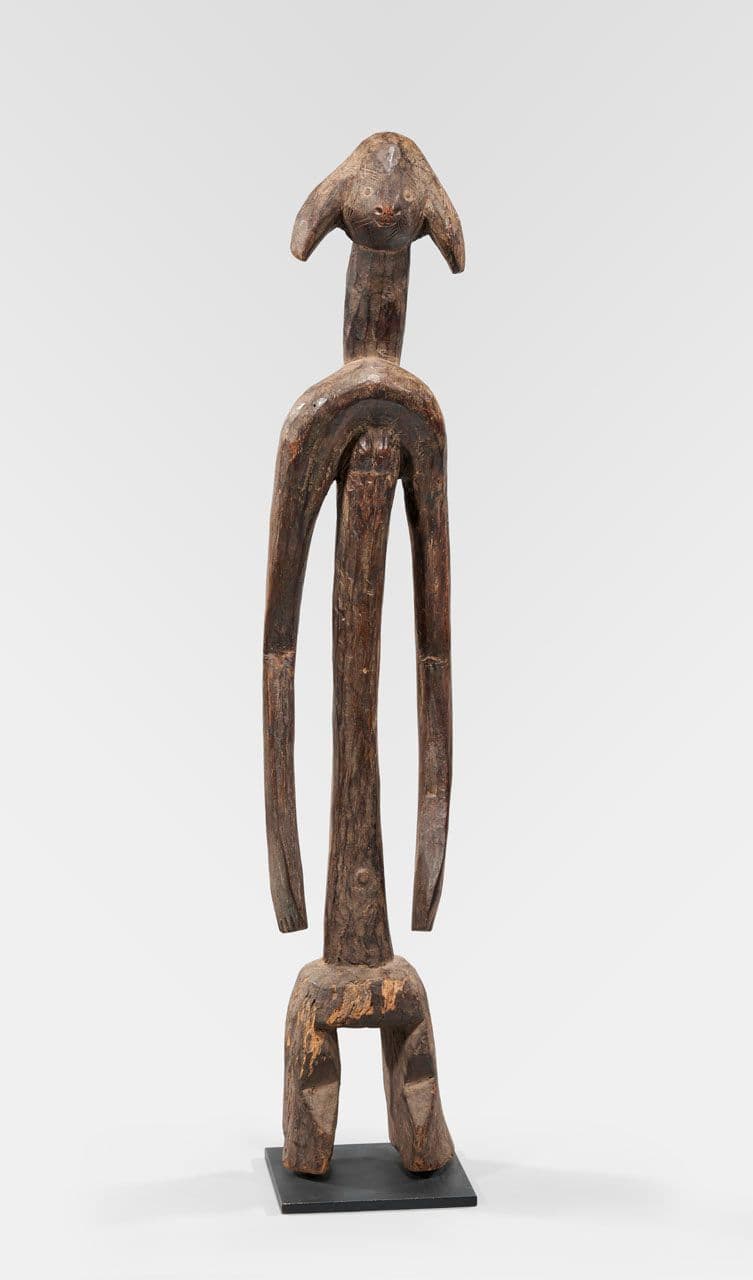
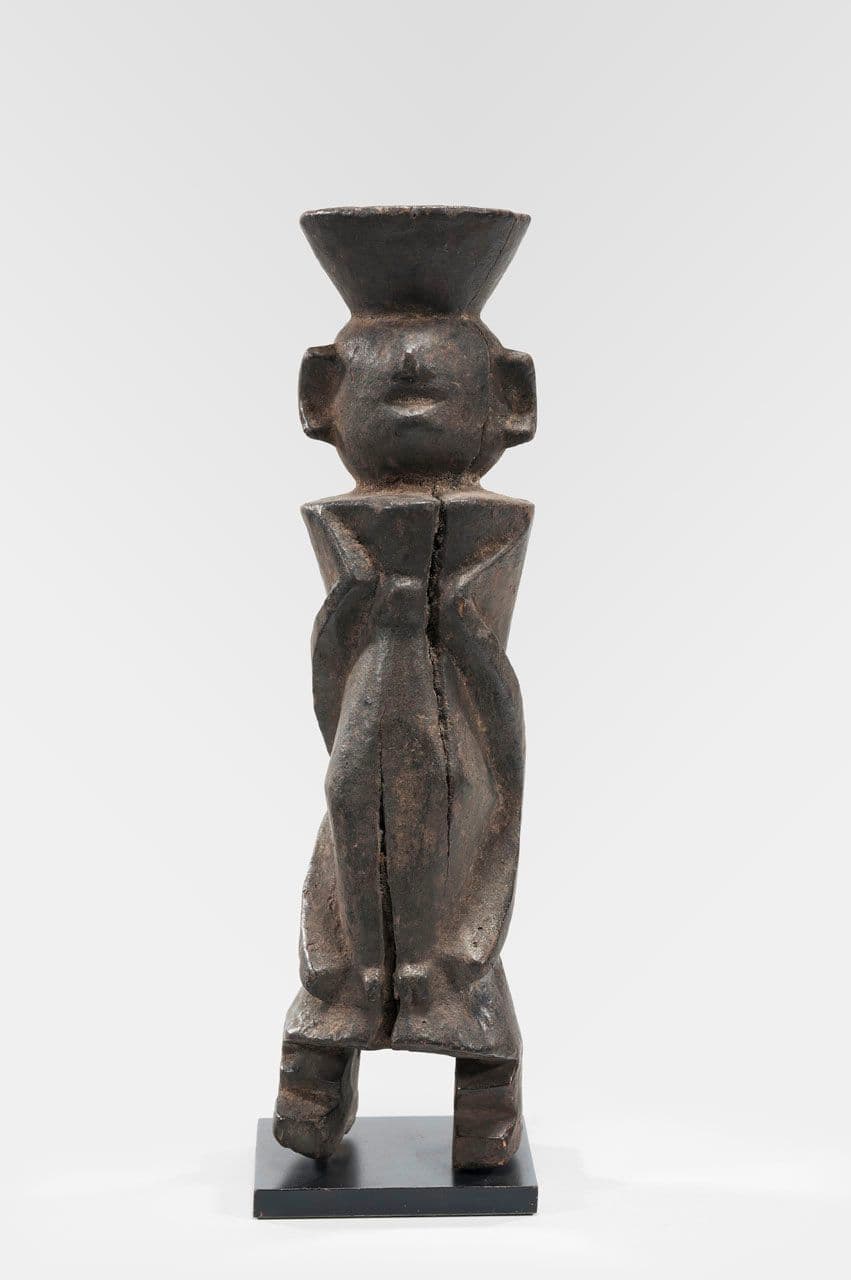
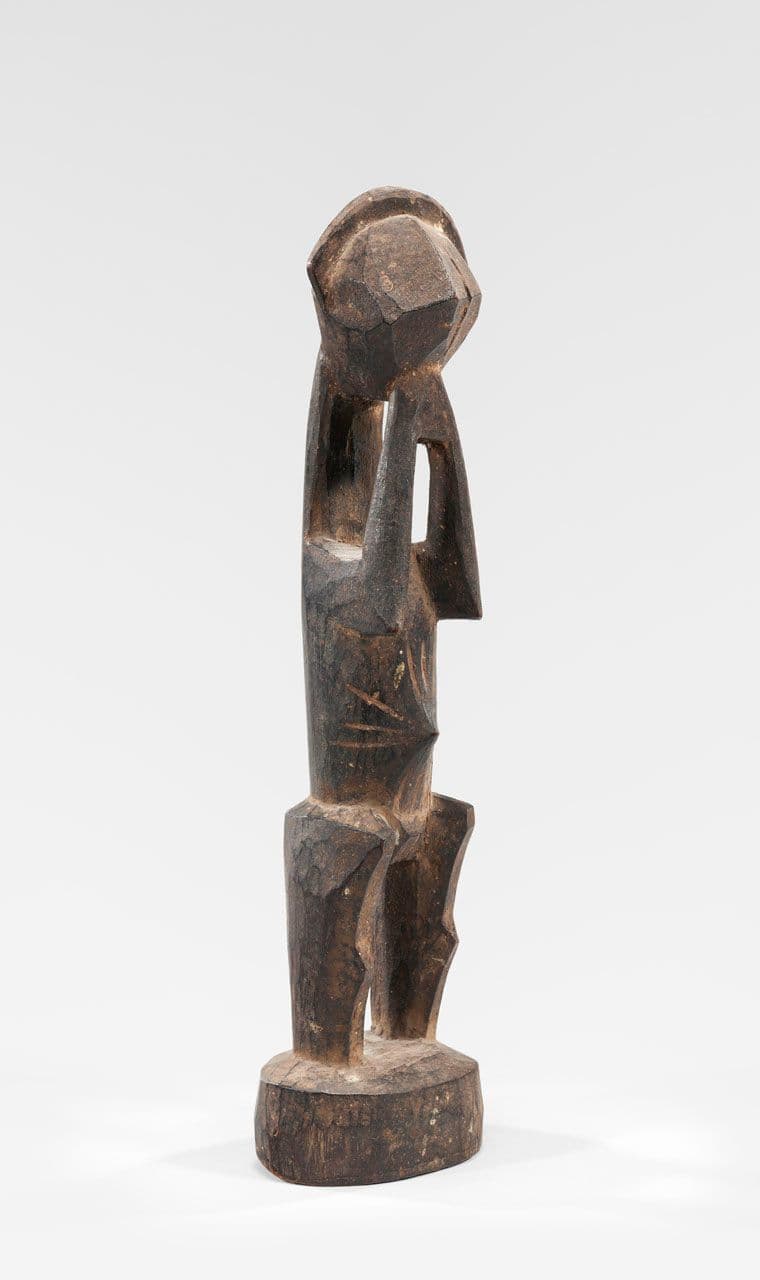
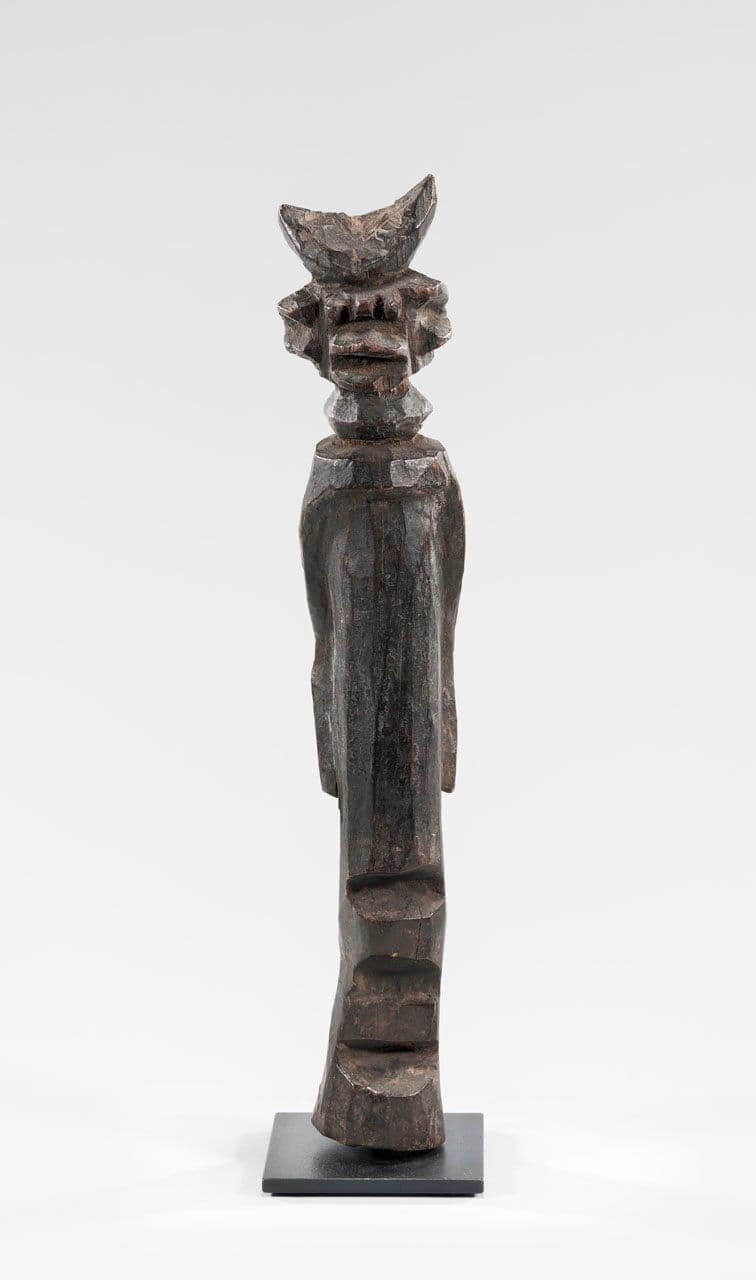
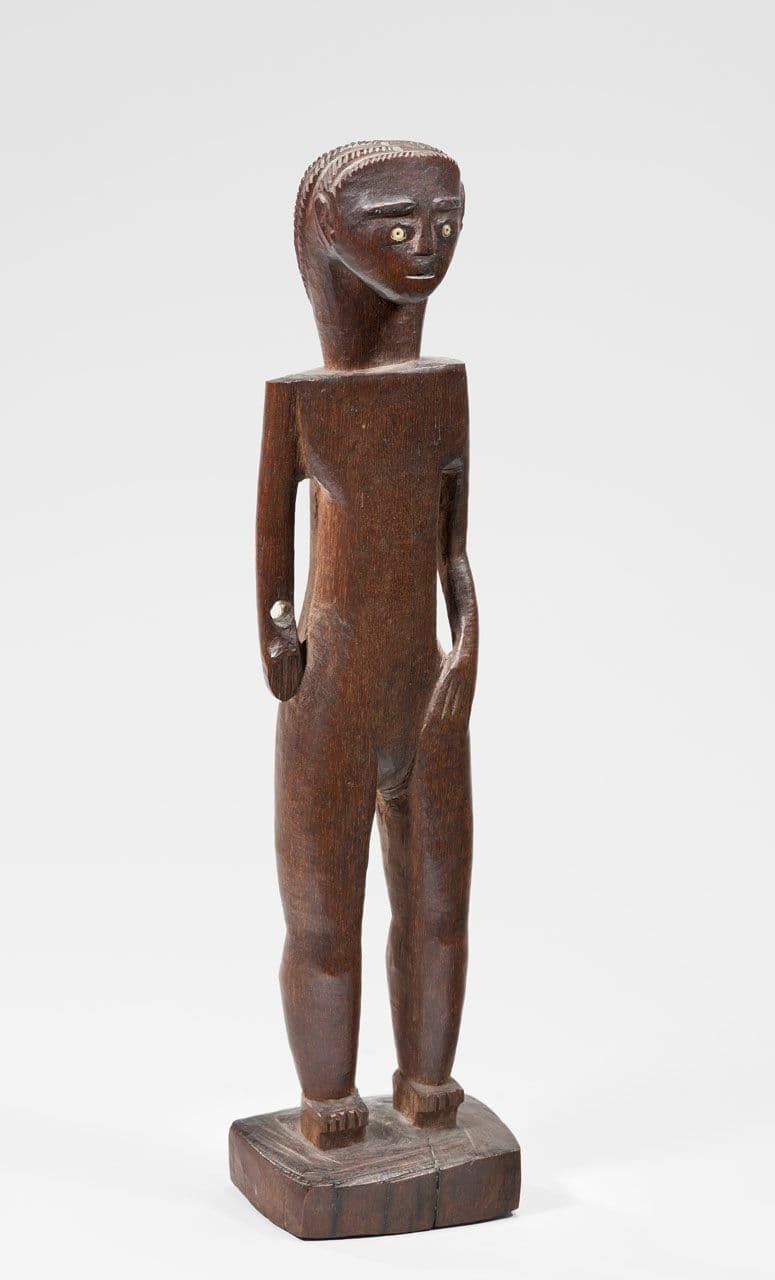
The Crocker’s African art collection consists of roughly 500 objects from sub-Saharan Africa, made largely in the 19th and 20th centuries. Representing cultures and traditions from a vast geographic area, with particular strengths in West African and Central African sculpture, there are a wide array of works created for events ranging from birth and initiation ceremonies to rites of protection, and objects made for community connection, preservation, and cultural continuity. Examples include exquisite textiles, jewelry, decorative arts, costumes, and pottery, along with sculpted figures, drums, masks, and ceremonial staffs. The collection also includes contemporary paintings and mixed media work reflecting the continent’s continued contributions to modern art.
Learn More
You may have heard the phrase, “Africa is not a country,” but what does that mean and what is it referring to? Africa is of course a continent, yet this statement refers to more than Africa’s geographic status, and is aimed at addressing the longstanding geopolitical imbalances that have and continue to minimize and flatten Africa’s vast diversity and vibrance. The Crocker’s collection of African objects represents a small portion of the incredible cultural output of Africa, and has particular strengths in the variety of wooden masks from Central and Southern Africa, from countries like the Democratic Republic of Congo and Angola.
Before the Berlin Conference (1884–1885) and the ensuing Scramble for Africa which paved the way for the continent’s colonization, Africa was a diverse mix of kingdoms, empires, chiefdoms, and stateless societies contained in nearly 12 million square miles. Kingdoms such as the Asante in West Africa and the Kuba and Luba-Lunda in central and southern Africa flourished in distinct ways. The creation of new countries in the wake of colonization divided cultural groups across imaginary borders based on European interests that disregarded the borders that already existed. People like the Chokwe whose homeland is currently in the south-central region of Africa were split between three different countries, namely Angola, Zambia and the Democratic Republic of the Congo (fig. 1).
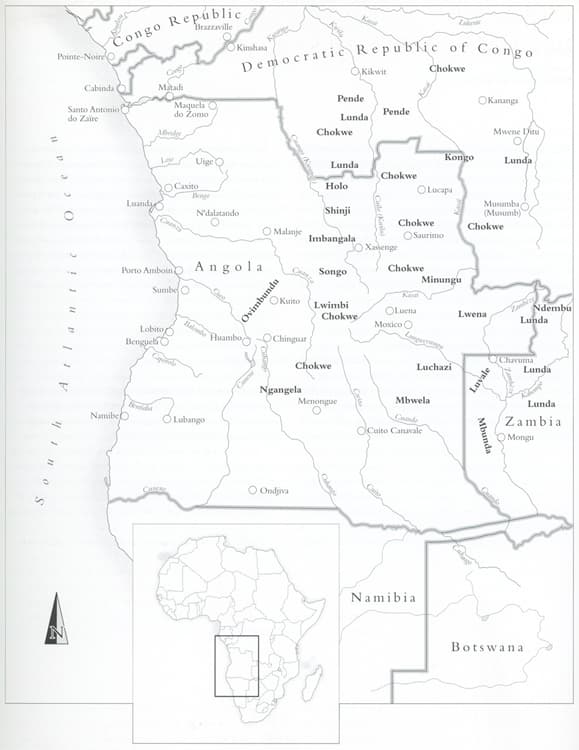
Fig. 1: Map from Chokwe! Art and Initiation Among Chokwe and Related Peoples by Manuel Jordán and Marie Louise Bastin (1998).
The Chokwe share a common ancestry with the Lunda, Lwena/Luvale, Luchazi, Ovimbundu, and Mbunda chiefs who trace their royal origins back to the Lunda migration in the 16th century. The concept of sacred kingship was introduced to the Lunda by a Luba hunter of royal blood called Chibinda Ilunga. Ilunga married the Lunda chief Lweji leading to the foundation of the Lunda Empire. (1) The Museum’s collection houses a number of Chokwe masks (see fig. 2). The Chokwe masked characters are called makishi. They represent ancestral spirits who return to guide, protect, and even educate members of a community on important occasions such as the mukanda initiation ceremony. They may also appear during confirmation ceremonies for chiefs, at political rallies during national elections, or even at wedding celebrations. One of the most important makishi characters in mukanda is Pwo or Pwevo (woman) or Mwana Pwo (young woman) who represents the ideal woman, with the Mwana Pwo having more markings on the face.
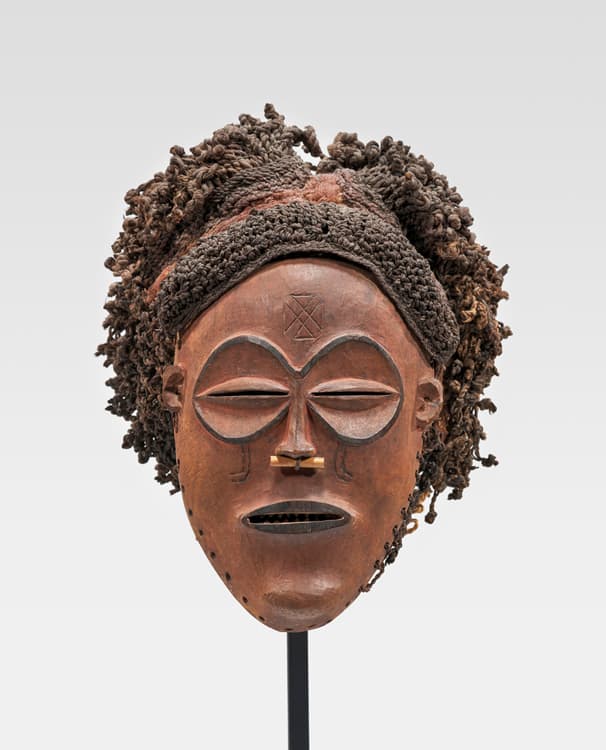
Fig. 2: Chokwe people, Angola, Mask (Mwana Pwevo), late 19th–early 20th century. Wood and fiber. Crocker Art Museum, gift of Allan Marion, 2016.37.47.
Mwana Pwo represents a beautiful and graceful young woman, displaying gentle manners, while also demonstrating assertiveness by initiating songs and guiding the drummers to accompany her dances. She also directs and engages the public through gestures and implements that may include a whistle, an adze, or a flywhisk. Her dances are a type of sexual education that stress the fertility of this female ancestor, characterized by sensuous hip movements through a bustle, tied around her hips, containing cloth and rattling objects. Though Mwana Pwo represents a young woman, she is performed by men in events related to the mukanda male initiation. In fact, all the masks in this collection are performed by men. Through Mwana Pwo the vital social role of young women and the importance of mothers for the well-being of the initiates in the mukanda camp is celebrated. (2)
The holes on the side of the mask show where it would have been attached to the rest of its costume/body, while the mask’s elaborate coiffure made from fiber completes the image of a proud and accomplished female ancestor celebrated by a Chokwe community.
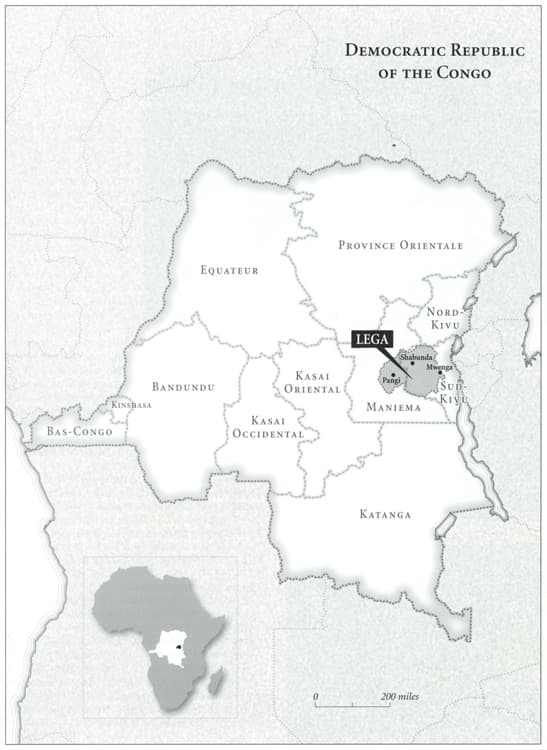
Fig. 3: Map from Art of the Lega by Elizabeth Cameron (2001).
Most Lega people believe themselves to be descendants of one original eponymous ancestor. The original Lega descendants migrated into what is now known as Kivu Province in the Democratic Republic of the Congo. The Lega people are found in three administrative districts that cover a geographic area larger than Belgium: Mwenga and Shabunda in Sud Kivu Province and Pangi in Maniema Province. The rugged environment of the dense western rainforest resulted in small and isolated Lega communities. In spite of the differences resulting from isolation and ecology, three shared social institutions have helped distinguish and unify the Lega peoples: family or kinship (ibunta), circumcision rituals (bwali), and the Bwami Society. (3)
The Lega use the complex and voluntary Society to structure their lives and interactions with other communities. During initiation rites the Lega become aware of different forms of art in a particular sequence as they proceed through the levels of the Bwami Society. They are first exposed to natural materials with particular meaning and aesthetic forms and only in the highest levels of Bwami will they see the sculptures and masks such as those housed in many European and American collections. (4) The primary purpose of Bwami is to instruct the initiate in “wisdom and moral excellence” while also fulfilling political, economic, social, artistic, and religious roles in broader Lega society.
Most Western definitions of masks are based on function, but the Lega mask categories are based on form and material. A mask can often be thought of as an object that covers the face and transforms its wearer, however, the Lega “masks” are sculptures that are rarely worn over the face and never for the purpose of true transformation. As an initiation object in Bwami ceremonies, masks are attached to different parts of the body, stacked, hung on fences, displayed, dragged on the ground, and occasionally worn on the forehead. The Bwami member could be compared to a puppeteer and the mask to a puppet. The puppeteer remains unchanged while the mask is performed. (5)
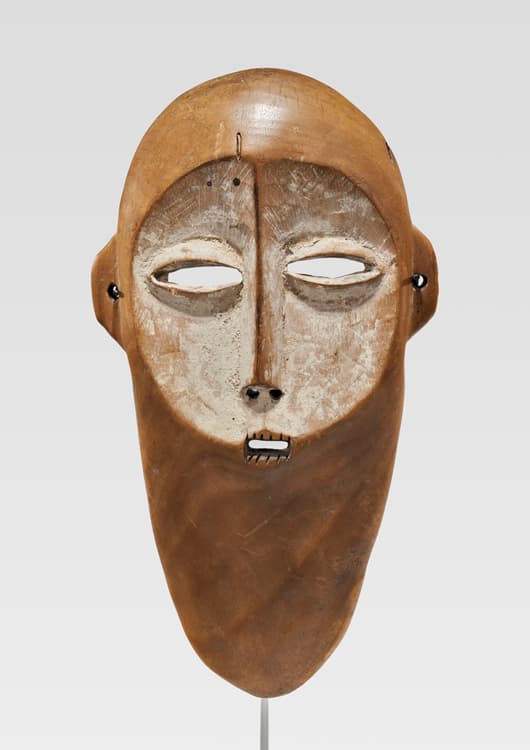
Fig. 4: Lega people, Democratic Republic of the Congo, Mask, early–mid-20th century. Wood. Crocker Art Museum, gift of Anonymous, 2012.106.9
Lega masks usually focus on continuity of Bwami Society as they are performed. They are divided into five types according to material, size, and form: lukwakongo, kayamba, idimu, mumina, and lukungu. An example from the Crocker collection (fig. 4) can be described as a lukwakongo mask which is made of wood and incorporates white powder covering the top half of its face. This type of mask portrays an idealized Lega man. The lukwakongo mask is the most important insignia of rank until the individual advances to the Kindi rank and trades it for an ivory one. (6)
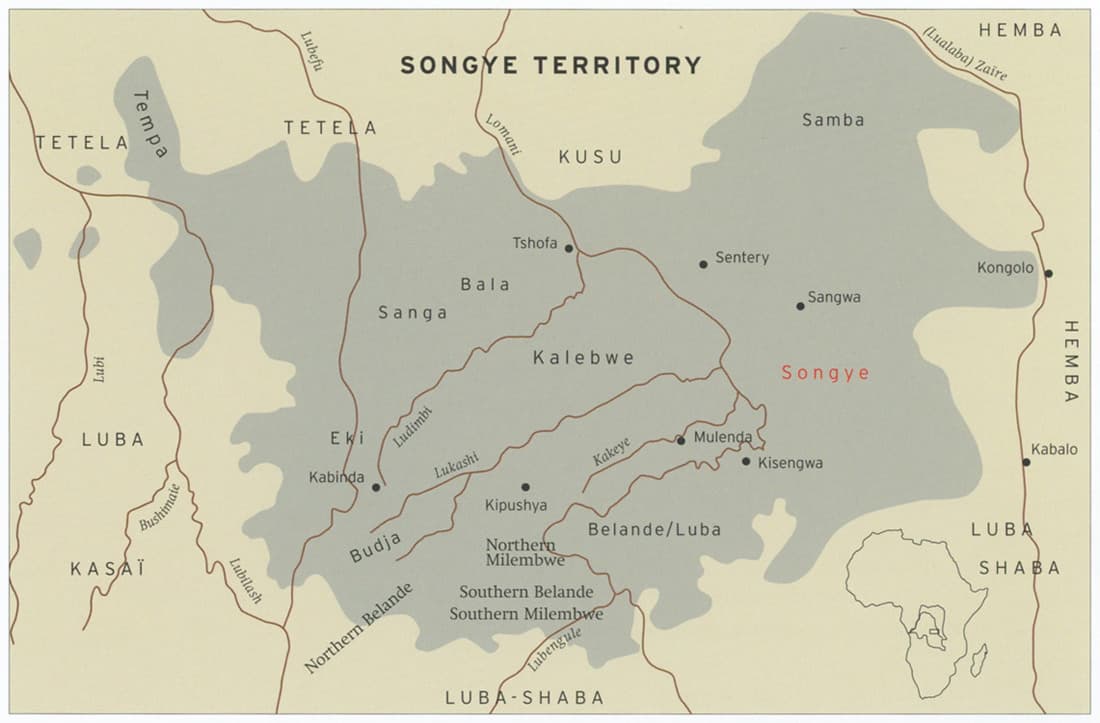
Fig. 5: Map from Songye: The Formidable Statuary of Central Africa by François Neyt (2004).
The Songye primarily inhabit the Kasai-Oriental region of south-central Democratic Republic of the Congo and are closely related to the Luba people. The political organization of the Songye rests on the authority of a chief, whose power is linked to two societies, one of which is based on the Kifwebe masks. (7)
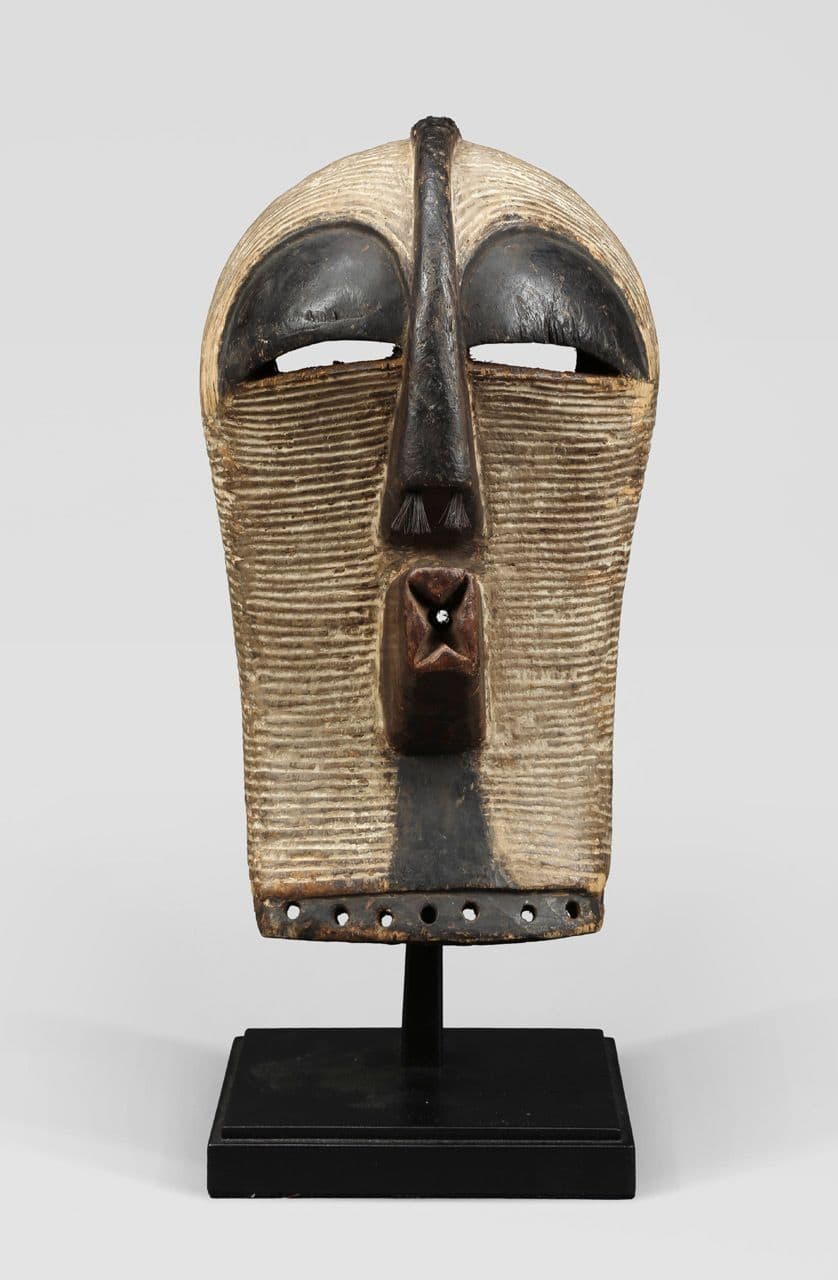
Kifwebe (pl. bifwebe), refers to the striated masks performed by Songye and Luba peoples. Masking is perceived as a form of both ritual and play but there is not one singular Songye tradition; it is a dynamic, ephemeral phenomenon with many variants. Play serves as an important form of commentary in Songye society. Masking associations functioned as regulatory bodies to enforce obedience and social responsibilities in multiple contexts. In the late 1970s post-independence, the Kalebwe, Chokwe, Eki, Bala, and Luba, bifwebe were featured in entertainment spectacles. They also appeared at circumcisions, the investiture and death of chiefs, and at initiation rites into the closed Bukishi Society (particularly among the Eki). (8)
Those who wore the masks were referred to as muadi, a generic term for the state of transformation from the familiar into something unfamiliar. Songye masks can be identified as male or female, where the female masks are predominantly white in color (fig. 6), with more contained features outlined in black and red (depending on the mask). They tend to have a flat nose without the forehead extension (or crest) seen on male masks. Symbolically their color, form, and role were linked to biological certainties and to cooling and controlling effects. They were also associated with the moon and, its cyclical nature of renewal and continuity. (9)
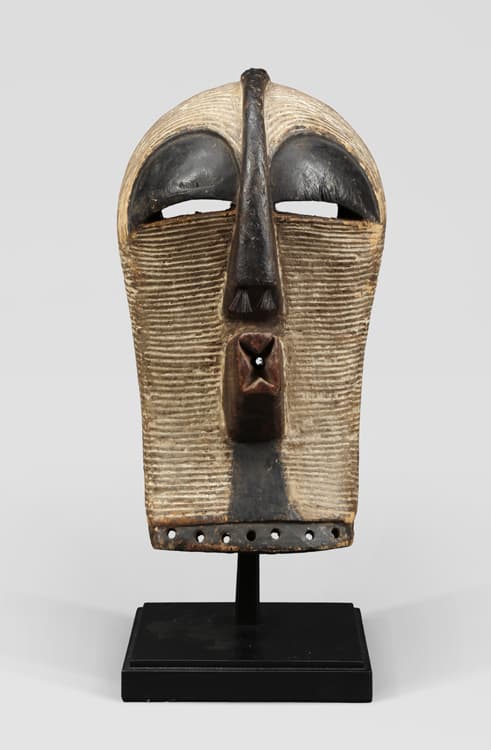
Fig. 6: Songye people, Democratic Republic of the Congo, Female Songye Kifwebe Mask, 20th century. Wood, pigment, and fiber. Crocker Art Museum, gift of Meghan and David Potter, 2016.82.
Male masks can be identified by their red, black, and white striations and prominent crests. In initiation performances they appear erratic, hot-tempered and unpredictable, ensuring change and transition. The male masks with prominent crests on their heads present them as elders with a high level of control of sorcery (fig. 7). The prominent facial features such as bulging eyes and a protruding mouth, nose, and crest display high sensory perception akin to an animal which can see, feel, and smell in ways that humans cannot. (10)
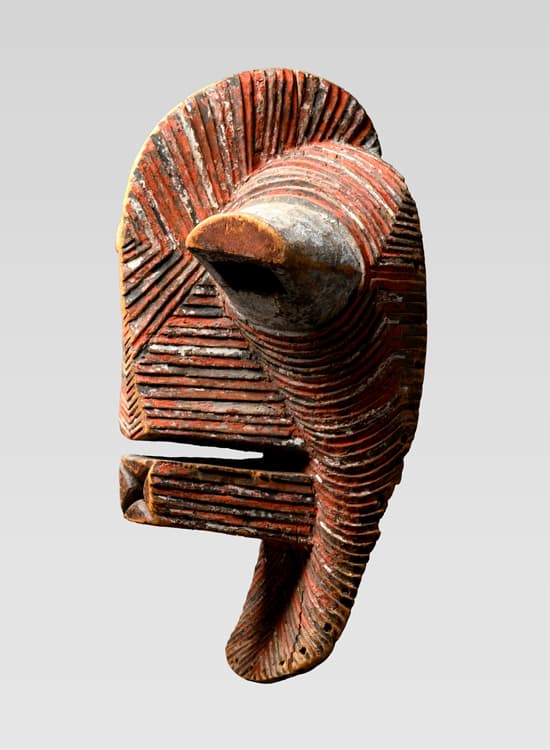
Fig. 7: Central Songye people, Democratic Republic of the Congo, Male Kalebwe Kifwebe Mask (Kilume), early 20th century. Wood and natural pigments. Crocker Art Museum, gift of the Woods Davy and Kathleen Dantini Collection, 2024.58.2.
—Aaron Samuel Mulenga
Aaron Samuel Mulenga is an interdisciplinary artist and Visual Studies PhD candidate at the University of California, Santa Cruz
1. Manuel Jordán and Marie Louise Bastin, Chowke! Art and Initiation Among the Chokwe and Related Peoples (Prestel: 1998), 16, 29.
2. Chokwe!, 68.
3. Elisabeth Cameron, Art of the Lega (Fowler Museum at UCLA: 2001), 34, 36.
4. Art of the Lega, 31.
5. Art of the Lega, 178.
6. Art of the Lega. 184.
7. François Neyt, Songye: The Formidable Statuary of Central Africa (Prestel: 2004), 21.
8. Dunja Hersak, “Further Perspectives on Kifwebe Masquerades,” African Arts 53, no. 1 (2020): 9, 10.
9. “Further Perspectives on Kifwebe Masquerades,” 12, 16.
10. “Further Perspectives on Kifwebe Masquerades,” 19.
Bibliography
Birmingham Museum of Art, Baltimore Museum of Art., Minneapolis Institute of Arts., Manuel Jordán, and Marie Louise Bastin. Chokwe!: Art and Initiation among the Chokwe and Related Peoples. Prestel, 1998.
Cameron, Elisabeth Lynn, and Los Angeles Fowler Museum of Cultural History University of California. Art of the Lega. UCLA Fowler Museum of Cultural History, 2001.
Hersak, Dunja. “Further Perspectives on Kifwebe Masquerades.” African Arts (One Rogers Street, Cambridge, MA 02142-1209, USA) 53, no. 1 (2020): 6–23. https://doi.org/10.1162/afar_a_00511.
Neyt, François. Songye: The Formidable Statuary of Central Africa. Prestel, 2009.