Betye Saar
American, 1926–2026
About Betye Saar
Betye Saar was born Betye Brown in 1926 in Los Angeles and was the oldest of three children. Saar’s father died when she was six years old, and her family moved in with her paternal grandmother in the Watts neighborhood of Los Angeles. She recalled living through the Great Depression by growing food in her grandmother’s garden and crawfishing in the Los Angeles water system before the creeks and canals were paved over. While living with her grandparents, she saw Simon Rodia (1879–1965) building the Watts Towers, a sculptural monument made of steel rebar, cement, and found objects. While she didn’t understand the Watts Towers as art, she found them magical and would go out of her way to see them whenever possible.
Saar’s mother eventually remarried, and the family moved to Pasadena, which Saar described as being a partially integrated community of black, white, and Hispanic families with segregated public facilities. Education was important to her family, and both Saar and her sister were awarded scholarships to attend UCLA. After graduating with her BA in 1949 and returning to the family home in Pasadena, Saar started to form a network of artist friends that included Curtis Tann, an enamel artist from Cleveland, Ohio, with whom she started a small business called Brown and Tann that sold enamelware. While selling their work at a gift fair in Los Angeles, she met Richard Saar (1924–2004), who ran a ceramics company called Saar Ceramics. They married in 1956 and had three children, Lezley (born 1953) and Alison (born 1956), who are both artists, and Tracye (born 1961) who is a writer. In 1958, Saar decided to return to school and enrolled in night classes in interior design at Long Beach State College (now California State University, Long Beach), but after wandering into the printmaking room, changed her focus from Design to Fine Art. After moving to the Laurel Canyon area in 1960, she continued her graduate studies at both California State University, Northridge, and the University of Southern California, before deciding to make art full-time in 1962.
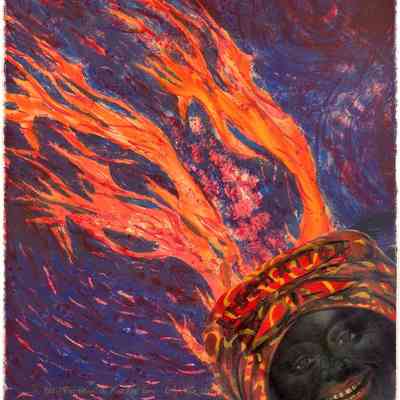
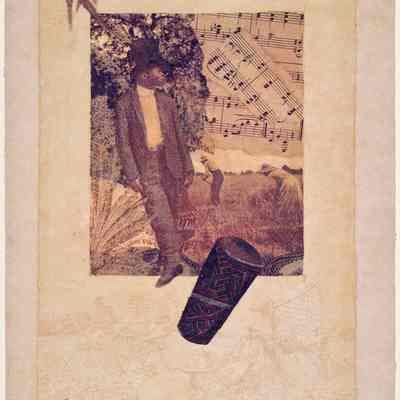
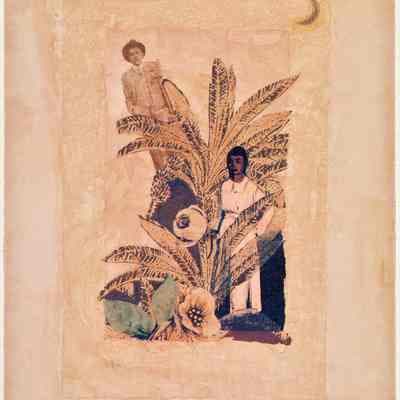
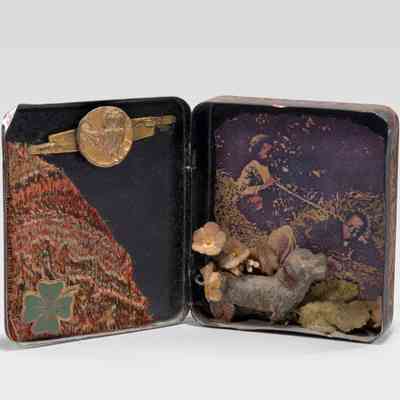
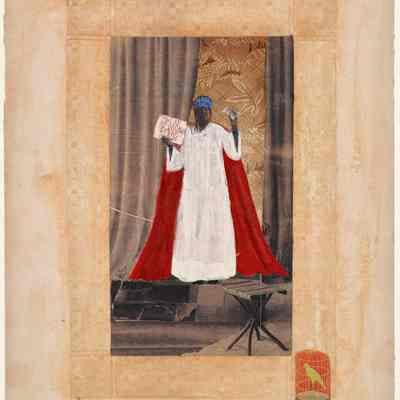
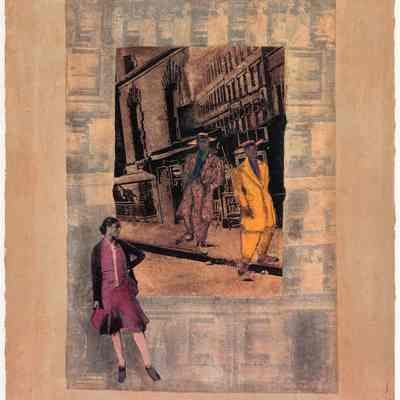
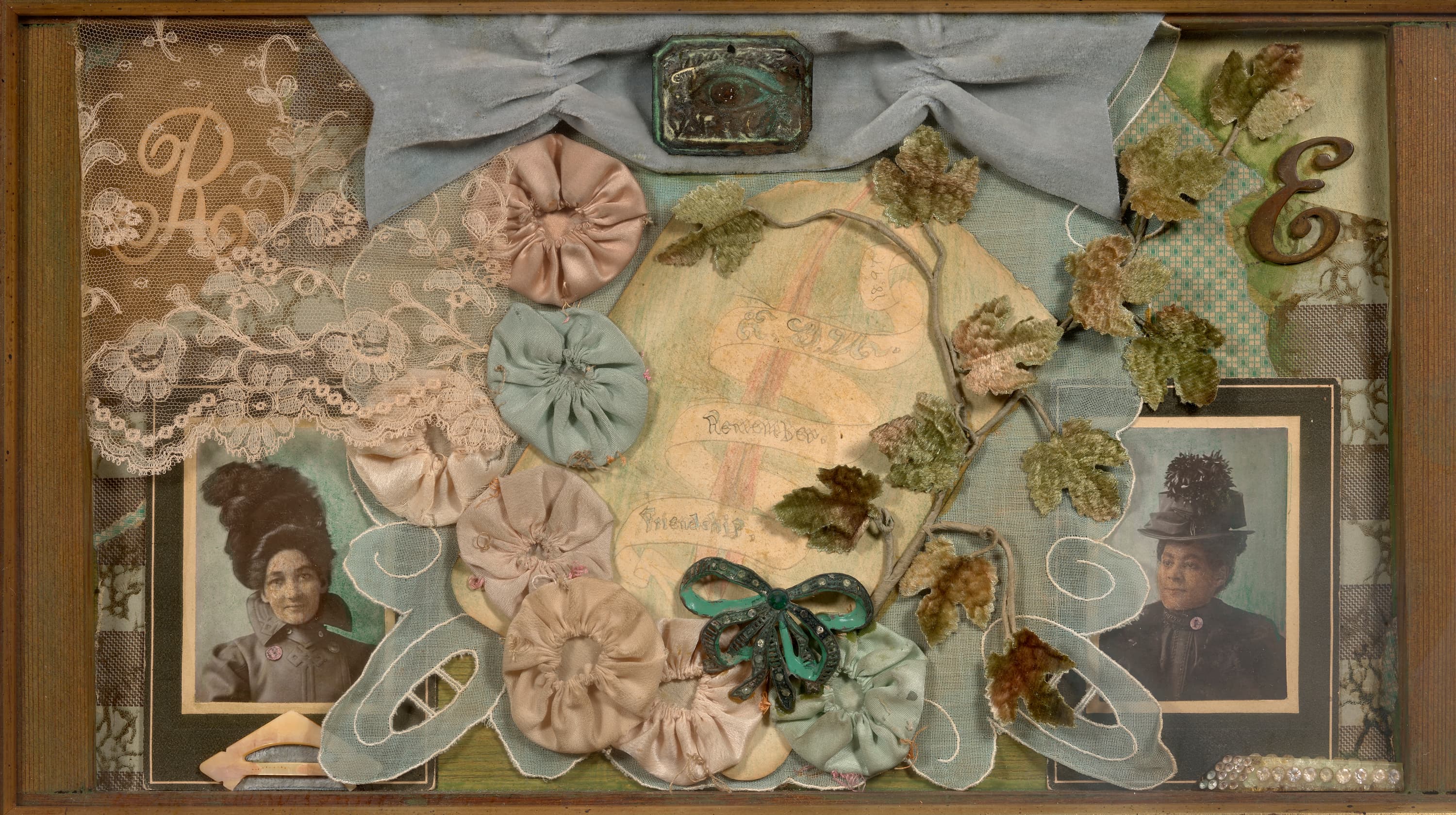
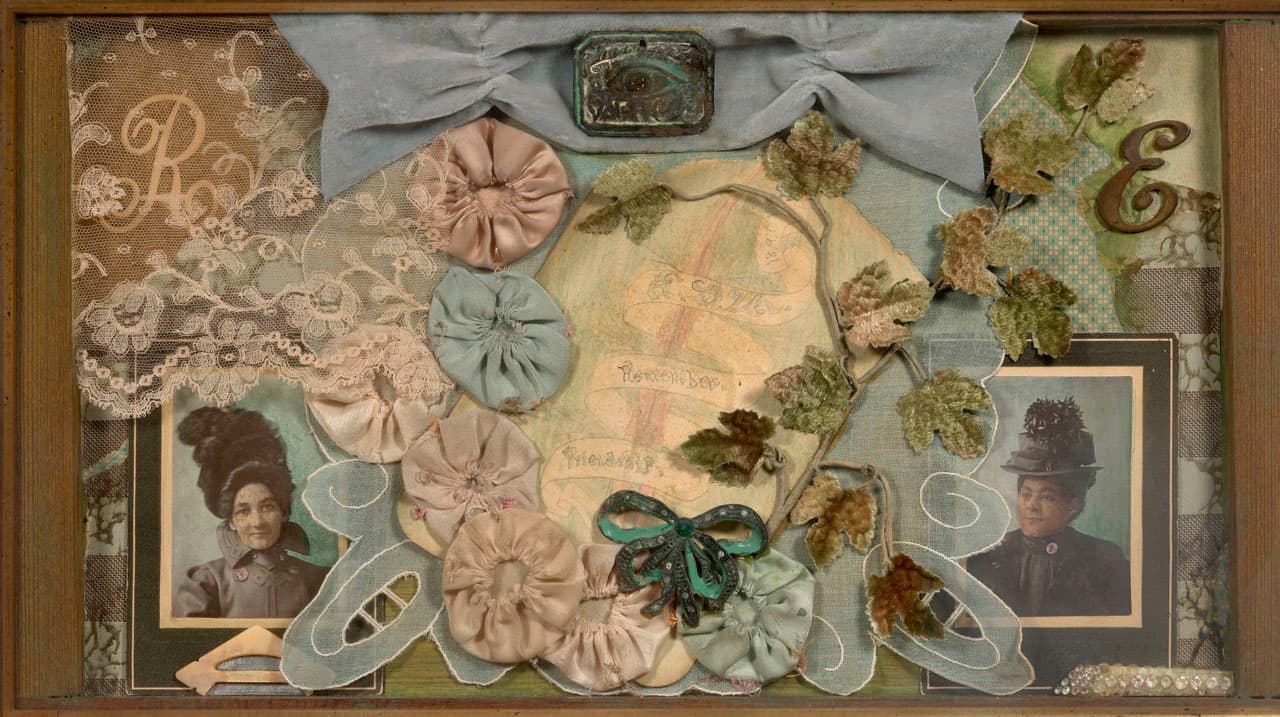
Saar’s work in the early 1960s was informed by her interest in metaphysics, magic, and alchemy, and while she initially focused on prints, a serendipitous encounter in the mid-1960s changed the trajectory of her work. On a trip to Big Bear with friends, she came across discarded window frames and decided to use them as frames for her prints. The window frame became a motif for Saar, and she began to cut up old prints to fit windows, starting down a path of making assemblage works. Then, in 1967, Saar saw a Joseph Cornell retrospective at the Pasadena Art Museum (now the Norton Simon Museum) that proved to be hugely influential. She found that the small worlds contained in Cornell’s shadowboxes had a presence that reminded her of the Watts Towers but were the inverse—a microcosm rather than a grand structure. Saar started making shadowboxes, combining repurposed objects to create little worlds and stories of her own.
After the Watts riots in 1965 and the assassination of Martin Luther King Jr. in 1968, the focus of Saar’s work shifted from the mystical and metaphysical to the plight of Black people in the United States. She began to reappropriate derogatory depictions of Black people, subverting their original racist narratives and recasting the figures as heroes or warriors. Betye kept the last name Saar after divorcing Richard in 1970 and she spent some time working as a costume designer. Finding the scenery and scrims of the theater inspiring, she brought the concepts of larger sets into her work, expanding the scale of her shadowbox stories to tableaus and larger installations.
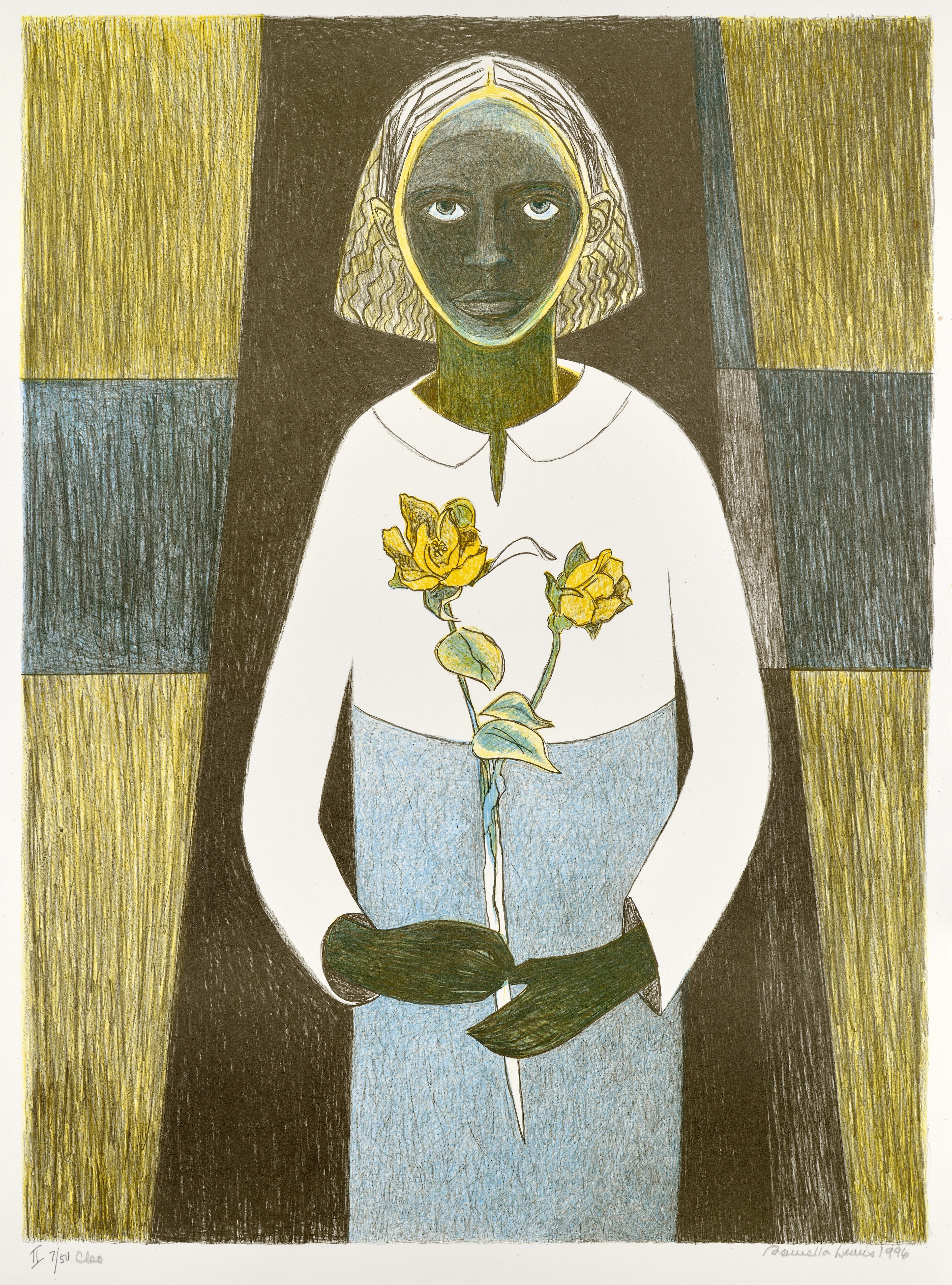
Saar had been the recipient of many awards, including two National Endowment for the Arts Artist Fellowships in 1974 and 1984, and the J. Paul Getty Fund for the Visual Arts Fellowship in 1990. She was awarded Honorary Doctorate Degrees from California College of Arts and Crafts (1991), Otis College of Art and Design (1992), California Art Institute (1995), and Cornish College of the Arts (2012). She exhibited at the Crocker Art Museum in 1974 for the invitational exhibition West Coast 74: The Black Image, alongside Charles White, Mike Henderson, and others. In 1975, Saar had an important solo exhibition at the Whitney Museum of American Art in New York. Saar had two solo exhibitions at the Crocker Art Museum: a self-titled exhibition in 1980 and Extending the Frozen Moment in 2007. In 2021, the artwork of Betye, Lezley, and Alison were displayed together in the Crocker Art Museum’s exhibition Legends from Los Angeles. Saar passed away in 2026, just before her 100th birthday.
Notes:
Saar, Betye. “Biography.” Accessed October 15, 2025.
http://www.betyesaar.net/saar_bio.pdf
Saar Ceramics. “Richard Saar.” Accessed October 15, 2025. https://saarceramics.org/richard-saar/
Singh, Rani, interviewer. “Betye Saar oral history interview 2011.” Getty Research Institute, March 25, 2011. https://www.youtube.com/watch?v=BUOxdZrBIZU
Whitney Museum of Art. “Betye Saar.” Whitney Museum of Art, 1975. https://archive.org/details/betyesaar00saar/page/n1/mode/2up