The Crockers and their Collection
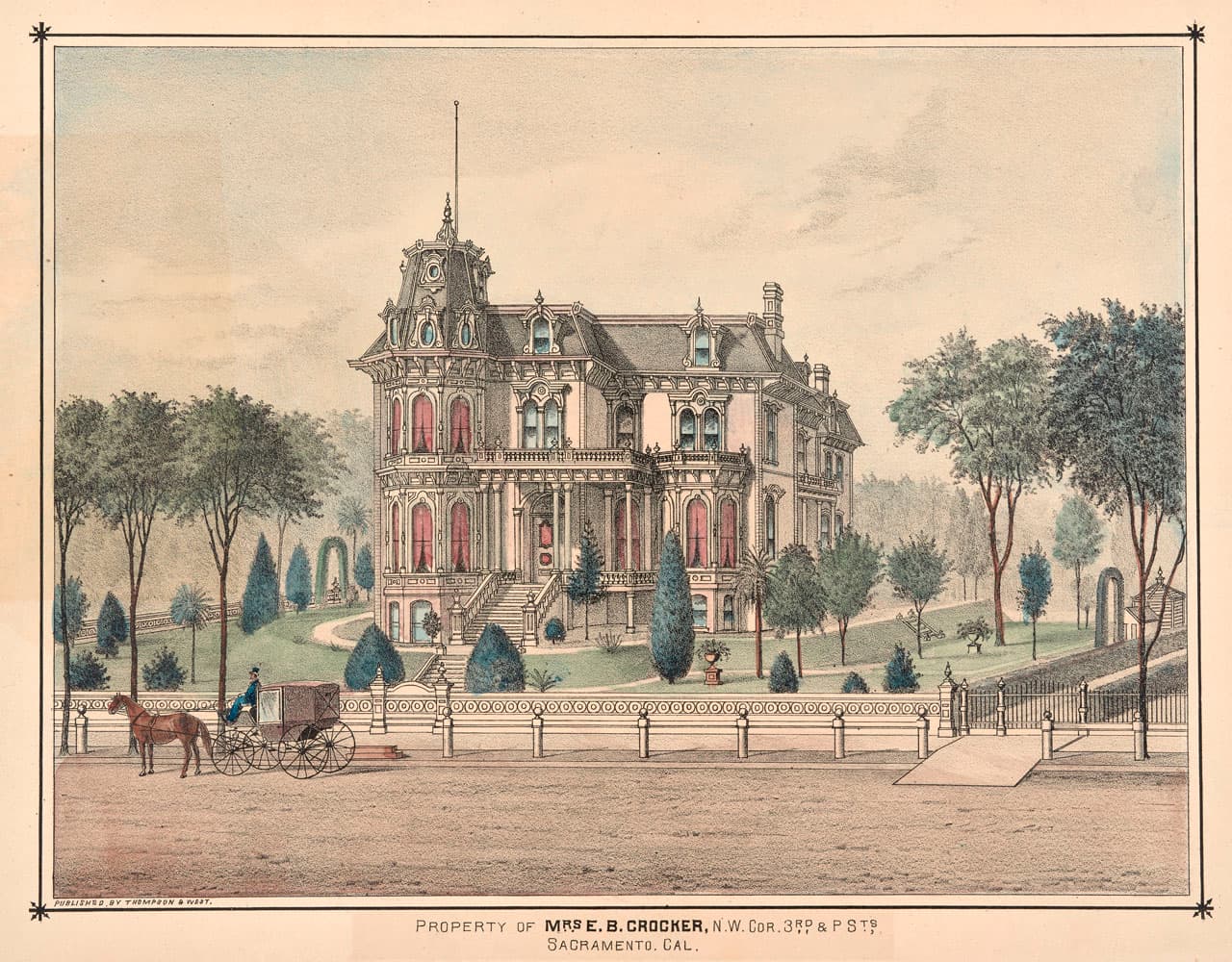
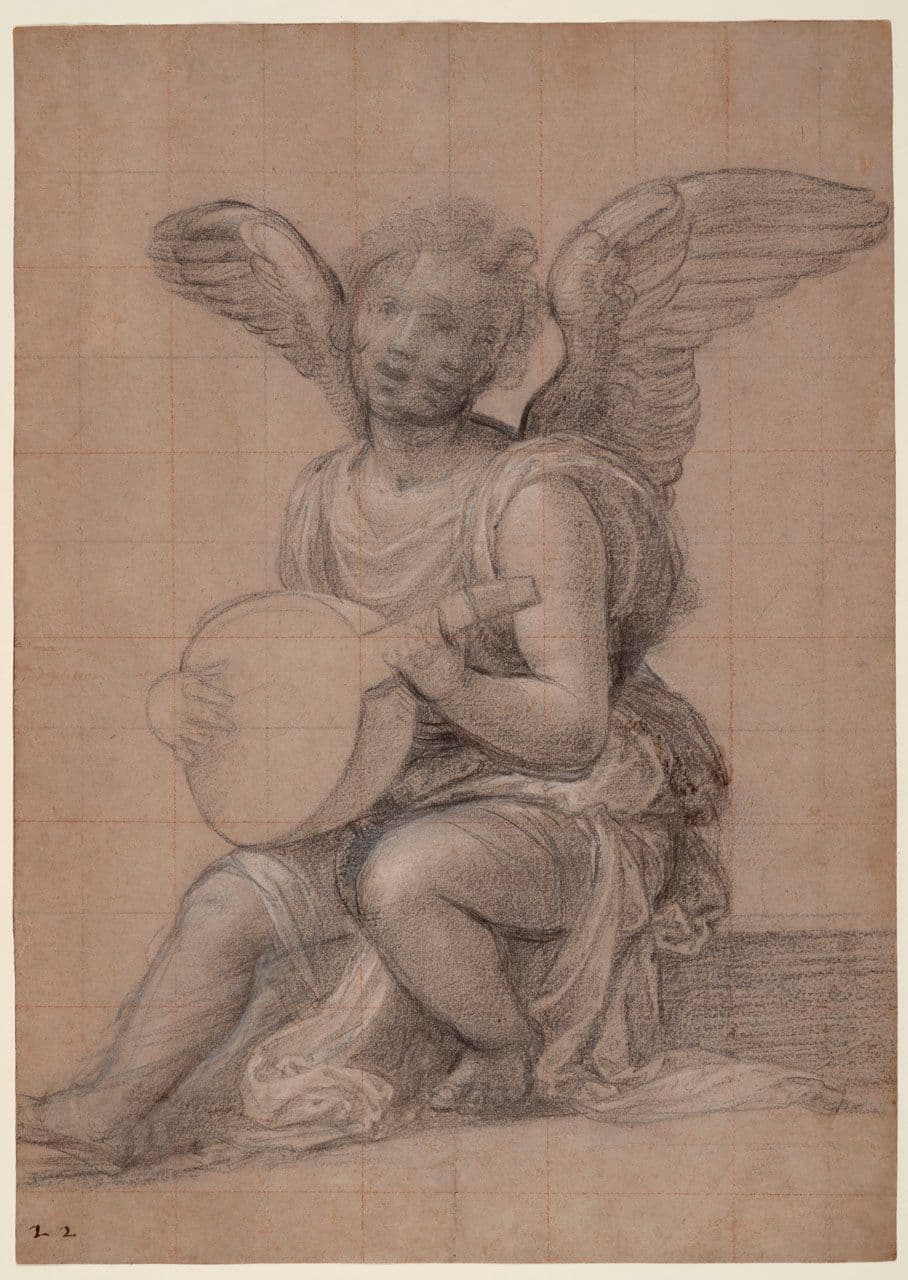
Before the Crocker Art Museum opened in 1885, it was originally the E. B. Crocker Art Gallery. The gallery opened in 1872 and housed the art collection of E. B. and Margaret Crocker, which was acquired during a trip to Europe between 1869–1871. The collection of European paintings and works on paper was one of the first to enter the United States and the Crockers also collected and commissioned work by artists in California.
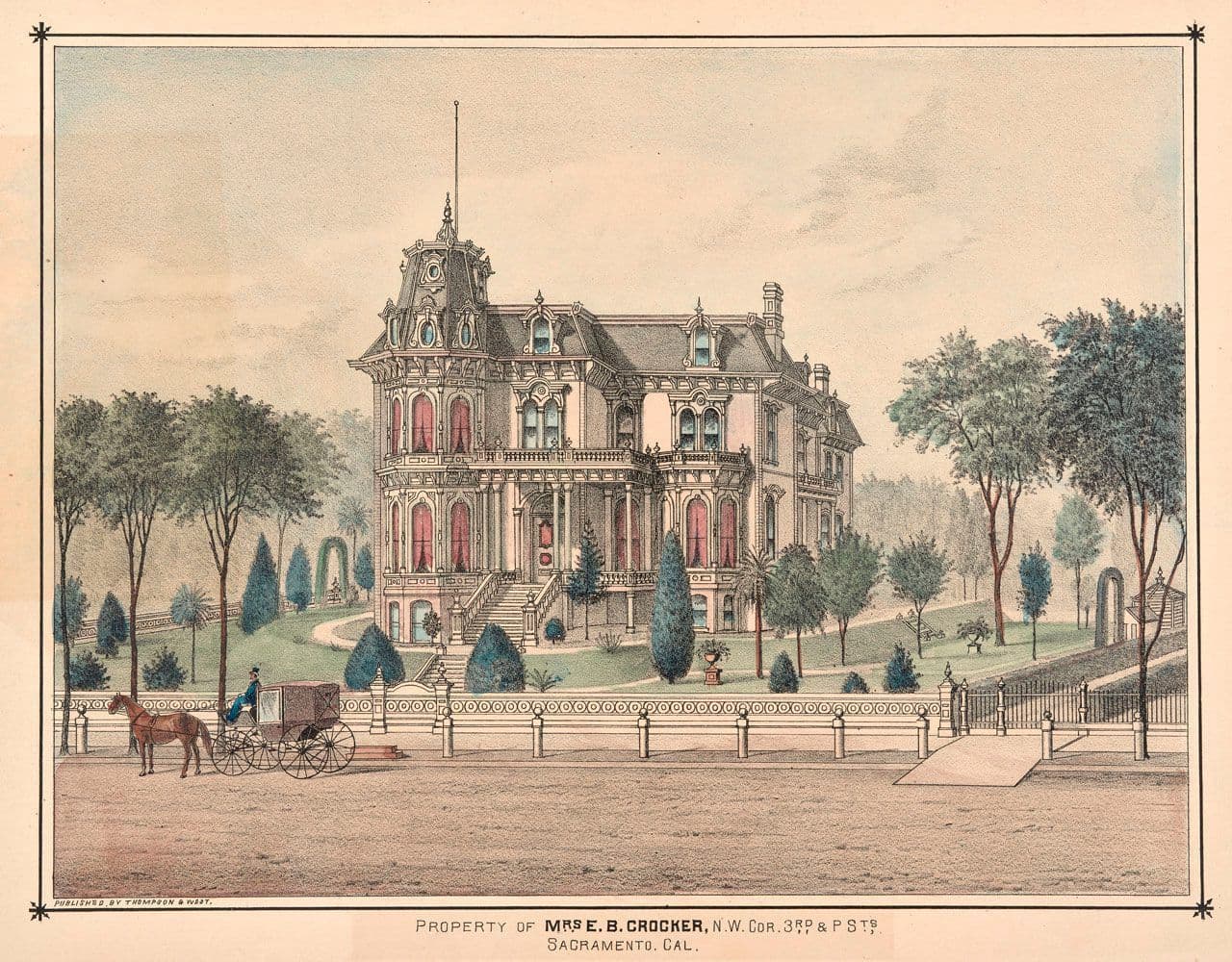
Image: Thompson & West (American, 1875–1930), Crocker Residence (N.W. Corner 3rd and P), circa. 1880. Hand-colored lithograph, 8 15/16 x 12 in. Crocker Art Museum, gift of the Art Service Group, 1980.51
The Crocker Family
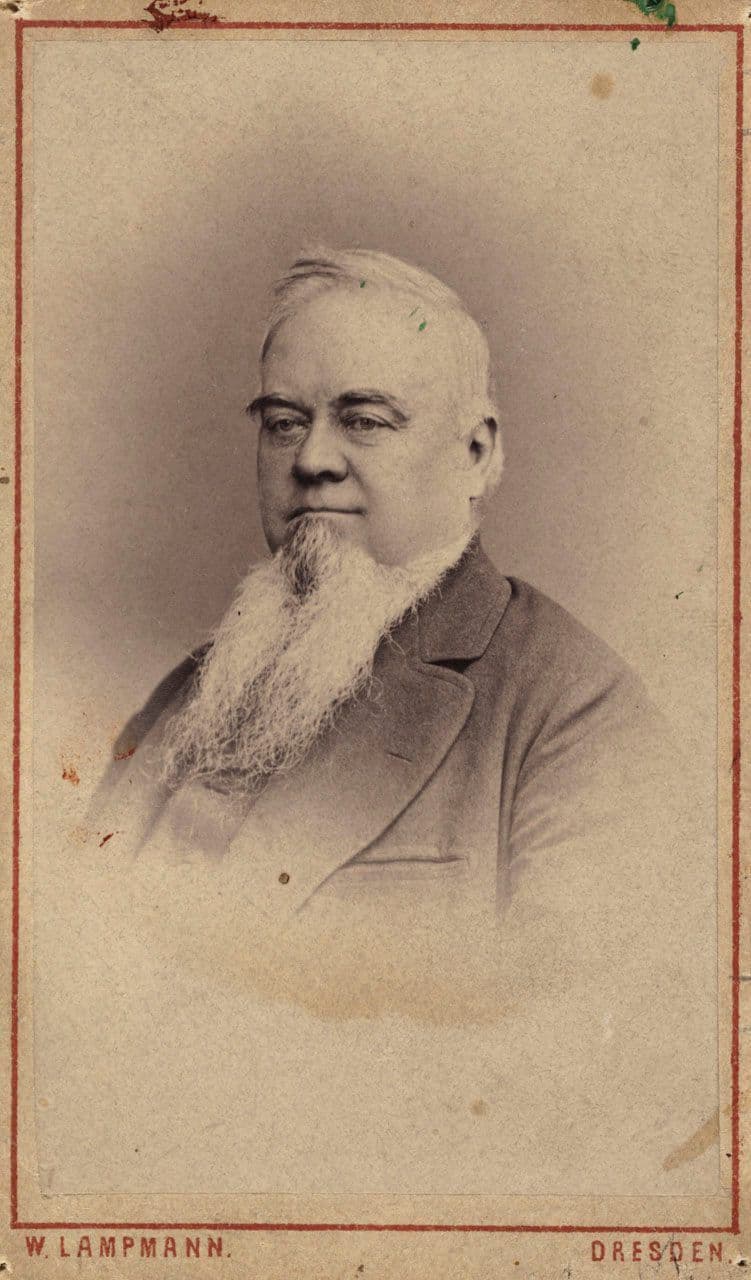
Edwin Bryant Crocker was born April 26, 1818, in Jamesville, New York. He was the eldest of five children born to Isaac and Elizabeth Clark Crocker. He grew up in Troy, New York, and attended the Van Rensselaer School where he earned a degree in civil engineering. He later studied law in South Bend, Indiana, where he established a practice.
His early career is notable for an 1849 case in which he defended a fugitive slave family. They had escaped in Kentucky in 1847 and fled to Michigan, where their enslaver found them two years later. Crocker, an abolitionist, gained a court judgement for their release, and after a protracted legal battle around damages and costs, Crocker took the case to the United States Supreme Court, who in 1851 ruled in Crocker’s favor freeing his clients and avoiding costly damages. It was the only fugitive slave case argued before the Supreme Court in which the abolitionists won.
Crocker’s first wife, Mary Norton, died around 1850, leaving him with a young daughter, Mary Norton Crocker Walker (1846–1923). He married his second wife, Margaret Rhodes, on July 8, 1852, in New York. A few days later the newlyweds booked passage to California (via Panama), where Edwin’s three younger brothers were already established and ran a dry-goods store in Sacramento.
Once in Sacramento, Crocker resumed his legal career. Because of his expertise in common law and his prominence in party politics, Governor Leland Stanford appointed Crocker to finish the term of California State Supreme Court Justice Stephen Field in 1863, who had been appointed to the Supreme Court. This earned Crocker the nickname, “Judge.” He then left the bench to serve as legal counsel for the Central Pacific Railroad Company, a company organized by Leland Stanford, Mark Hopkins, Collis P. Huntington and Edwin’s brother, Charles Crocker, ultimately making all of the men millionaires.
In June of 1869, Crocker suffered a stroke, leaving him partially paralyzed for the rest of his life. He retired from the railroad business and pursued other interests, including renovating the family’s home, commissioning an art gallery building, and embarking on a Grand Tour to Europe with his family from 1869 to 1871. The family moved into the new home in 1872, and installation of the galleries was completed in late 1873. Edwin did not enjoy his collections or magnificent gallery for long; he died in 1875.

Founding the Collection
Between 1865 and 1869, E. B. Crocker purchased hundreds of negatives of the railroad from Alfred Hart and created one of the earliest corporate photographic archives. The images are stereographs—two images that when seen through a special viewer create a three-dimensional image— which Crocker used as marketing tools, sending copies to hesitant investors and business partners. Showing many scenes from the American West, the photos documented the progress and difficulties of the creation of the Central Pacific Railroad.
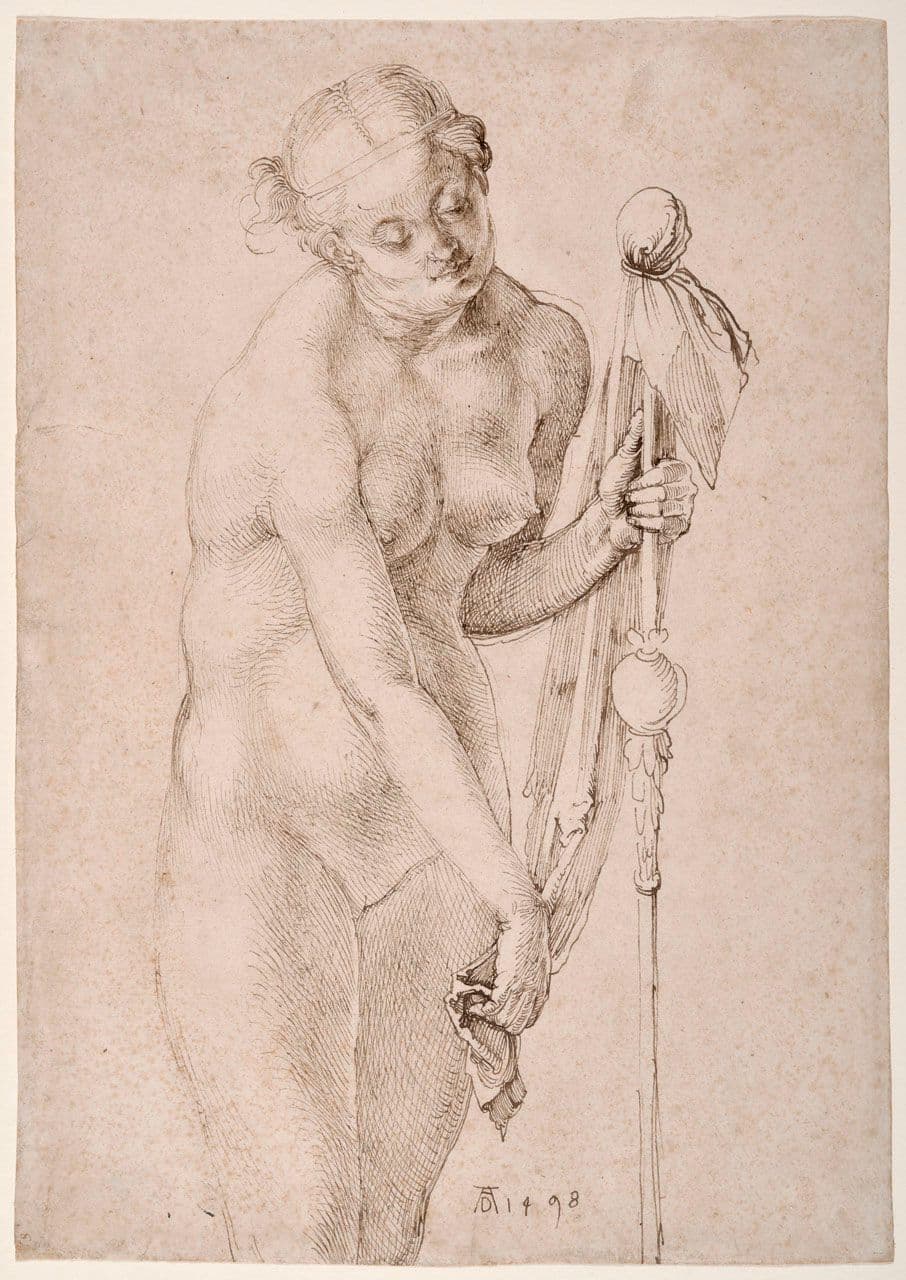
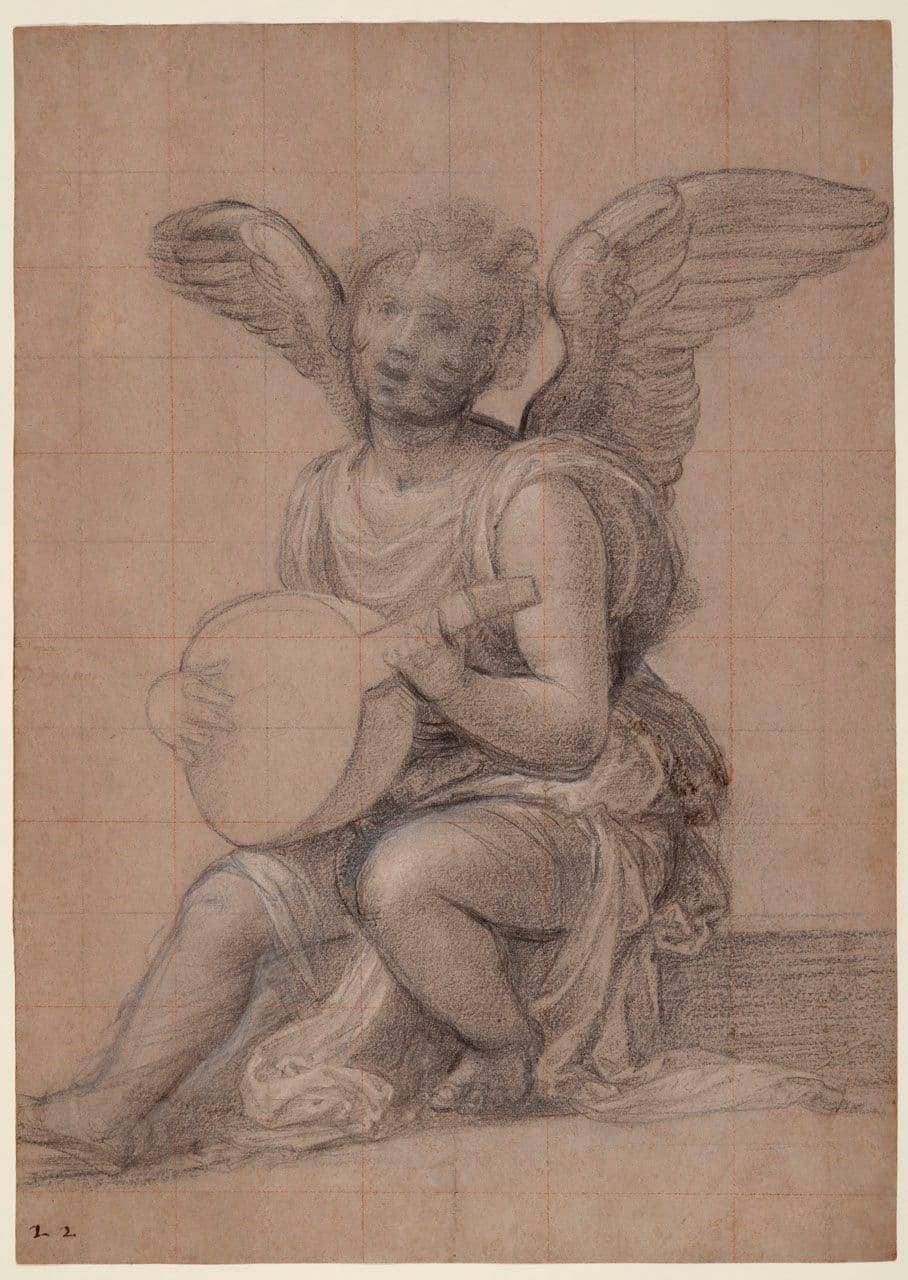
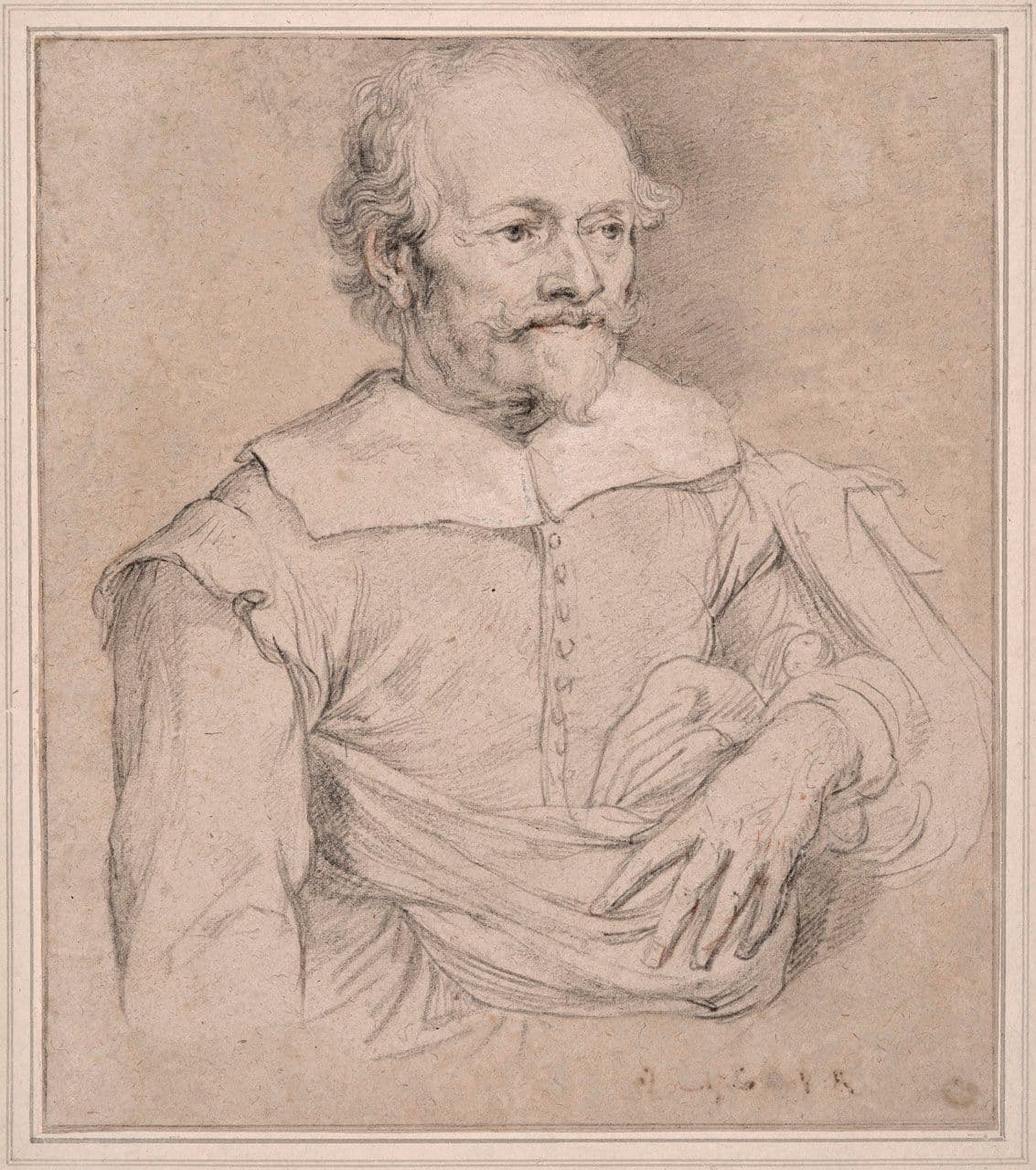
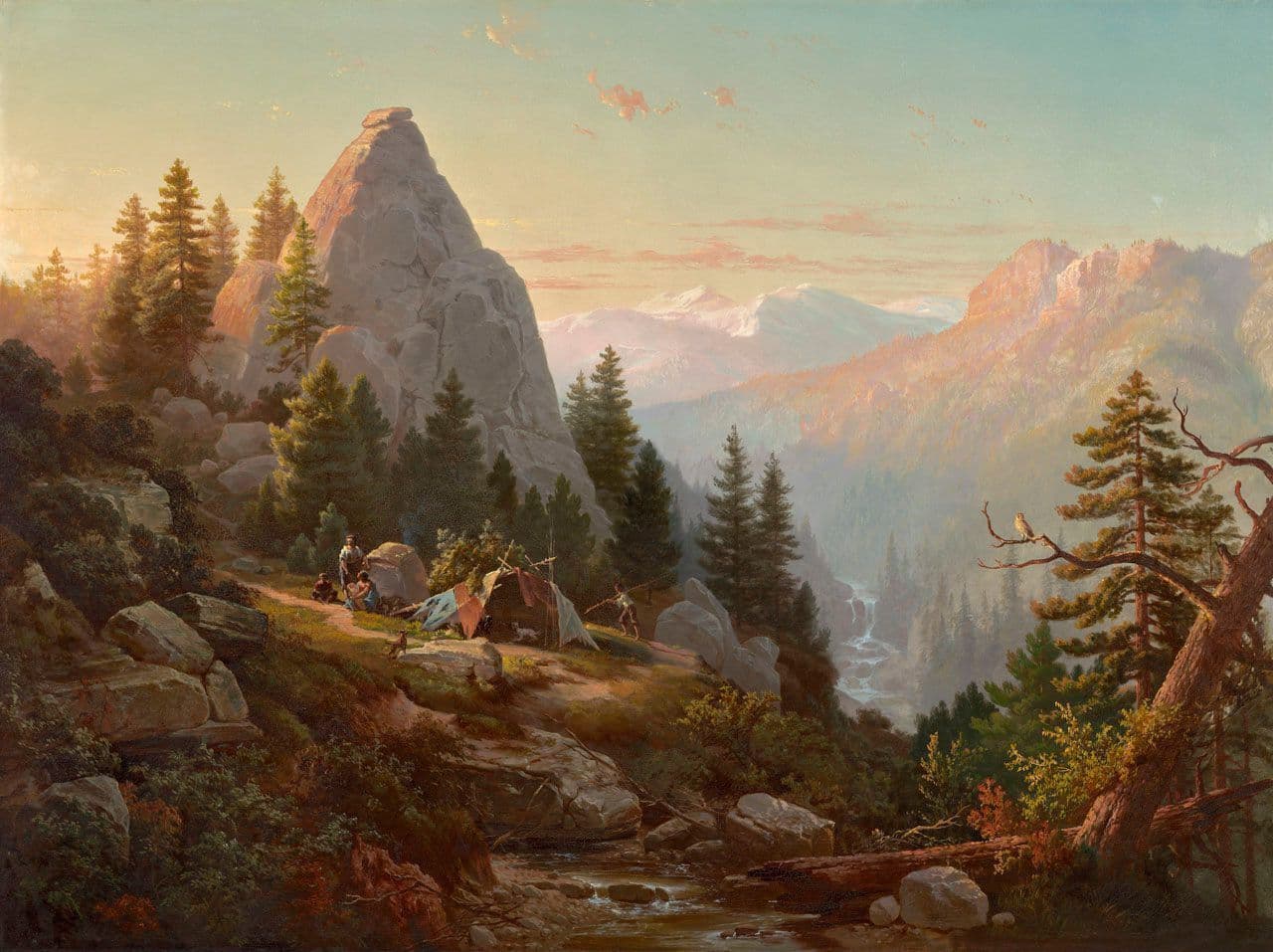
Highlights from the Original Collection

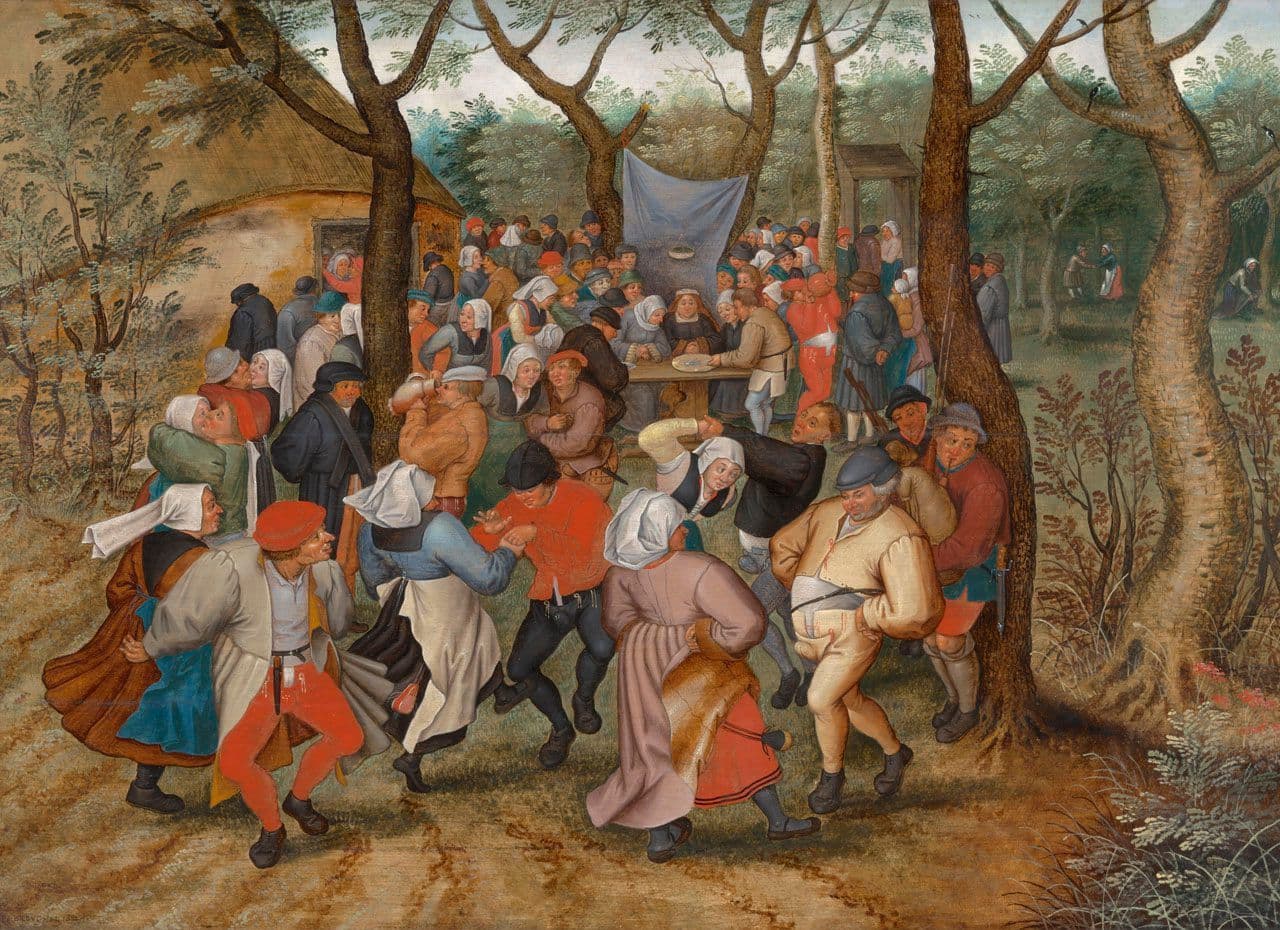
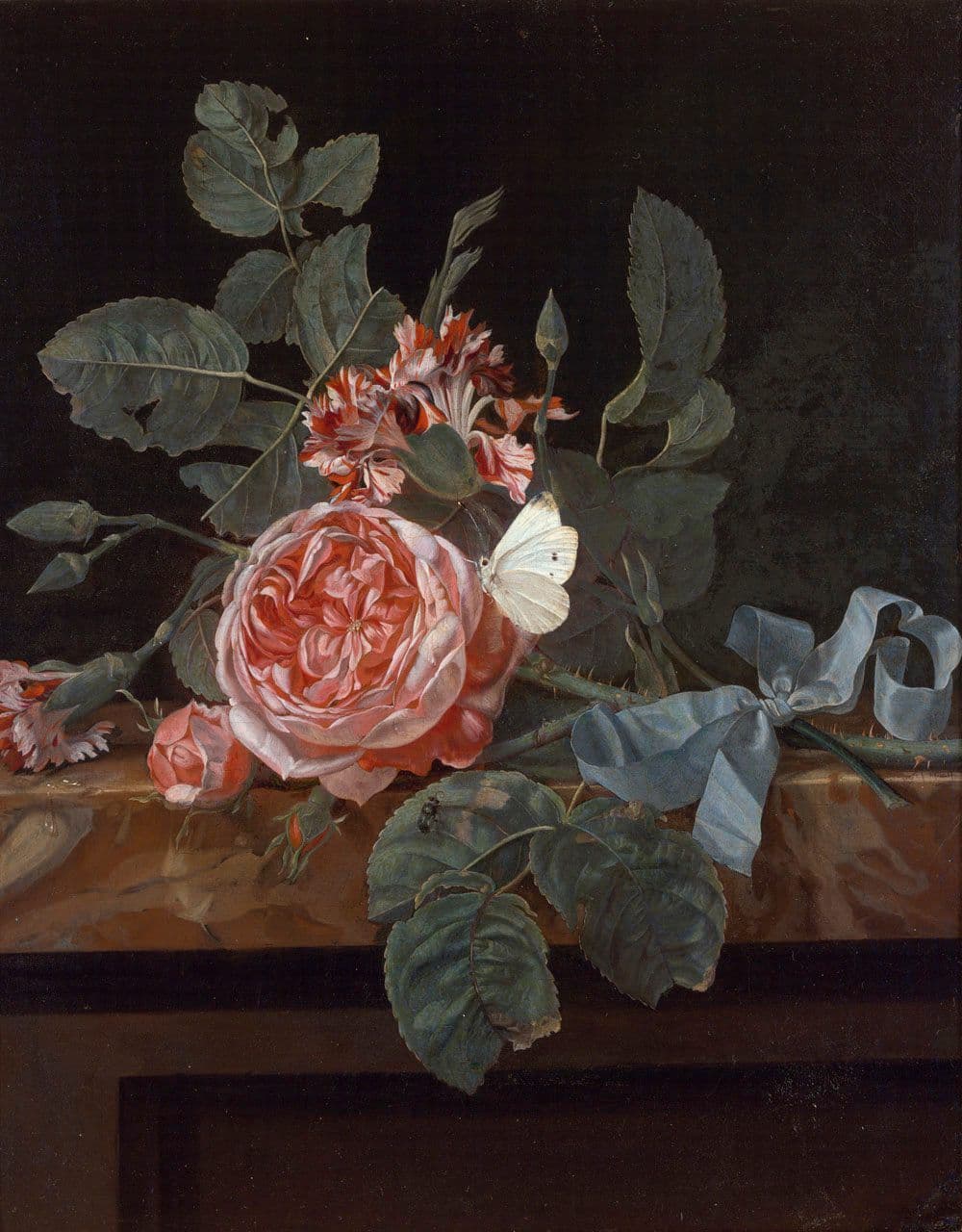

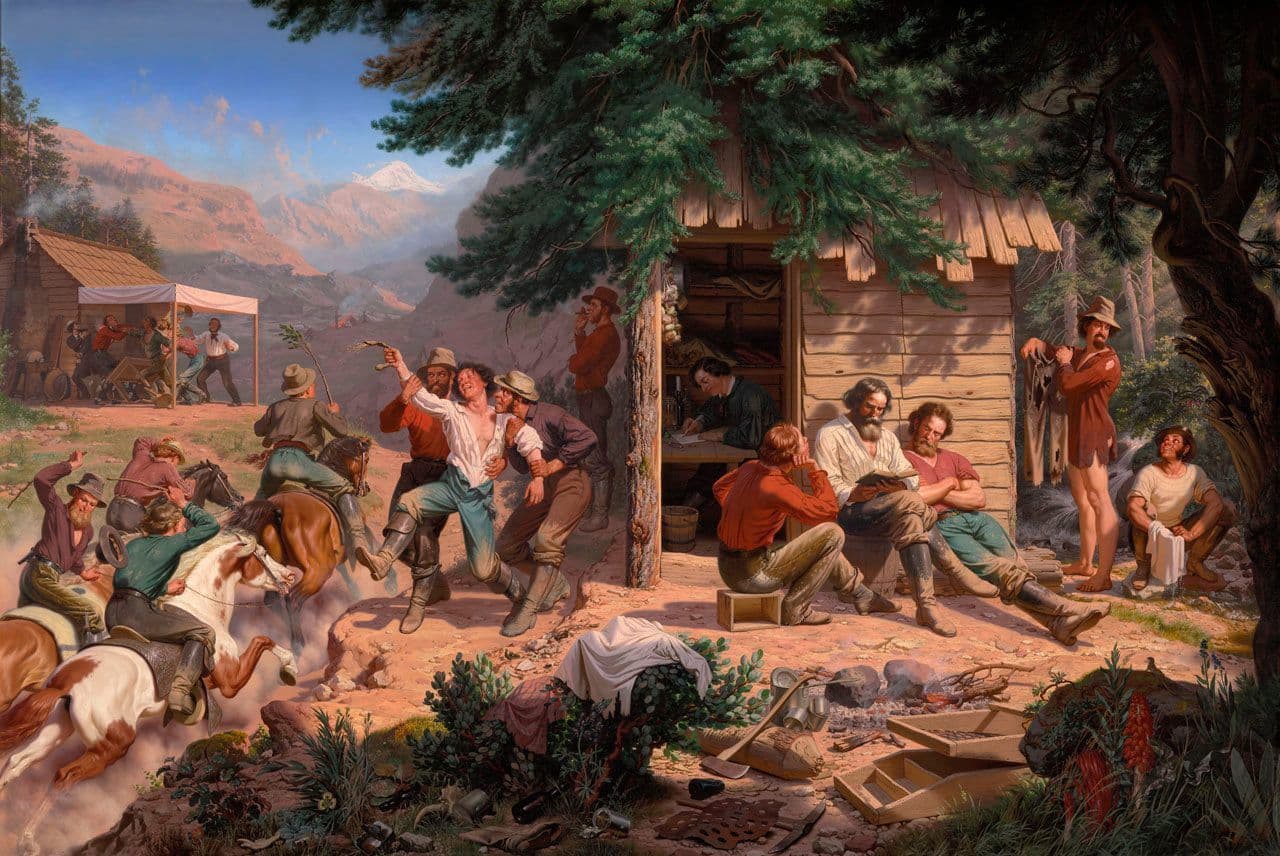
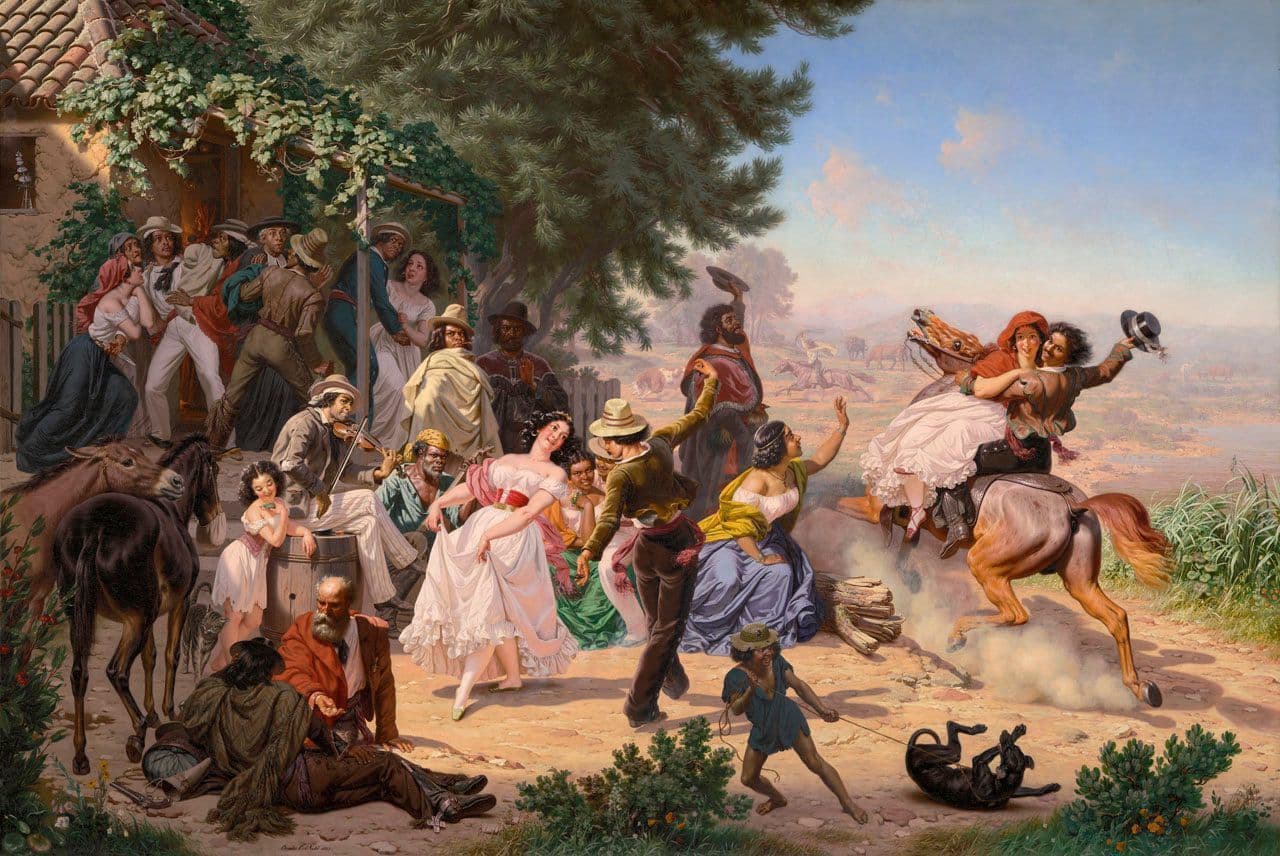
The Big Five
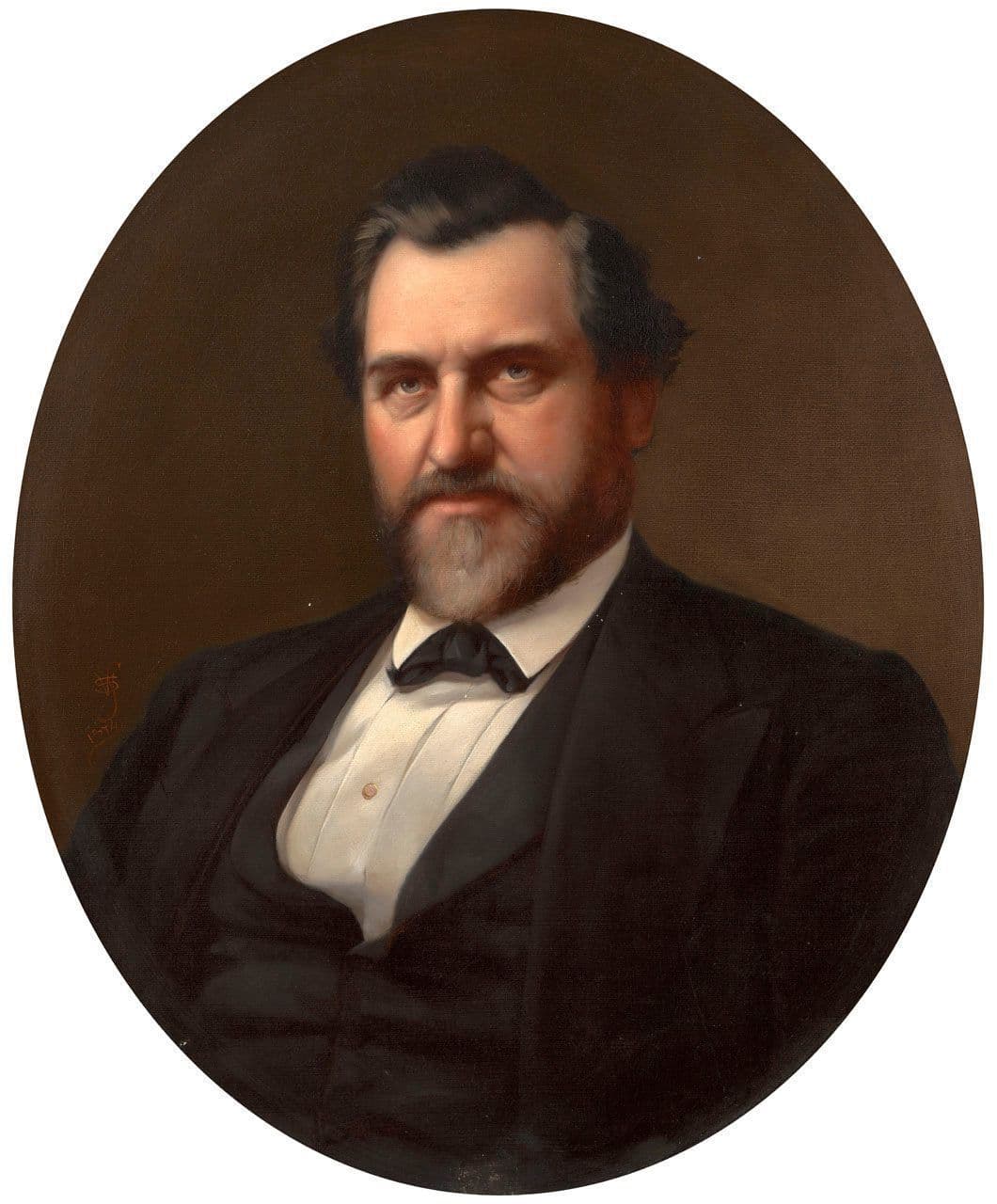
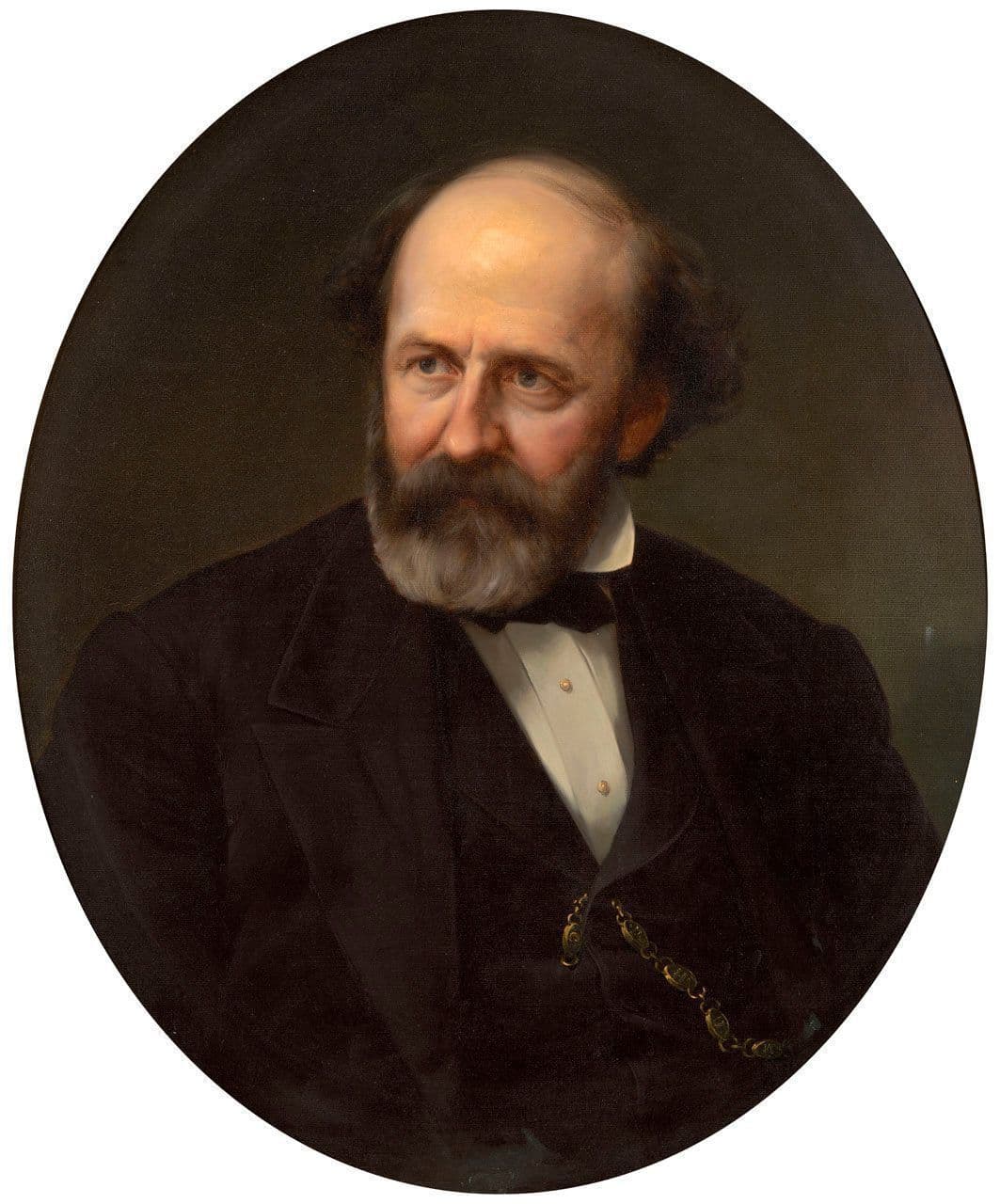
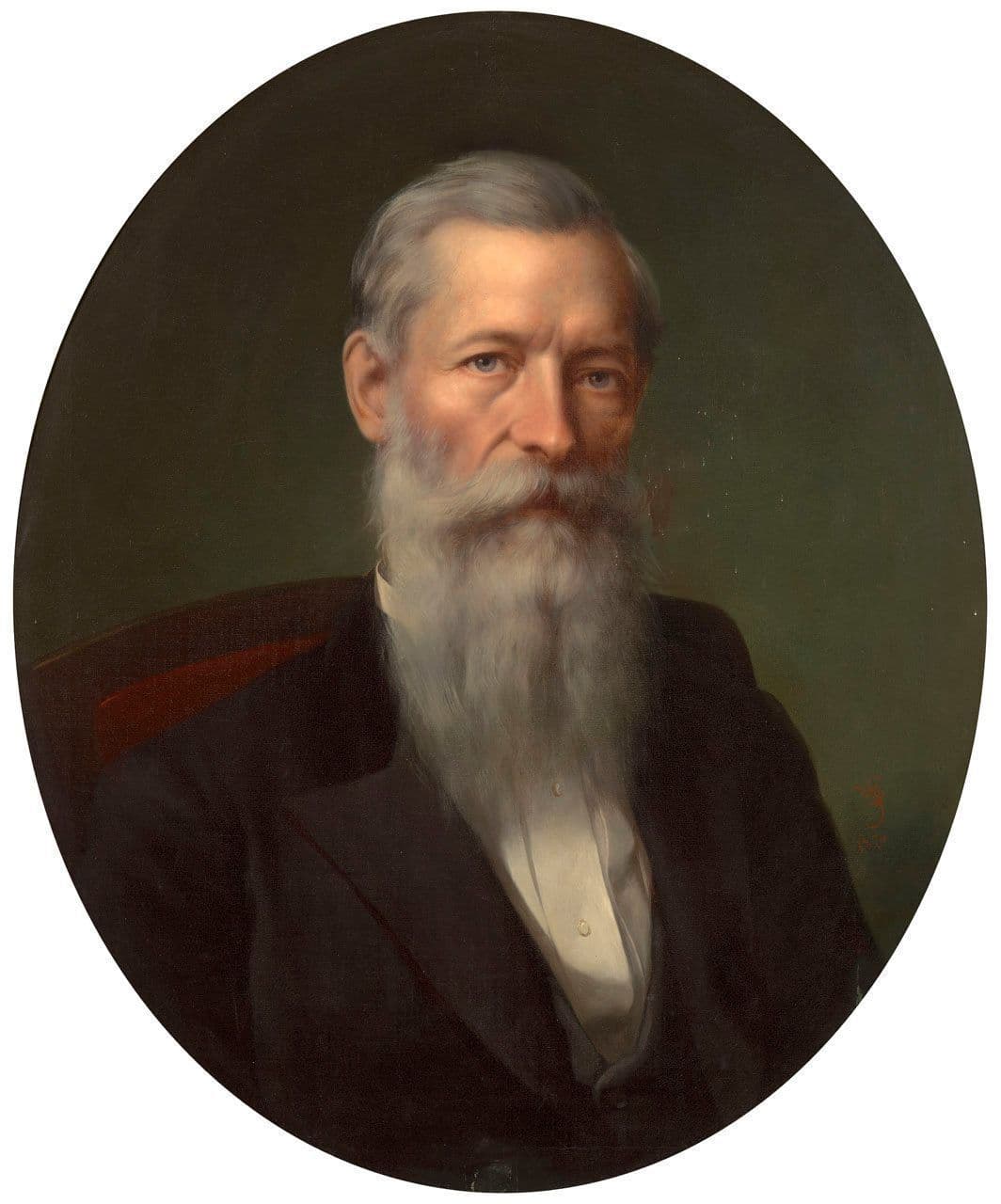
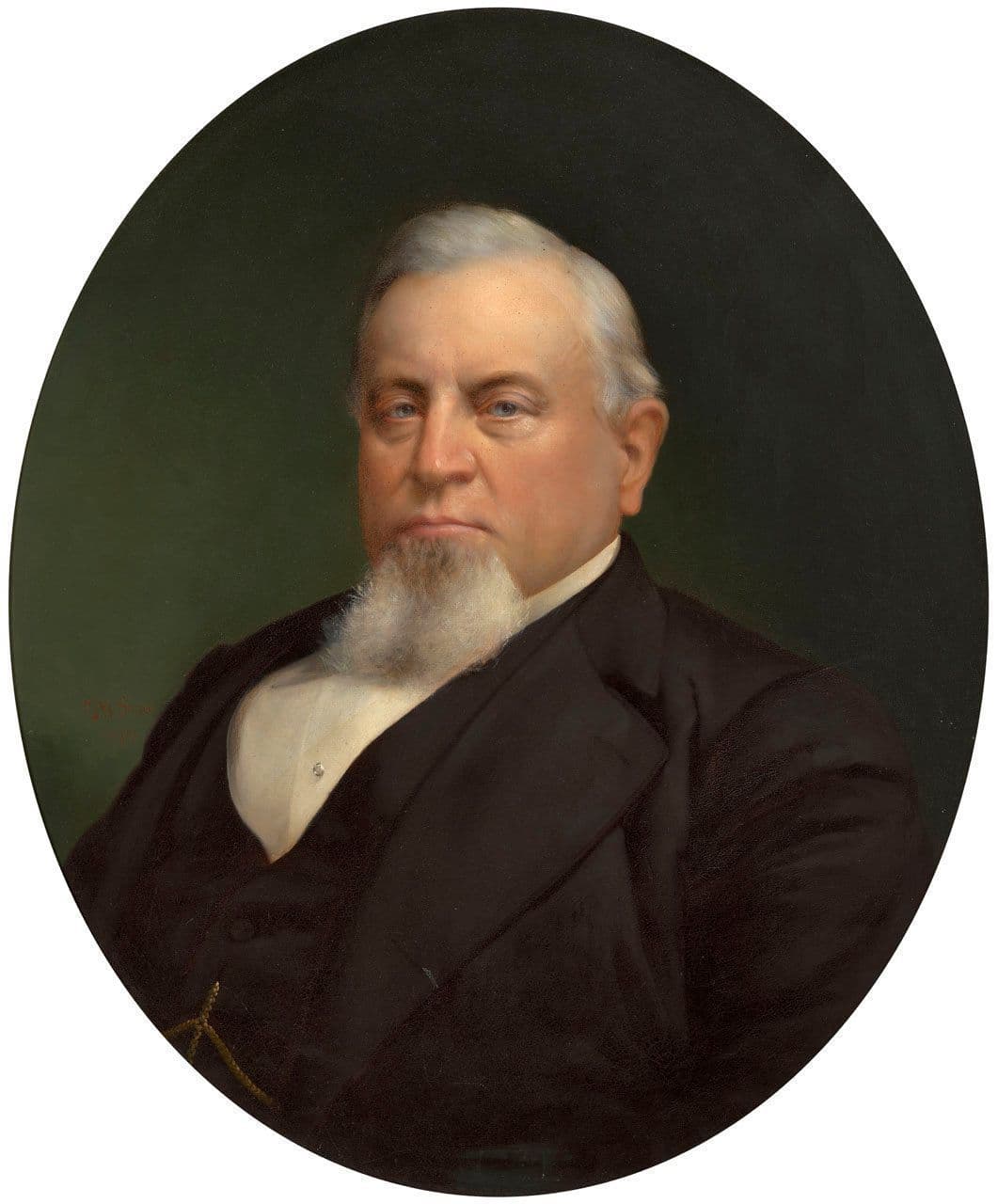
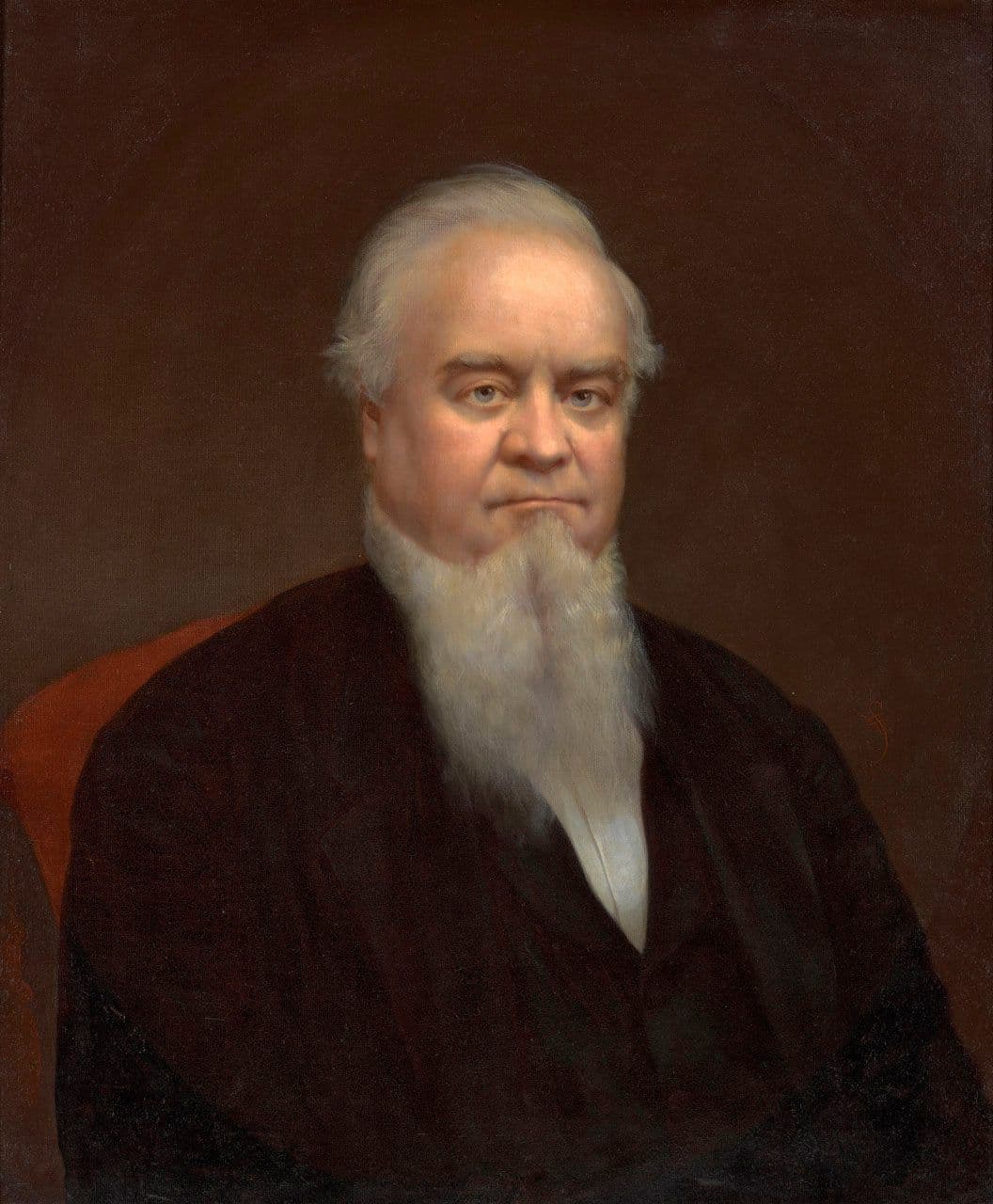
After the creation of the gallery, Judge Crocker commissioned multiple works, including two paintings by Nahl that were to be displayed above each side of the grand staircase. Crocker also commissioned Stephen William Shaw to produce a series of portraits of important figures in California history. Shaw painted various subjects from General Mariano Guadalupe Vallejo to the artist Thomas Hill, as well as the “Big Four” of the Central Pacific Railroad. With the inclusion of the Railroad’s Chief Counsel, E. B. Crocker, Shaw’s portraits of the “Big Five” can be seen below.
Becoming a Museum
In 1884, Margaret began to make plans for the public administration of her private gallery. David Lubin, president of the newly founded California Museum Association, now known as the Crocker Art Museum Association, approached Margaret regarding the use of the E. B. Crocker Art Gallery to hold a fundraising exhibition for the creation of a public museum in Sacramento. During the course of the fundraiser, the community showed so much support for the creation of a museum in Sacramento that Margaret announced her intention to make the gallery a public institution. The public administration of the gallery would be contingent on the raising of $100,000 for the creation of an endowment to ensure the longevity of the gallery. The fundraising did not meet the goal, but Margaret accepted a proposal for the California Museum Association and the city of Sacramento to jointly administer the gallery, an arrangement that continues today.
A floral festival honoring Margaret Crocker for the donation the Gallery was held on May 6th, 1885. City organizations created tributes, including Greek temples, made entirely from flowers. The Crocker’s collection contains some commemorative items from the floral festival, including a monogramed album of prints. David Lubin showed his appreciation by donating four marble sculptures.
California landscape artist, William Franklin Jackson (1850–1936) was appointed the first curator and served as the museum’s director until his passing. In 1886, Jackson was also the head of the Sacramento School of Design, which held art classes in the Crocker ballroom, utilizing plaster casts, live models, and master drawings from the collection for study.
Crocker Family Possessions
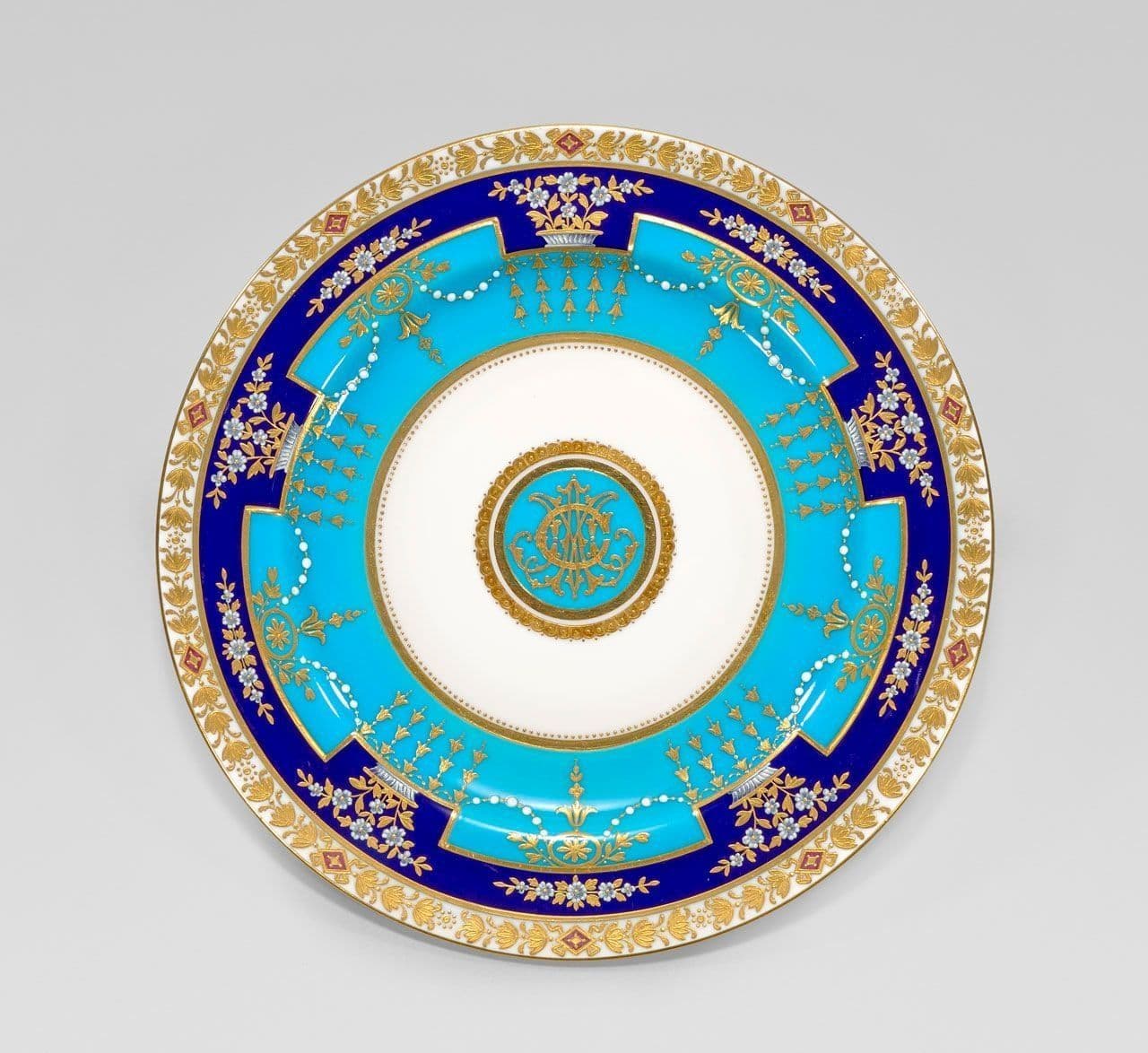
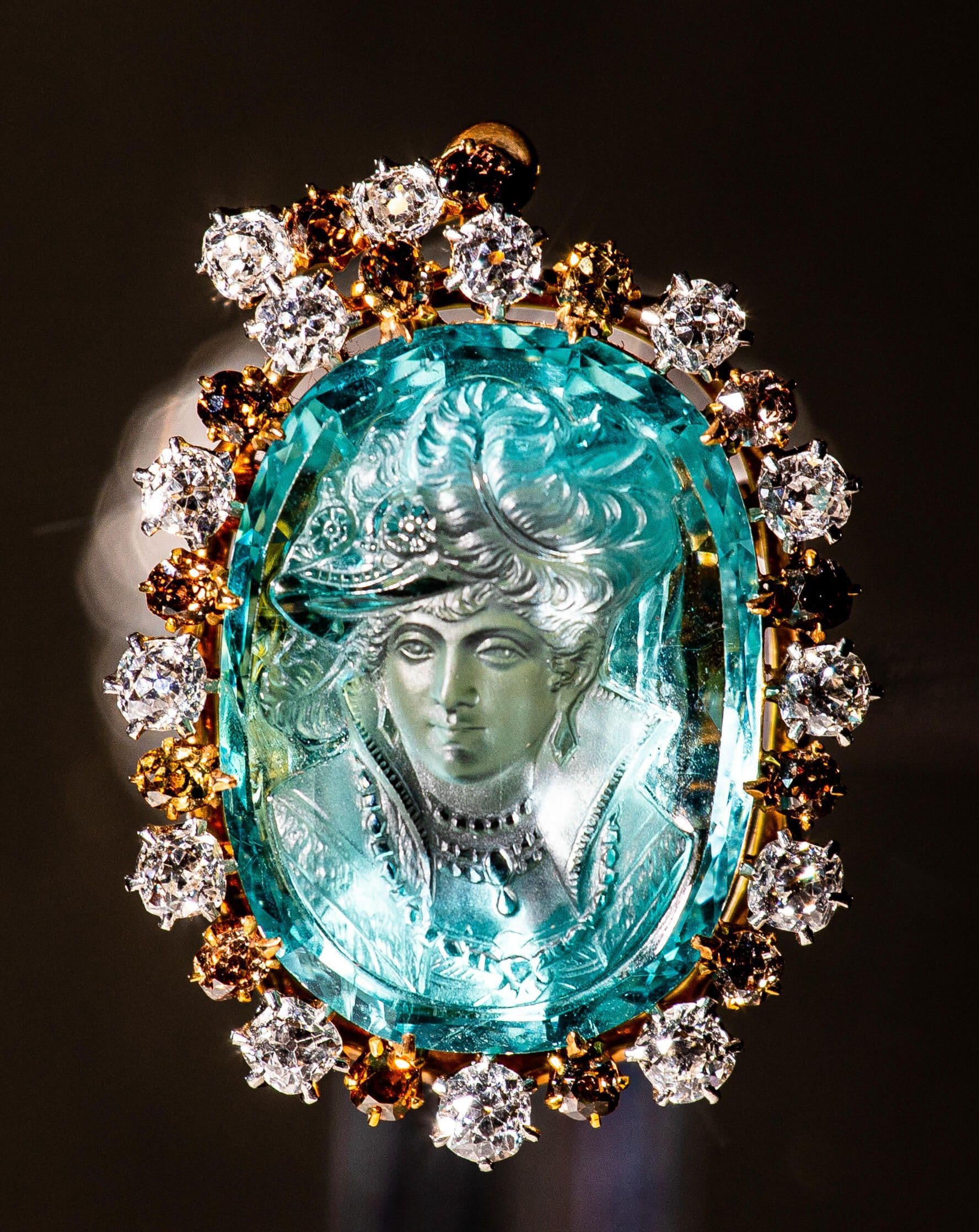
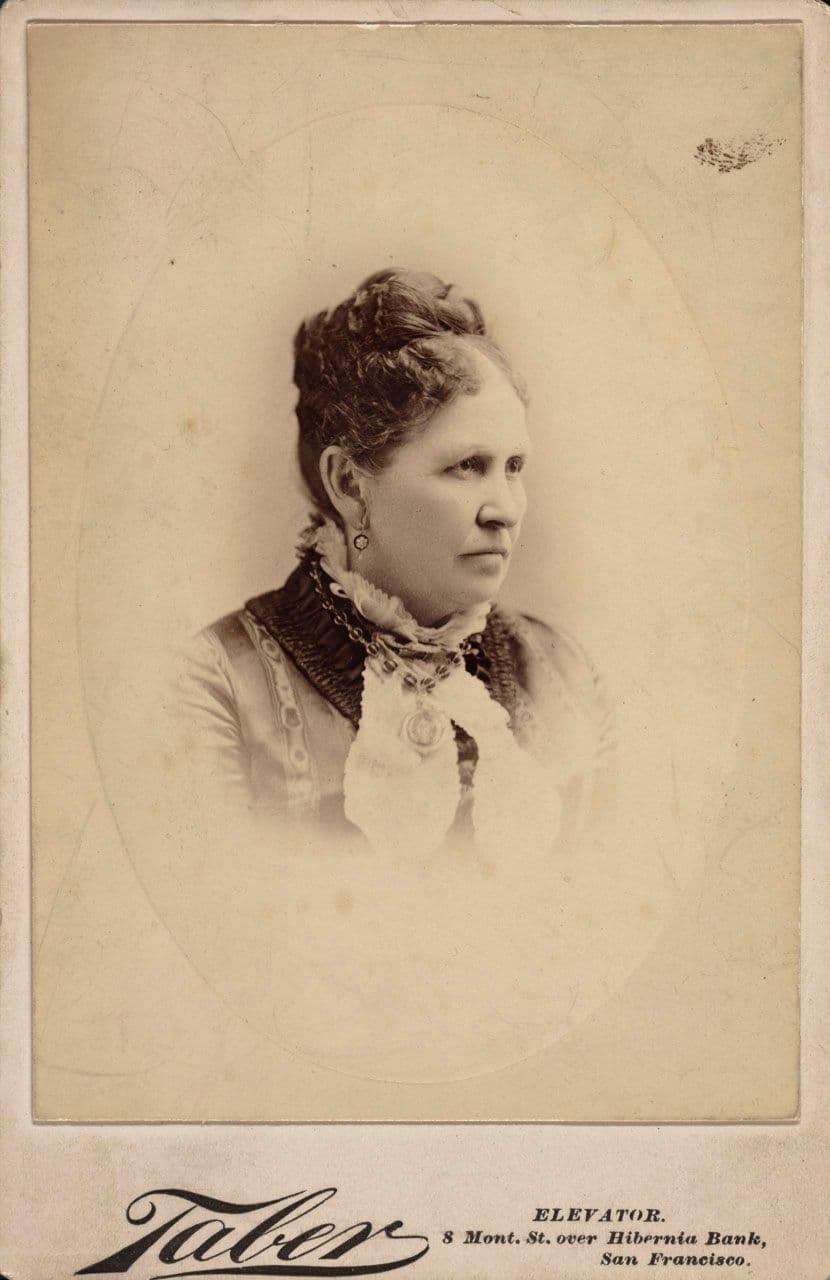
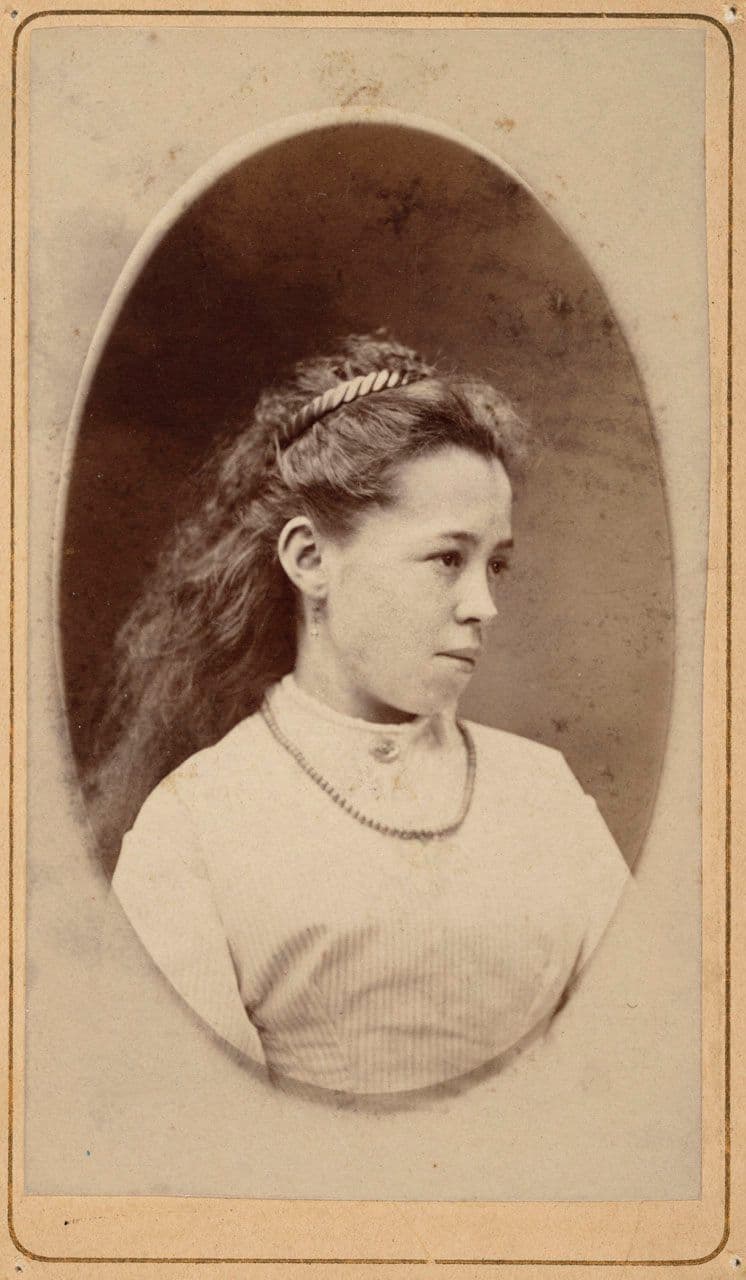
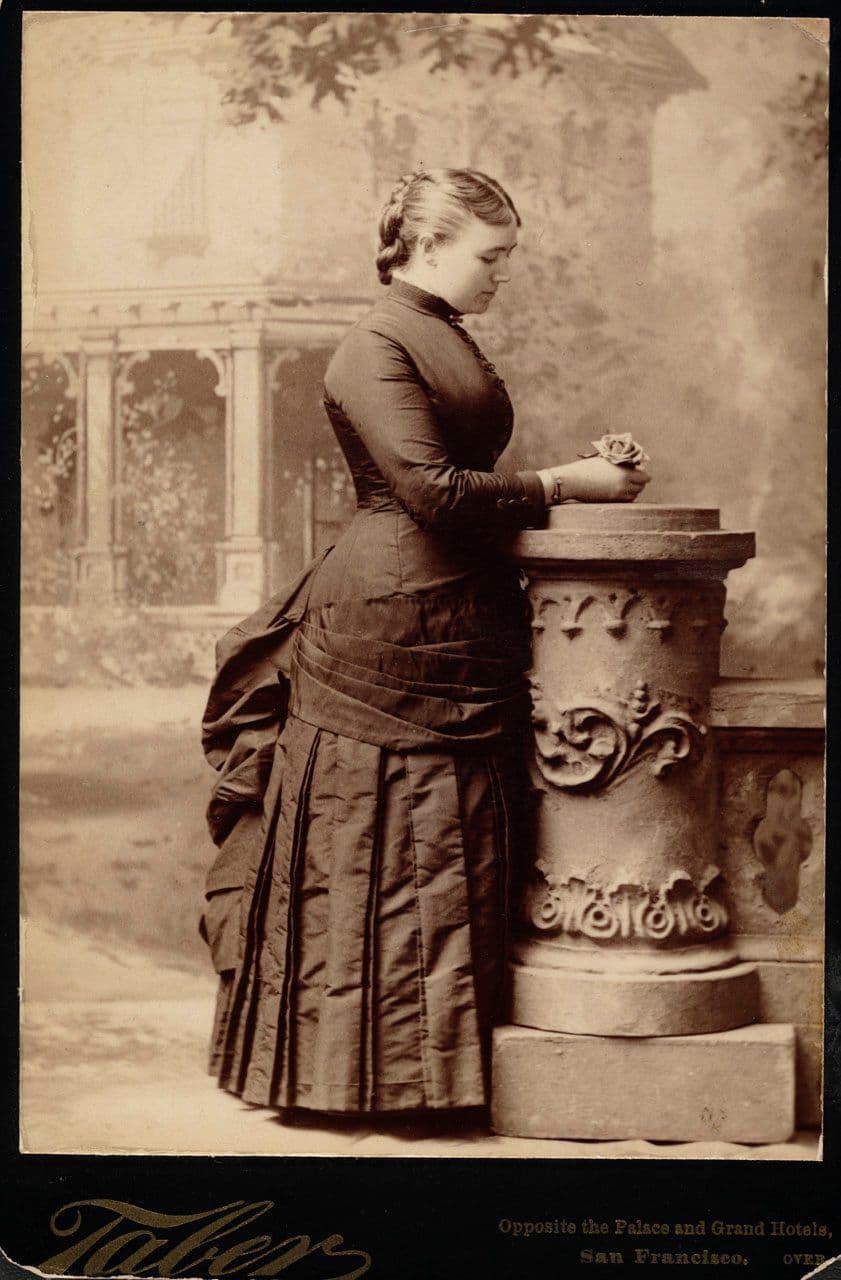
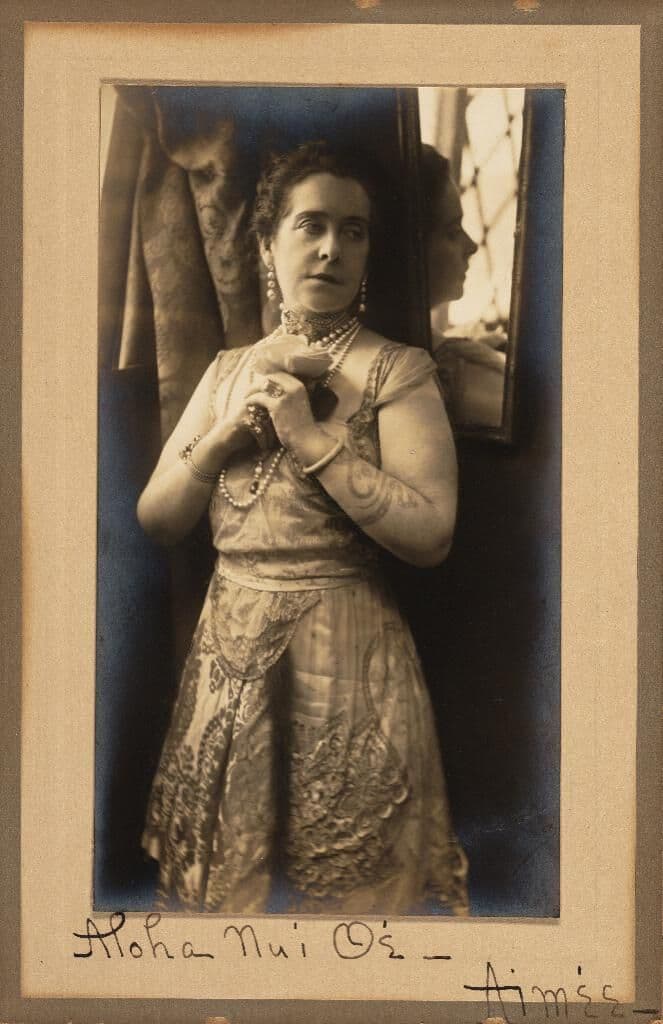
The Crocker’s collection contains iconic furniture and objects owned by the Crockers, their children, and their relatives. Visitors can see the micro-mosaic table in the ballroom and both Judge Crocker’s roll top desk and the family’s regulator clock near the Museum’s original entrance. Later gifts from the Ladies Museum Association brought in possessions of both Aimée Crocker and Jennie Crocker Fasset. Through their clothing, jewelry, place settings, and cabinet card photographs, we can catch a glimpse of what life was like for the Crocker family.