The Sense of Beauty: Six Centuries of Painting from Museum de Arte de Ponce
May 8, 2026
By Sarah Farkas, Associate Curator of Art
FEBRUARY 1 - MAY 24, 2026
"The sense of beauty, the aesthetic quality, is innate in every person and has found expression in various forms throughout history." [1]
On April 25, 1964, Luis A. Ferré, the visionary Puerto Rican industrialist and politician, spoke at the cornerstone ceremony for Museo de Arte de Ponce’s new building, designed by Edward Durell Stone. In his speech, Ferré shared a grand vision for what the museum could offer the people of Puerto Rico, declaring, “Art is not an activity exclusive to a group of odd people. It should be, on the contrary, one of the most significant experiences of the life of the people. The sense of beauty should find expression in . . . creative efforts every day.” [2] Ferré’s principal goal was clear: to build a world-class collection for Puerto Rico that would enrich the lives of ordinary citizens. What began as a group of 71 paintings has since grown to more than 4,500 objects spanning the late Middle Ages to the 21st century, with exceptional holdings by European Old Masters and Victorian artists. [3] Inspired by Ferré’s mission, the bilingual English-Spanish touring exhibition The Sense of Beauty: Six Centuries of Painting from Museo de Arte de Ponce shares this renowned collection with new audiences across the United States.
For this presentation, the Crocker, the exhibition’s only West Coast venue, will transform the historic European galleries—for the first time in decades—to introduce this extraordinary collection to Sacramento. Following earthquake damage in early 2020, Museo de Arte de Ponce closed for repairs, presenting an unprecedented opportunity to travel the best objects from its holdings—some leaving Puerto Rico for the first time since they were acquired. The exhibition, originated by curator Iraida Rodríguez-Negrón, presents five thematic sections, with titles derived from Ferré’s 1964 address: Religious Inspiration, The Life of the People, The Natural Landscape, Human Sensibility, and The Cult of Beauty, together spanning 600 years of artistic production across Europe, North America, and Puerto Rico.
Religious Inspiration
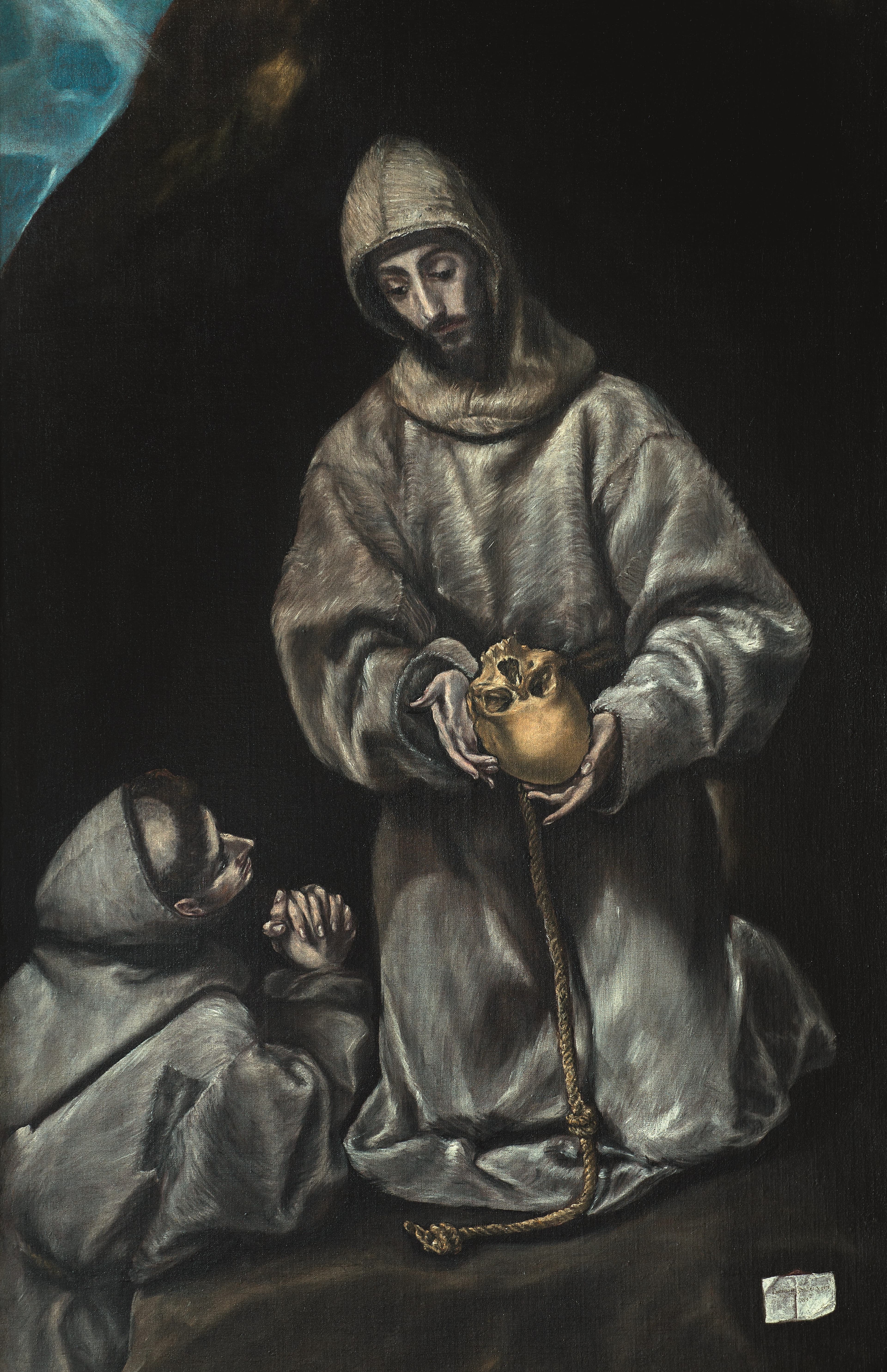
Many of the earliest inclusions to the show can be found in “Religious Inspiration,” where visitors will encounter luminous works by 16th- and 17th-century artists. Highlights include the celebrated Baroque painter Peter Paul Rubens and his esteemed student Anthony van Dyck, José Campeche y Jordán (one of the earliest-known Puerto Rican painters), and Elisabetta Sirani, the accomplished Italian painter and a rare early female professional artist, whose work is also part of the Crocker’s permanent collection. Among the most striking devotional images in this section is Saint Francis of Assisi in Meditation with Brother Leo (circa 1600–1605) [fig. 2] by Doménikos Theotokópoulos, more widely known as El Greco. A critical figure in Spanish art of the 16th century, El Greco inspired viewers through highly stylized figures, often at a large scale. El Greco completed nearly 30 versions of this composition, wherein the founder of the Franciscan order, known for his vow of poverty, is presented next to his close companion Brother Leo. The dramatic lighting and elongated forms are hallmarks of El Greco’s otherworldly manner, which are meant to enhance the viewer’s meditative experience. [4]
The Life of the People
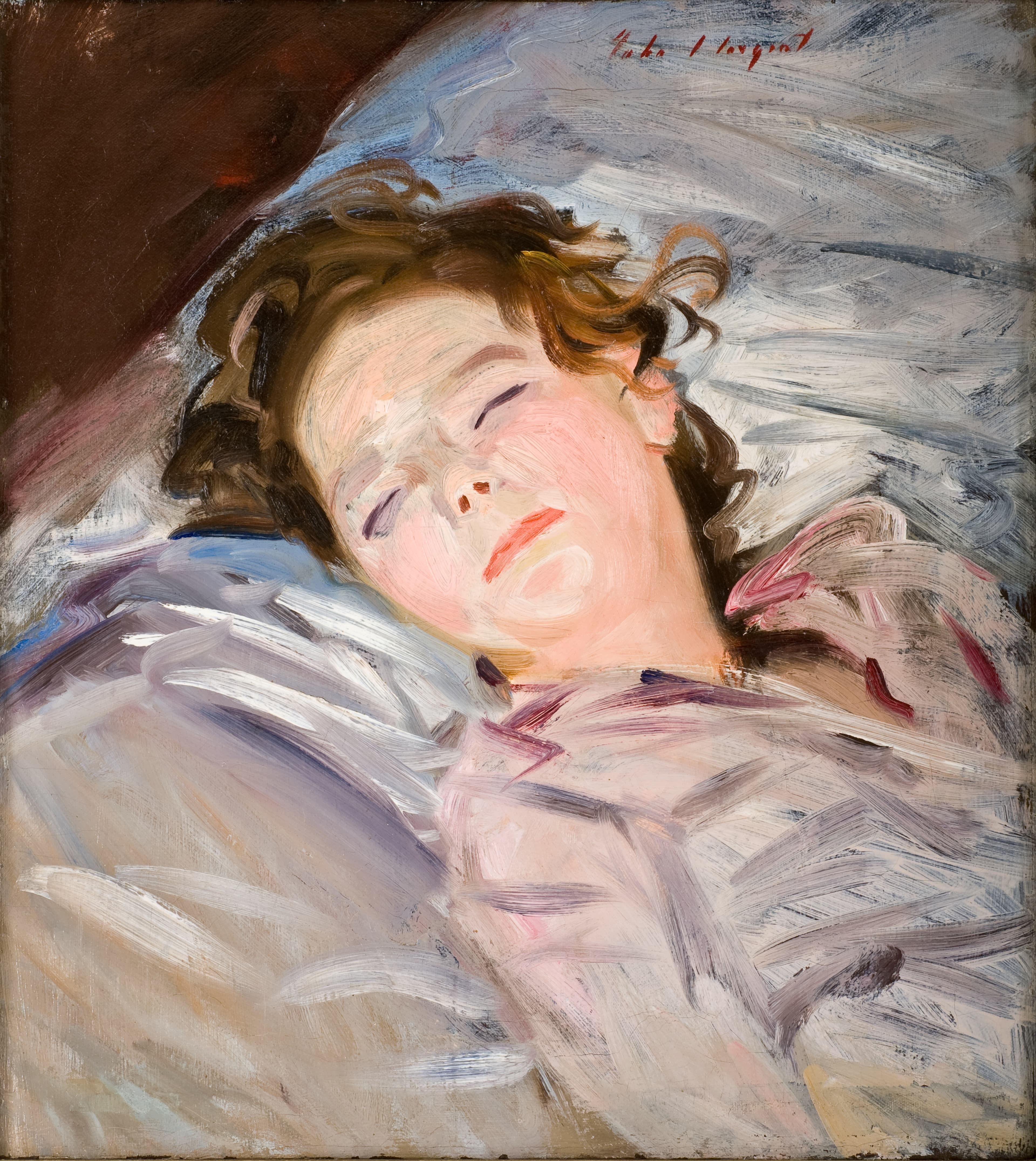
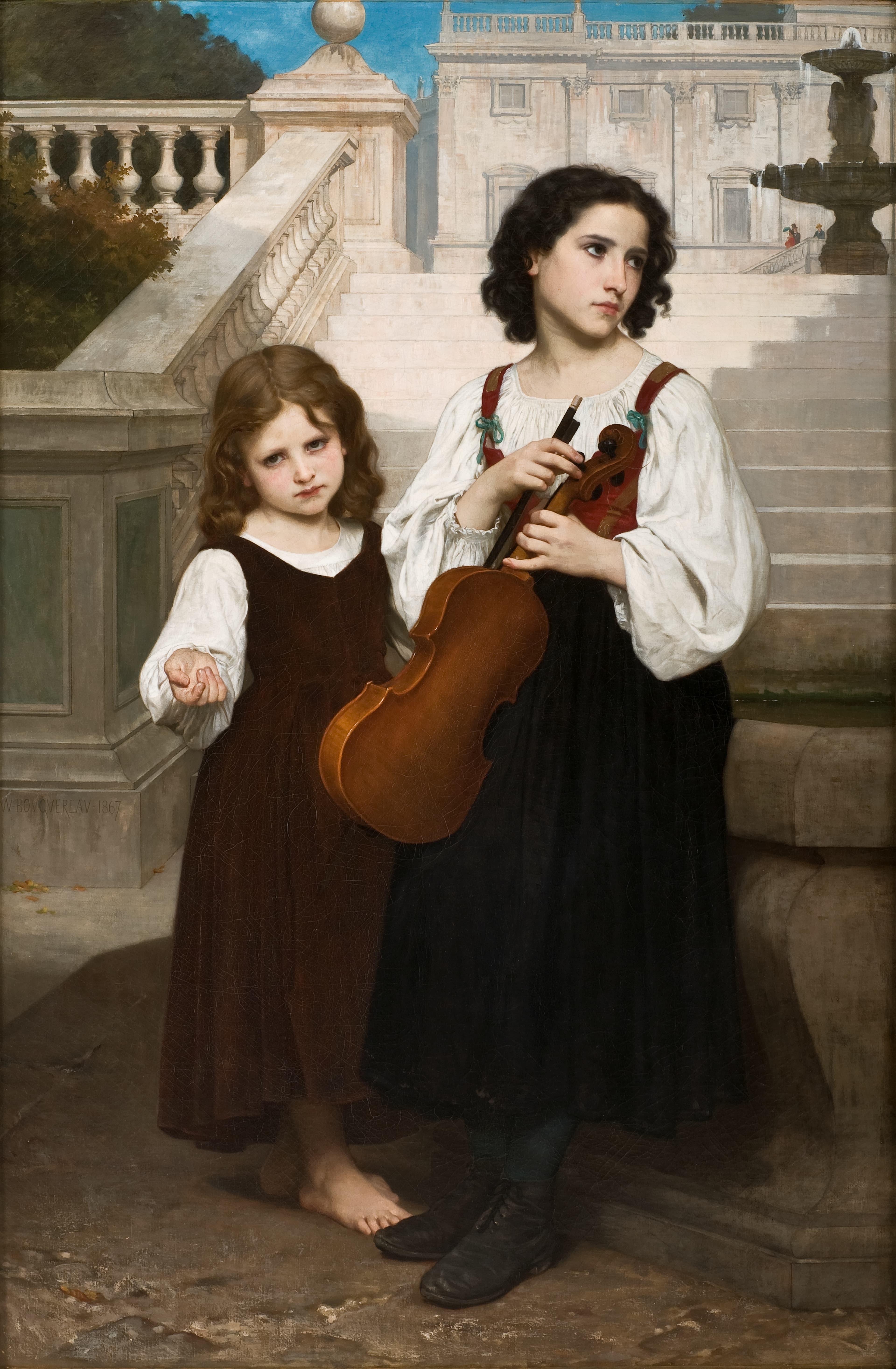
Turning from the sacred to the everyday, genre scenes shift the focus to quiet pleasures and moments of contemplation. Sleeping Girl (circa 1890) [fig. 3] by John Singer Sargent, for instance, evokes the stillness of slumber through loose brushstrokes and pastel colors that mimic the effects of natural light—a hallmark of the European Impressionists he knew and studied with in Paris. [5] In contrast, William-Adolphe Bouguereau’s Far from Home (1868) [fig. 4] features a highly polished rendering of human subjects, presenting a romanticized vision of impoverished youth, intended to engender empathy. Compositions by James Tissot and Sir John Everett Millais further illustrate the range of techniques employed in the 19th century to grapple with daily life, whether through sensation and empathy or harmony, idealism, and technical precision.
The Natural Landscape
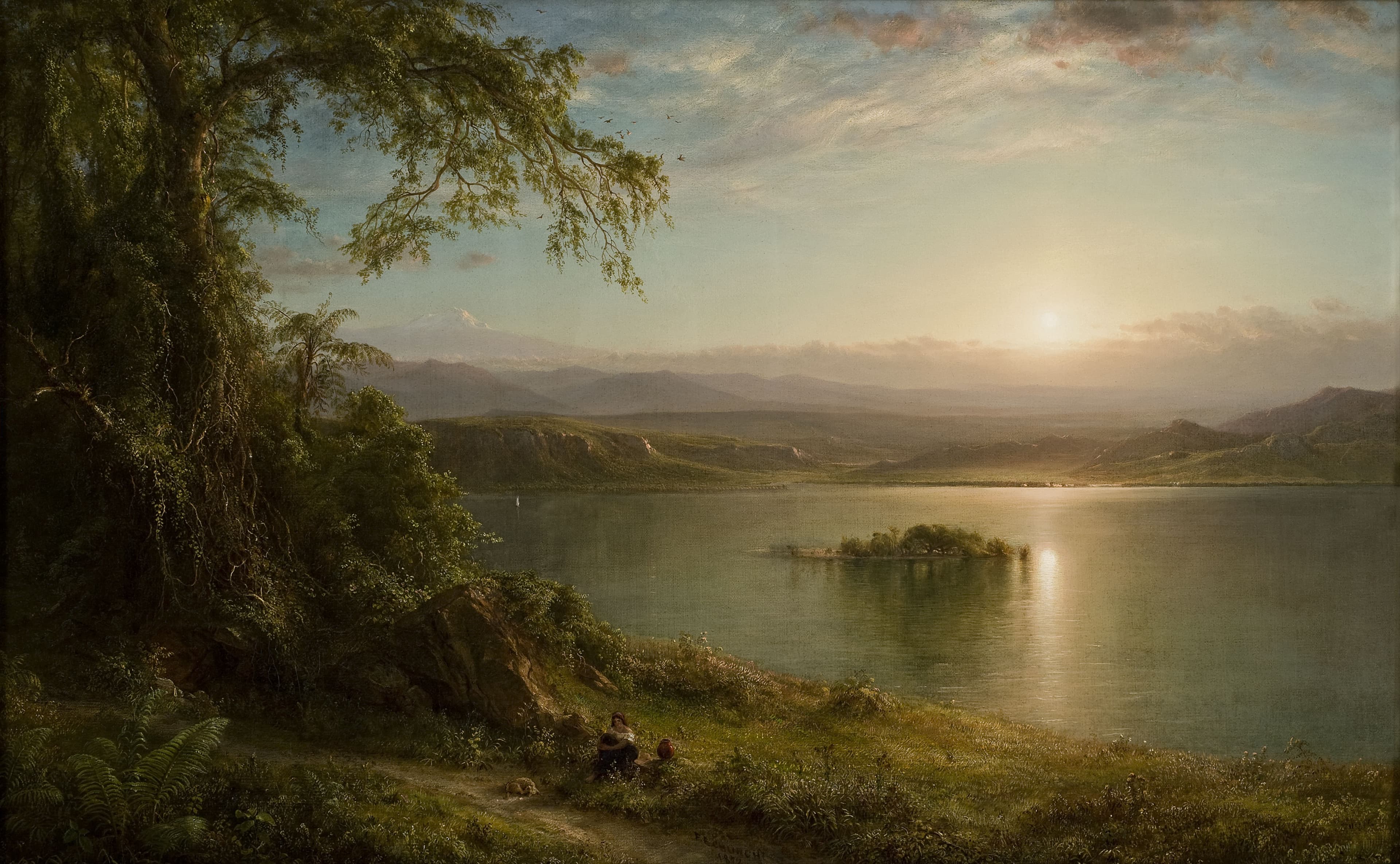
Just as artists found inspiration in human endeavors, varied depictions of the outside world in this exhibition chart the evolution of the landscape from its earliest emergence as an independent genre in the 17th century to 20th-century issues of industrialism and environmentalism. Frederic Edwin Church, a leading figure of the Hudson River School, reveals in Morning in the Tropics (1872) [fig. 1] the influence of his travels to Central and South America on his art. Glowing early light—representing God’s grace—radiates across a clear landscape practically devoid of human interference, save for a small, camouflaged woman with a ceramic pot, a stand-in for the Indigenous population. Church’s landscape invites the viewer to delight in the sublime beauty of nature, while simultaneously provoking wonder at the possibility of further exploration of a wilderness untouched by American and European colonization.
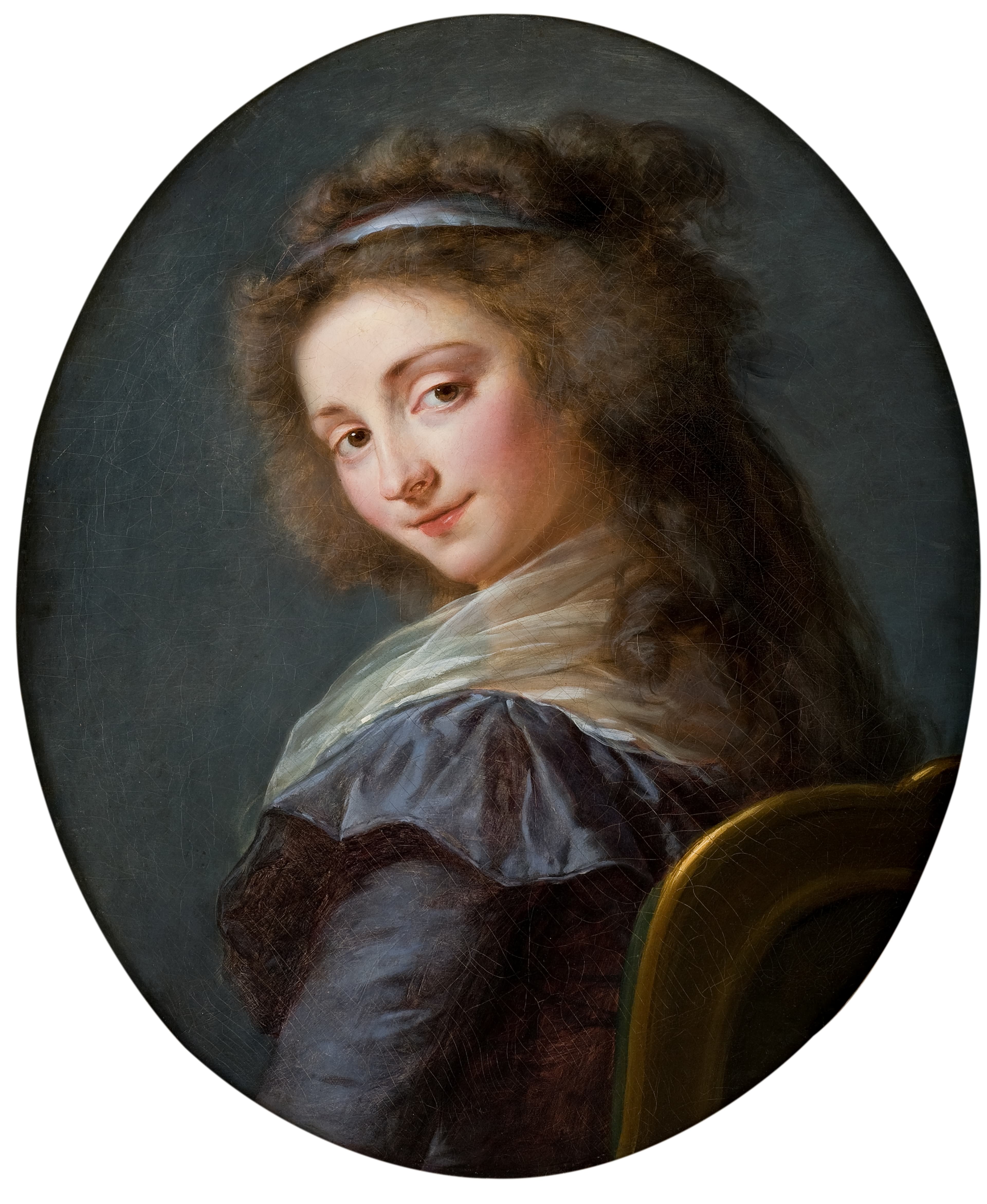
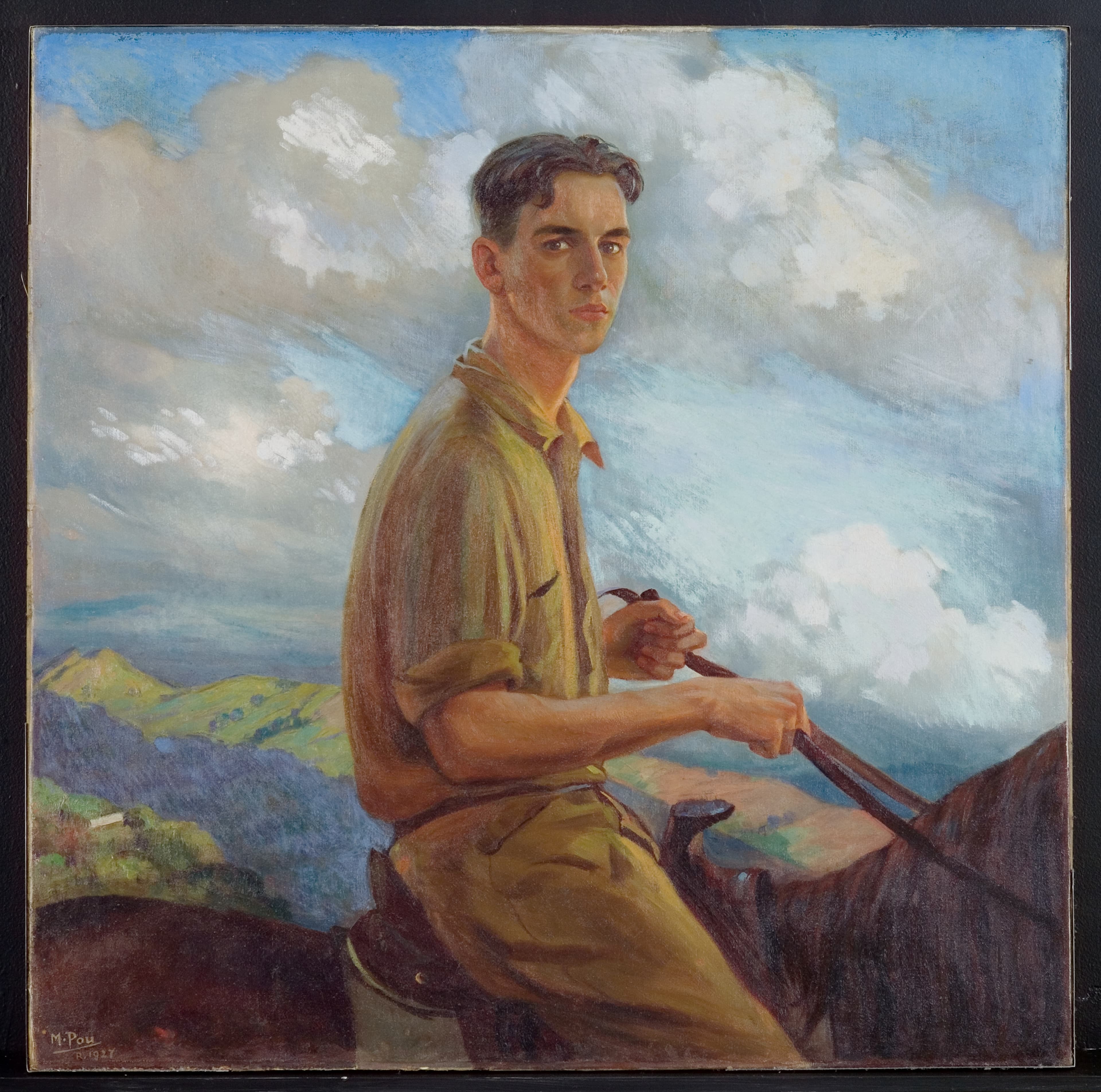
FIG 5 oval portrait of countess and 6 my son jaime
Human Sensibility
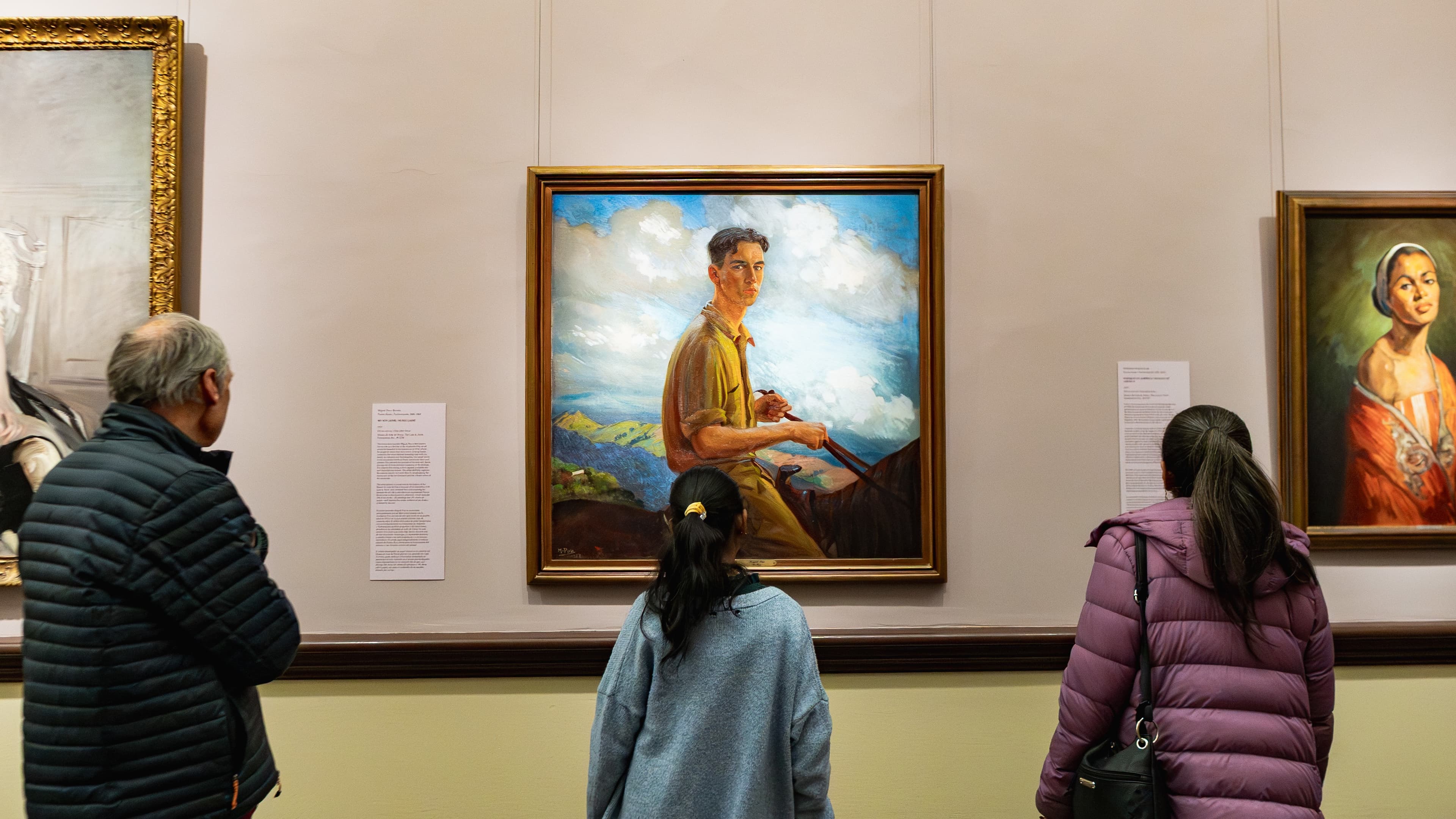
While the landscapes consider the relationship between nature and humanity, “Human Sensibility” reflects on the nature of the individual through portraits by influential artists such as Anthonis Mor, Sir Joshua Reynolds, Thomas Gainsborough, and Francisco de Goya. An oval portrait of the Countess of Chatenois (1785) [fig. 5] by Élizabeth-Louise Vigée Le Brun, one of the most consequential female portraitists of 18th-century France, was the first work by a woman to enter Museo de Arte de Ponce’s collection. [6] Throughout the exhibition, notable European and American examples are in dialogue with 20th- and 21st-century Puerto Rican art. Miguel Pou y Becerra, for example, was among the earliest group of Puerto Rican artists in the 20th century to study abroad. His tender portrait My Son Jaime (1927) [fig. 6] is a father’s reflection on summers spent in the mountains near Adjuntas and Barranquitas with his family. [7] The blue-green landscape in the distance recalls atmospheric techniques developed in early modern Europe, exemplified in the 17th century by Jan Both and Claude Lorrain, whose work also appears in this show.
The Cult of Beauty
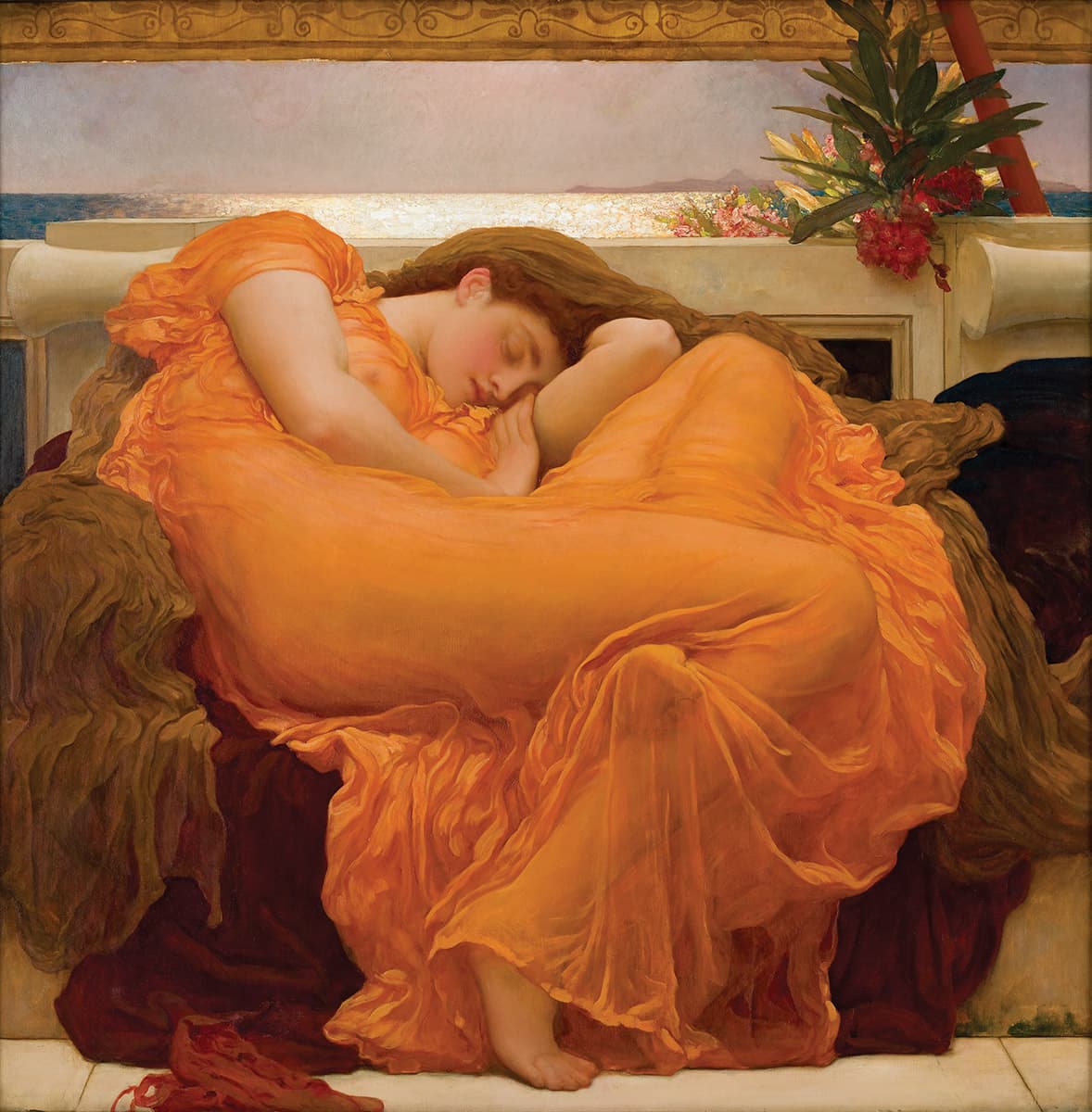
The exhibition culminates with Frederic, Lord Leighton’s iconic Flaming June (1895) [fig. 7], the centerpiece of “The Cult of Beauty,” a celebration of art’s pursuit of beauty for its own sake. Though not an official member, Leighton associated with the Pre-Raphaelite Brotherhood, a Victorian-era group that sought a return to the aesthetics of the medieval and early Renaissance periods, before the influence of High Renaissance artists such as Raphael (Italian, 1483–1520). While Flaming June’s jewel-like colors and the shimmering light on a Mediterranean landscape relate to the aesthetics of the Pre-Raphaelites, Leighton also demonstrates his intense interest in Classical and Renaissance precedents. The monumental sleeping woman in her diaphanous dress, for instance, references Michelangelo and the motif of so-called “wet-drapery,” first developed in ancient Greek sculpture and revived in the later Renaissance and Baroque periods. [8] In a rare opportunity to see this distinguished collection outside of Puerto Rico, The Sense of Beauty not only introduces the Museo de Arte de Ponce to new audiences but also fosters a deeper understanding of the shared themes and ideals that unite artists across centuries and cultures. Moreover, this presentation ultimately fulfills Ferré’s original vision, reminding viewers that “A work of art is not created for the museum. It is created to become part of the life of the people, to live with them, and to inspire and excite them daily.”[9]
Notes
Luis A. Ferré, “Cultivate the Sense of Beauty,” in The Sense of Beauty: Six Centuries of Painting from Museo de Arte de Ponce, exh. cat., ed. Iraida Rodríguez-Negrón, trans. Andrew Hurley and Laura Sofía Hernández González (Museo de Arte de Ponce, 2025), 11.
Ferré, “Cultivate the Sense of Beauty,” 11–12.
Iraida Rodríguez-Negrón, “‘Our Museum Is a Dream Come True’: Luis A. Ferré and His Collection for Puerto Rico,” in Rodríguez-Negrón, The Sense of Beauty, 18.
Iraida Rodríguez-Negrón, The Sense of Beauty, 50.
Rodríguez-Negrón, The Sense of Beauty, 86.
Rodríguez-Negrón, “Our Museum Is a Dream Come True,” 21.
Rodríguez-Negrón, The Sense of Beauty, 144.
Rodríguez-Negrón, The Sense of Beauty, 160.
Ferré, “Cultivate the Sense of Beauty,” 12.