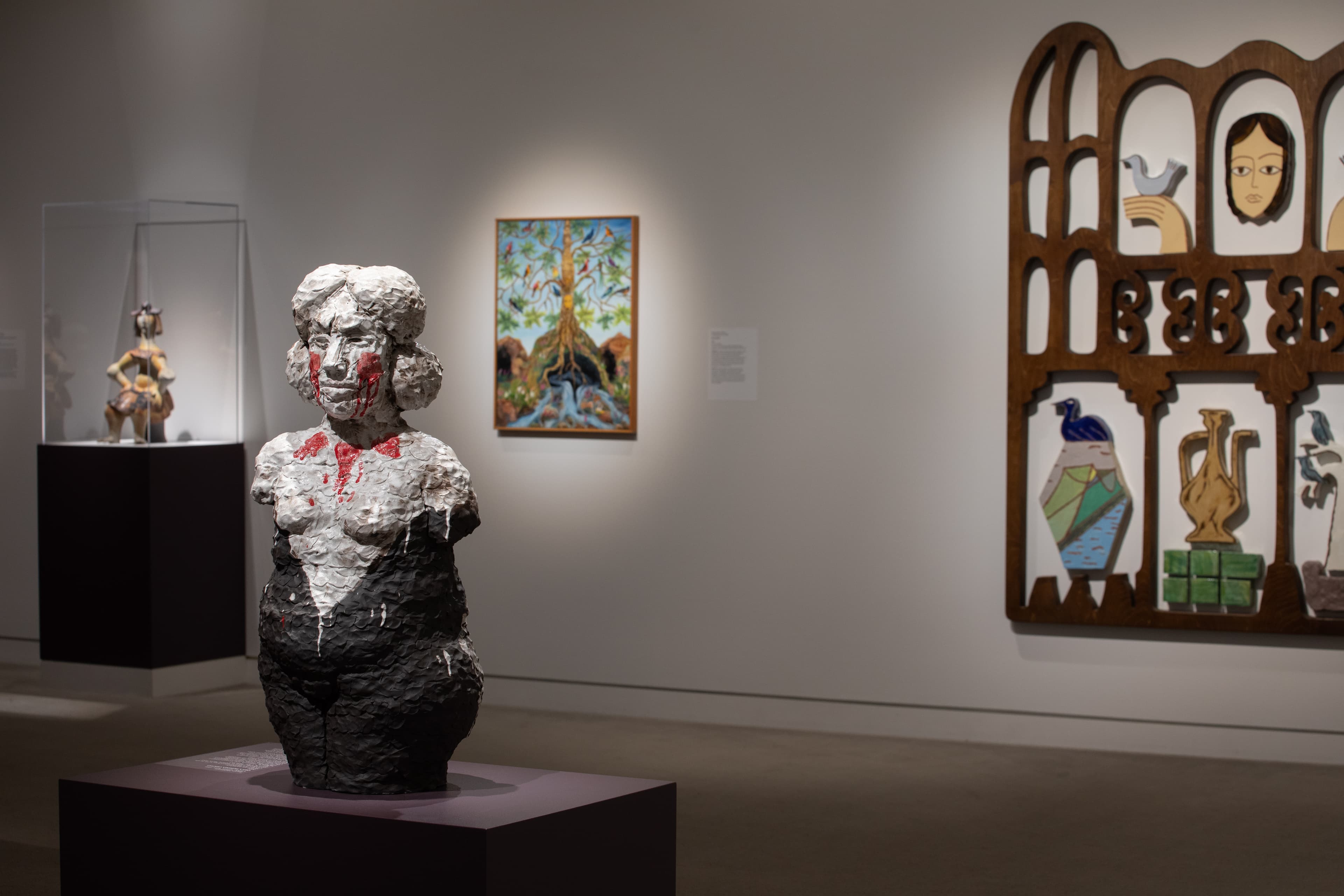
Spanning figurative depictions to abstract expressions, Making Moves: A Collection of Feminisms—on view through May 3, 2026—explores the evolving complexities of femininity and feminism that have shaped the artworks of artists for generations.
The exhibition features an international and multigenerational group of artists, including Frida Kahlo, Mary Cassatt, Betye Saar, Rupy C. Tut, Judy Chicago, Deana Lawson, Ester Hernandez, Joan Brown, Corita Kent, Viola Frey, Koo Kyung Sook, and Dora De Larios, among others. To celebrate the opening of Making Moves, co-curators Sara Morris and Francesca Wilmott reflect on the collaborative ethos of the exhibition, their research into the Crocker’s collection, and vital connections between the past and present.
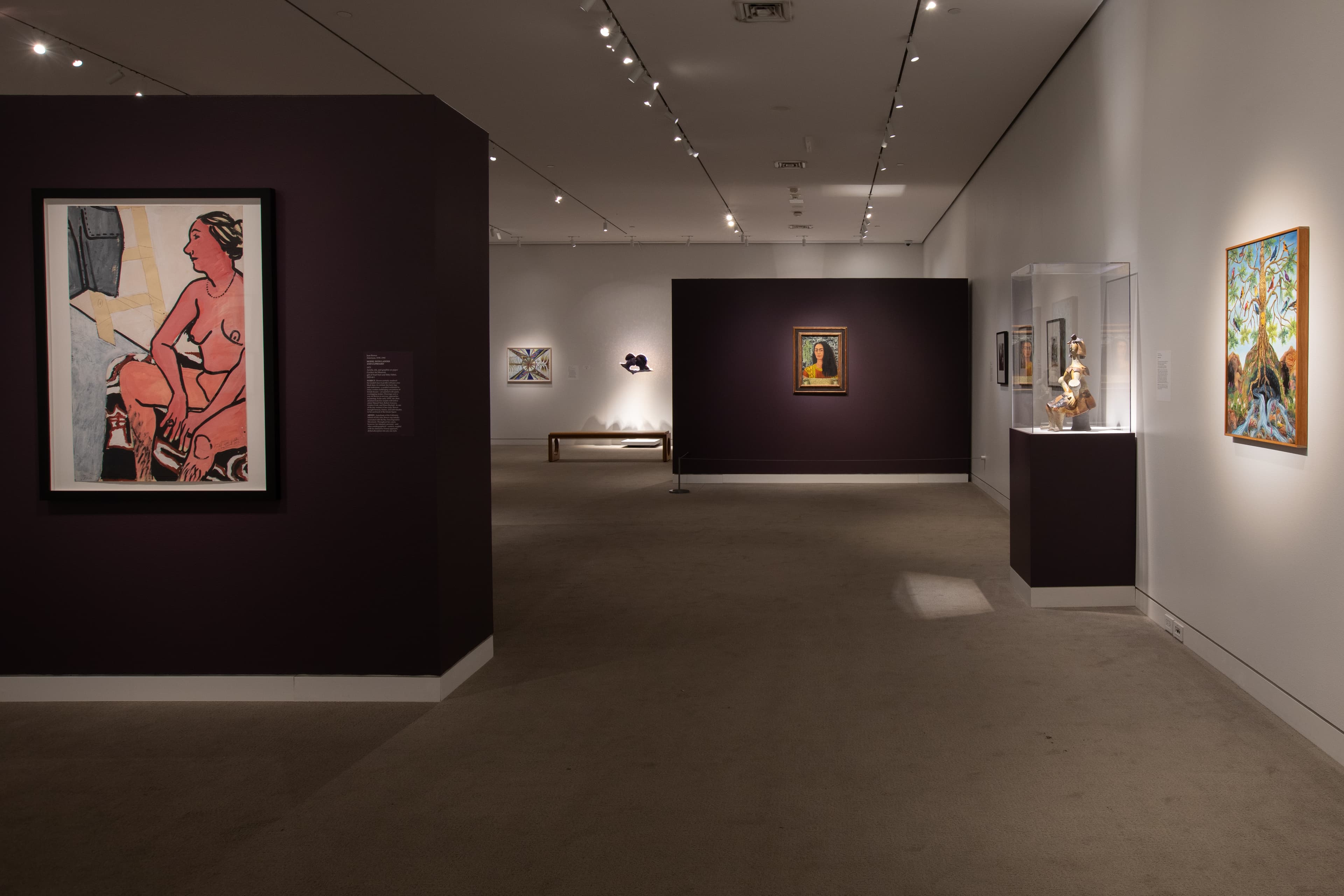
SARA MORRIS: Hi Francesca. It feels like this exhibition has been a long time in the making—shaped by so many small observations and conversations between us and the other curators at the Crocker. From the beginning, we knew we wanted to involve as many members of the curatorial department as possible and make sure junior staff had real opportunities to grow. We also wished to create space in the museum to highlight women artists and showcase some of the new acquisitions we’re especially excited about. From your perspective, how did collaboration and dialogue come to play such a central role in shaping the checklist and, to some extent, become a focus of the exhibition?
FRANCESCA WILMOTT: Exactly, collaboration and exchange are fundamental to what this show is all about. They inform everything, going back to our nearly two years of conversations to the surprising dialogues between the artworks on view. I remember we started the planning process by pulling a list of women-identifying artists from the Museum’s vast collection, then consulted the expertise of our colleagues—Agustín Arteaga, Scott Shields, Sarah Farkas, Amelia Chau, Caitlin Schwarz, Delaney Bird, and Casey Bird—as we shaped the checklist.
With all of this amazing percolation of ideas, the checklist exceeded 150 artworks at one point! From there, we had to make some tough decisions and literally got out the dry erase board and began thinking about themes that were naturally emerging across the artworks. It was also important to us to make sure that we were presenting an inclusive history.
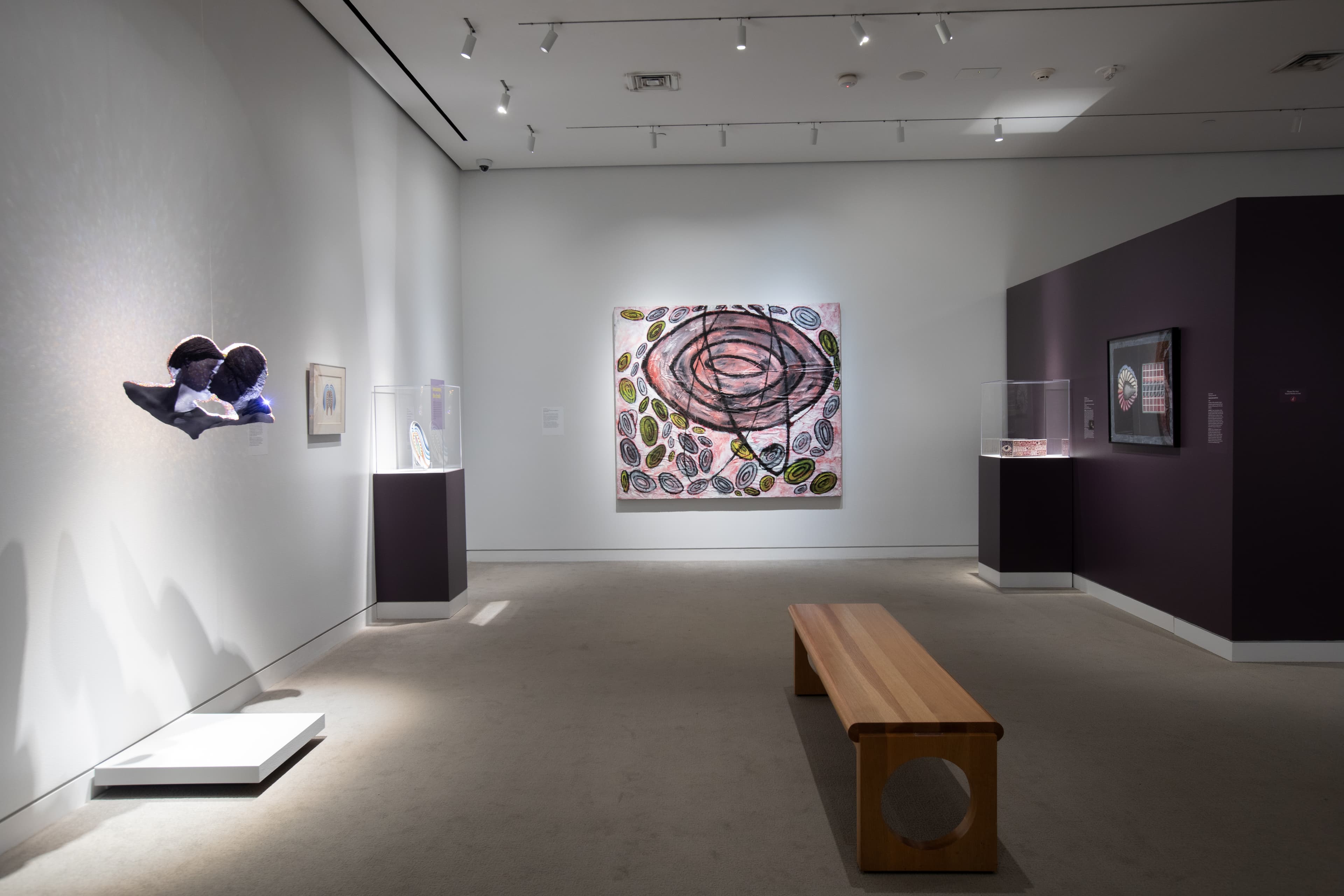
SM: Yes, we were committed to presenting an inclusive range of works from across many areas of the collection—thoughtfully considering different media, time periods, and geographic regions, as well as artists’ identities, backgrounds, and the many different paths they’ve taken in their artistic training.
FW: Finally, we plugged images of the artworks into our digital SketchUp model to do a “fit test.” This allowed us to determine how many works would actually fit and how they would physically relate to one another, the themes, and the architecture of the galleries. Of course, all of this planning can only take you so far, and it was not until we were actually on the gallery floor with the artwork that certain decisions became clear. Sara, what was your favorite part of the planning process?
SM: Some of my fondest memories were visits to the museum’s storage. Seeing artworks in person is always different from looking at them on a screen; you notice details, textures, and colors that just don’t come through in an image. When we’re doing this kind of collection research, it often feels like detective work. We start by asking basic but important questions about each piece: who made it, when it was created, and sometimes why. We’re also trying to figure out how the museum acquired it and where it came from. As we each gathered information, I remember how we would come together to share the backstories of artworks that so clearly showcased the influence and leadership of women artists and arts organization leaders.
I was especially moved by the story behind Viola Frey’s ceramic sculpture Crocker Series II (1979). The piece is a large plate that features the artist’s profile alongside a hand holding a paintbrush. It’s part of a series, all bearing the “Crocker” name, yet each plate is completely unique—subtle shifts in glaze, color, and composition ensure that no two are exactly alike. I was surprised to learn that Frey created the piece for a fundraiser organized by the Creative Arts League of Sacramento (CALS), an effort to support her 1981 retrospective at the Crocker. Suddenly, the title of Frey’s work—and others in the Crocker Series—made perfect sense!
FW: Yes, CALS’s involvement is really important—could you tell me a bit more about their history and how they’ve worked with the Crocker?
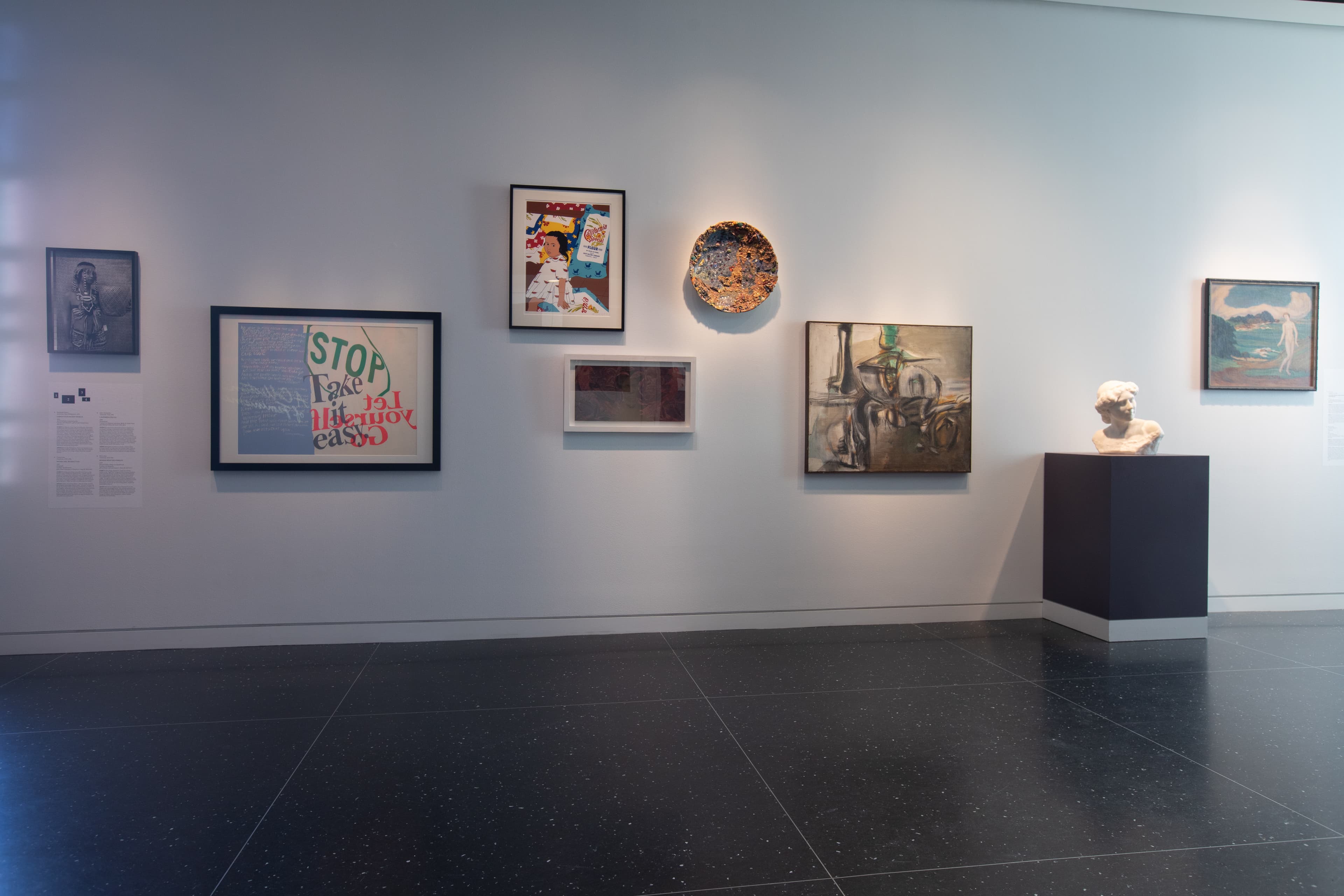
SM: Absolutely! The CALS was founded in 1952 by ten women and was established to give local artists a public platform at a time when there were no private galleries in the region. Together, they organized exhibitions at the Crocker, throughout Sacramento, and later launched the California Crafts exhibition series—expanding opportunities for studio crafts people across the state.
At first, I was a bit shocked that Frey created this series to fund her own retrospective. But in a conversation with a former CALS member, it was mentioned that artist Ruth Rippon had done something similar, producing a series of fifteen plates to raise funds for her 1971 retrospective at the Crocker, also organized by CALS. Frey and Rippon, like many women artists before them, have had to navigate a long history of creating art without mainstream gallery backing, often raising their own funds to bring their projects and catalogues to life.
There’s something poetic about the fact that Crocker Series II is now part of the Crocker’s permanent collection. It was first purchased by Rippon and later gifted to the Museum. Its story shed light on how Rippon, a member of CALS, played a major role in organizing that exhibition and many others at the Crocker.
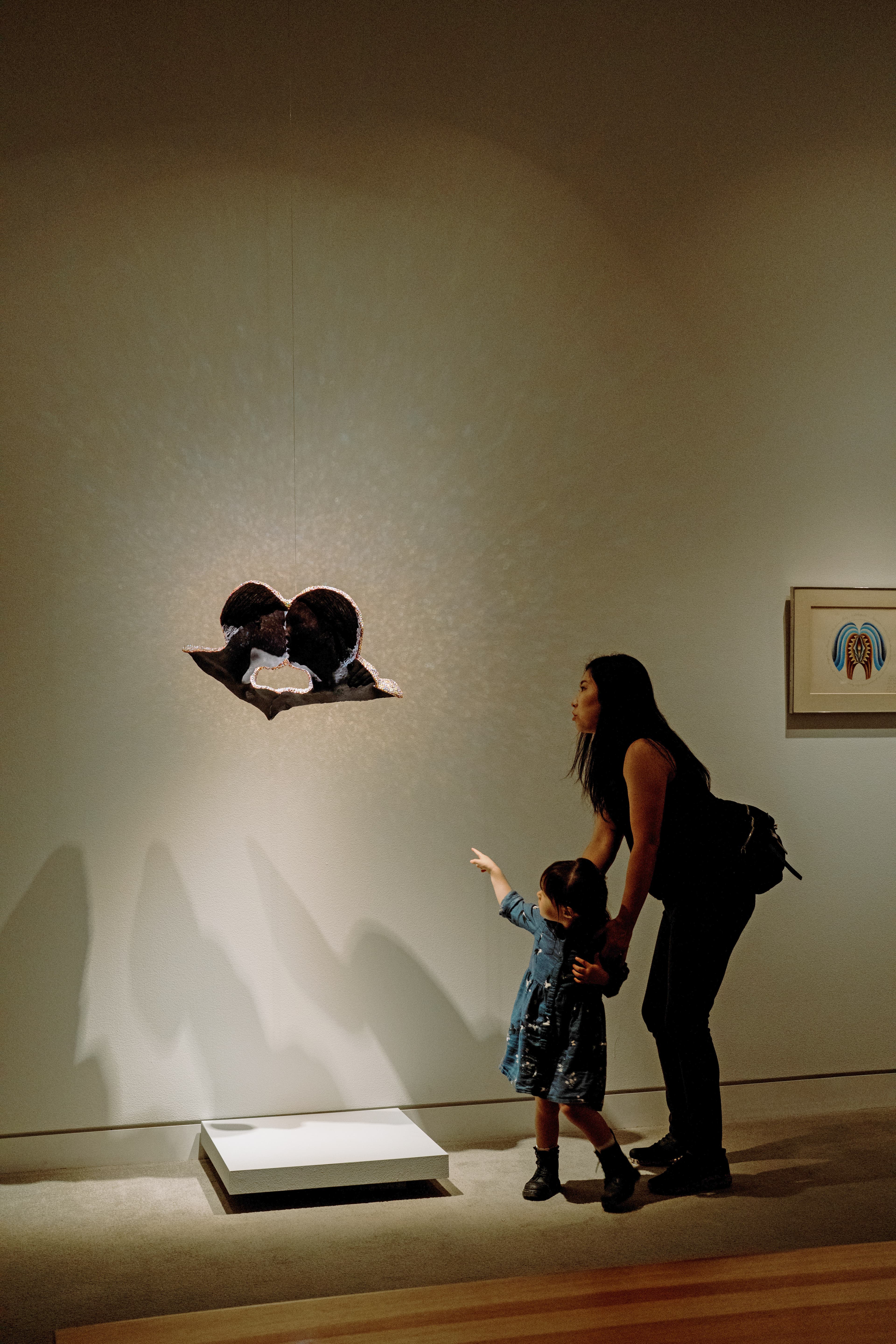
The story behind Frey’s Crocker Series II is just one of many moments in the exhibition where we were able to highlight a story of women supporting women. The plate represents a bridge between the artist, her community, and the institution that celebrated her work. Looking back, it’s meaningful to see how the Crocker has consistently demonstrated a long-term commitment to exhibiting and collecting work by women.
Francesca, I’m curious if there were any stories that stood out to you? When you look at some of the museum’s recent acquisitions, how do you see them building on this legacy while also taking the collection in new directions?
FW: A great example of what you’re describing is the Crocker’s recent acquisition of Koo Kyung Sook’s work, made possible through the support of the Kingsley Initiative. The Kingsley Art Club was founded in 1892 by a group of women who were passionate about art. Reflecting on that legacy, Koo shared with us: “As a Korean artist … I have always felt like a stranger even though I have lived here for over 13 years. It is amazing to me that the Kingsley Art Club was organized by 15 Sacramento women 132 years ago. It is wonderful to have this connection with those women.” Fast forward over a century and the Kingsley Art Club remains a vital force, helping support several major acquisitions by both women and artists of color, including Jessica Wimbley, Fidencio Fifield-Perez, as well as Koo Kyung Sook.
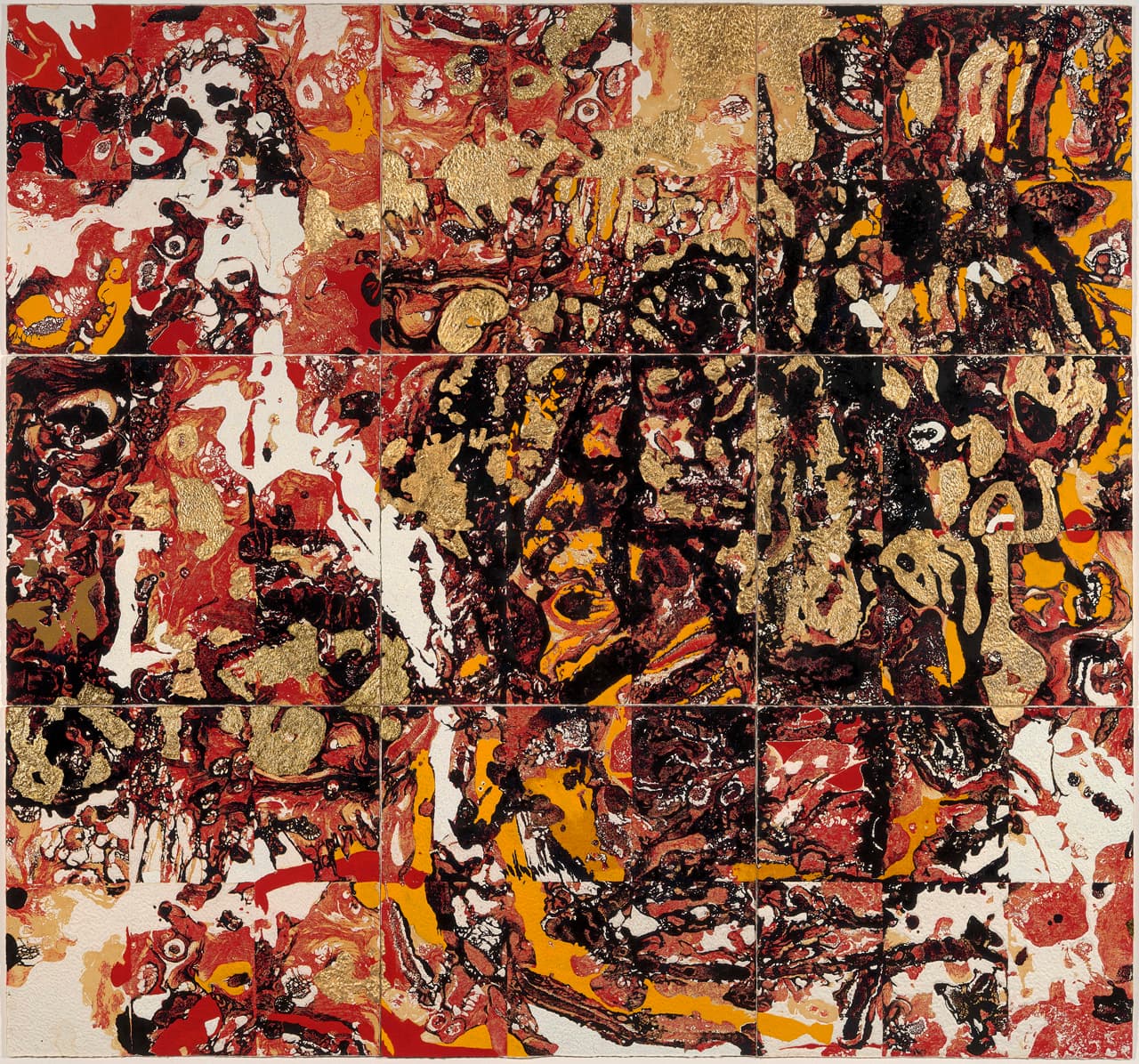
SM: Can you share more about Koo Kyung Sook’s piece and its placement in the show?
FW: Markings 23-3 (2023) occupies a central sightline in Making Moves, entering into dialogue with numerous works by artists including Annabeth Rosen, Robin Hill, Claire Tabouret, Faith Ringgold, Nancy Genn, Lezley Saar, and Nancy Youdelman. From one spot in the gallery, you can see both Markings 23-3 and a case of photographs dedicated to the Crocker daughters, connecting the past with the present. As an anchor, Koo's work extends themes that run throughout the installation, including memory, care, process, and labor. Indeed, every gesture in her large, mixed-media print is a record of her labor. To make her large woodcut print, Koo poured shellac over water to create swirling forms, traced them onto fiberboard, and then carved and printed the surface. Koo used her entire body to produce Markings 23-3, creating a work that is at once formally rigorous while also personal, abstract, and tender.
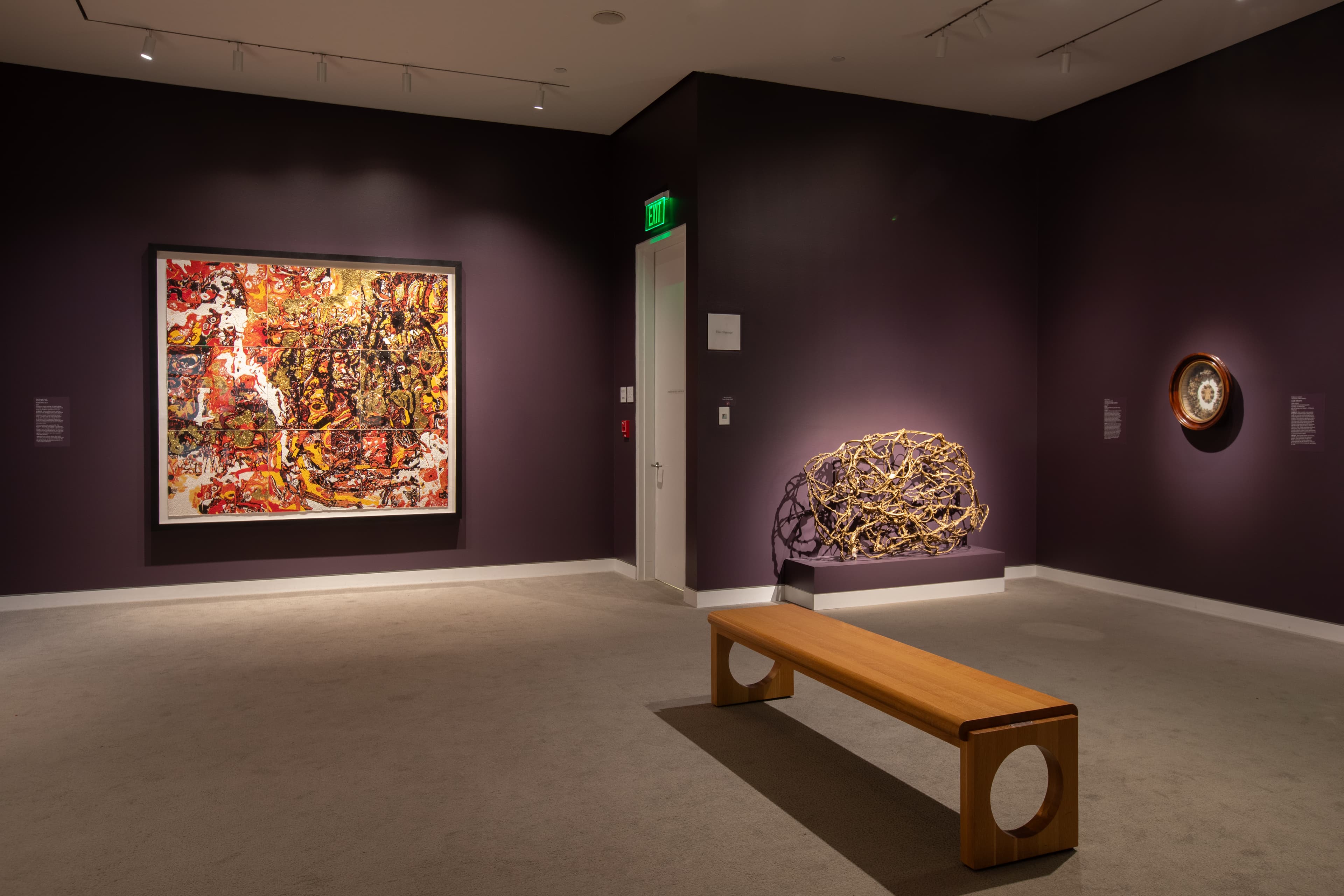
This brings us back to where we first began and the many forms of “making” embedded in our exhibition title. To conclude our chat today, perhaps you could share more about how we arrived at the title Making Moves: A Collection of Feminisms and how it speaks to our curatorial approach?
SM: I absolutely love the main title of this exhibition, Making Moves. It has a playful alliteration and double meaning. On one hand, it reflects how the Crocker’s permanent collection has evolved over the decades, actively making moves to include more women-identifying artists. On the other hand, Making Moves speaks to the power of art itself—its ability to move and inspire people.
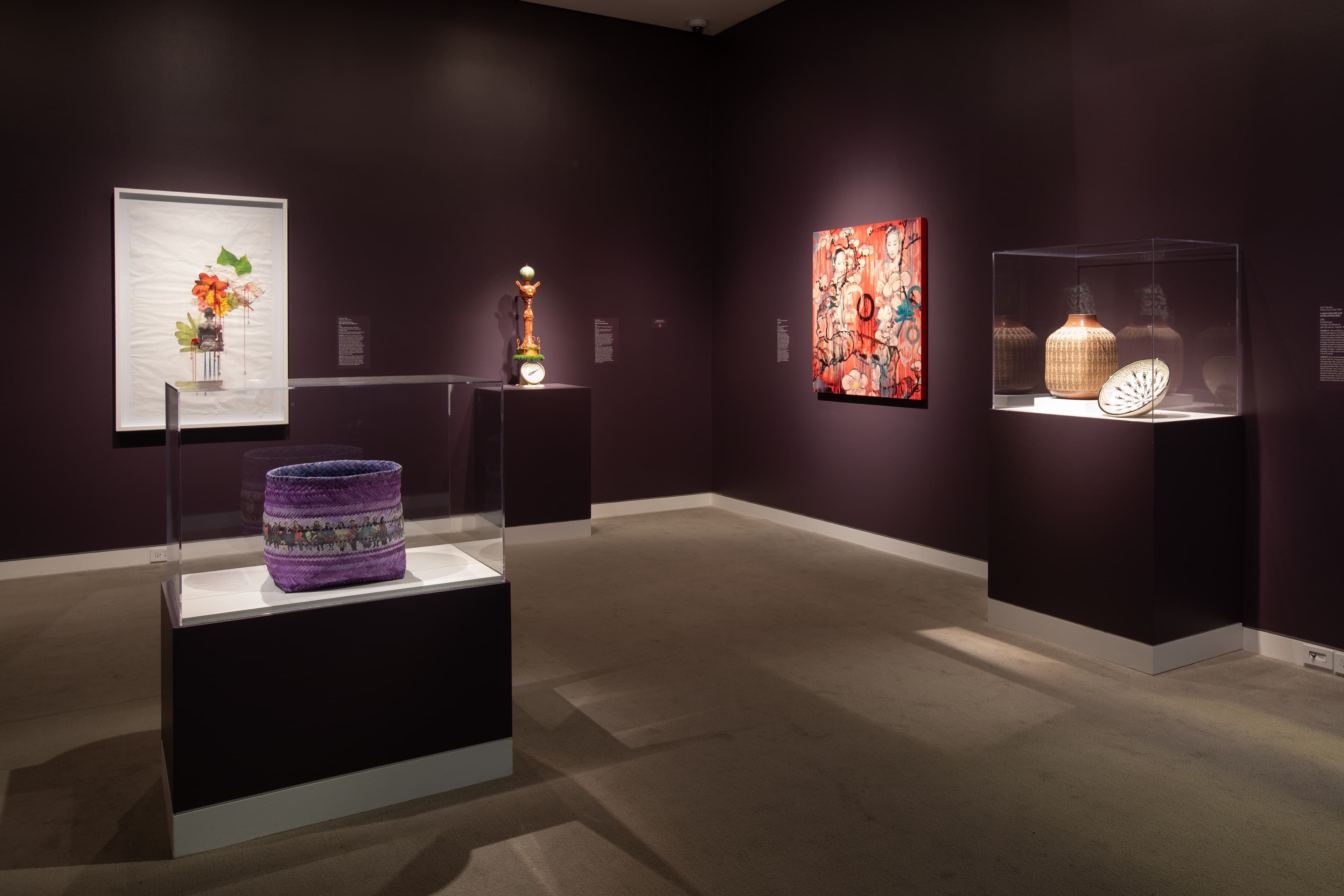
The subtitle of the exhibition highlights the ways in which the show draws primarily from the permanent collection and speaks to collectivity as a curatorial ethos. Our goal was to work together to share stories about how feminist thinking over the decades has informed modern and contemporary art and creative practices. At the same time, we wanted to use feminism as a lens through which to view some of the more historic works in the collection.
Our goal was to bring the collection to life in new ways, highlighting its history, different perspectives, and sharing stories that are both moving and inspiring.
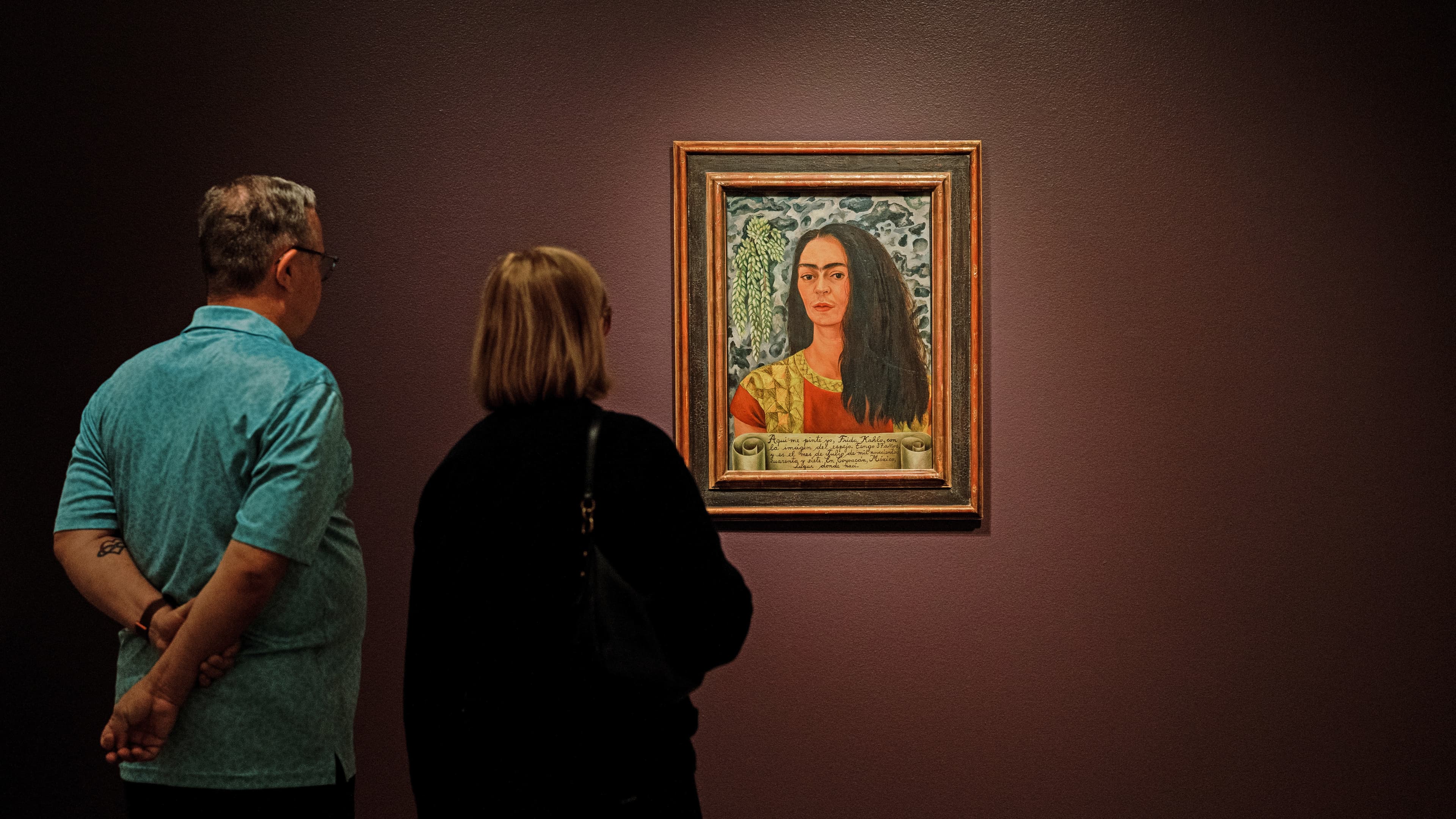
Making Moves features artwork by: JOJO ABOT, Jane Ingram Allen, Amanda Austin, Ruth Bernhard, Lynn Beldner, Lola Álvarez Bravo, Layo Bright, Joan Brown, Nancy Buchanan, Mary Cassatt, Widline Cadet, Judy Chartrand, Andrea Chung, Judy Chicago, Judy Dater, George Daniels Morse, Dora De Larios, Nicole Eisenman, Maya Fuji, Viola Frey, Nancy Genn, Shan Goshorn, Jay Lynn Gomez, Raven Halfmoon, Ester Hernandez, Robin Hill, Frida Kahlo, Angelica Kauffman, Corita Kent, Koo Kyung Sook, Young Joon Kwak, Deana Lawson, Liza Lou, Hung Liu, Zoe Longfield, Joan Moment, Paige Jiyoung Moon, Michelle Magdalena, Jody Naranjo, Paula Nicho Cúmez, Catherine Opie, Emmy Lou Packard, Wendy Red Star, Diego Rivera, Faith Ringgold, Annabeth Rosen, Roz Ritter, Ruth Rippon, Judith Schaechter, Jacob Schloss, T.B. Sherriff, Esther Shimazu, Stephanie Syjuco, Betye Saar, Lezley Saar, M. Louise Stanley, Claire Tabouret, Joan Tanner, J.A. Todd, Rupy C. Tut, Laura Van Duren, Kukuli Velarde, Lina Iris Viktor, Adele Watson, Faith Wilding, Samantha Yun Wall, Carrie Mae Weems, Maryam Yousif, and Nancy Youdelman.